By Andrew Kariuki
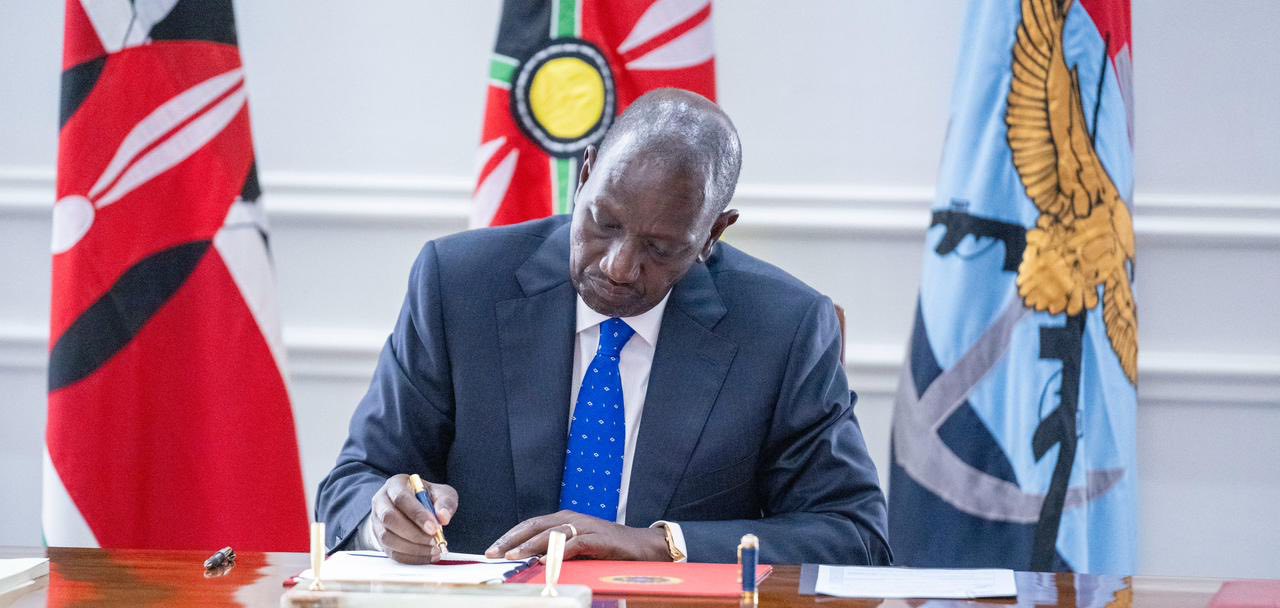
President William Ruto has approved a supplementary budget allocating Ksh24.2 billion to address teachers’ salary shortfalls and medical cover, in a move aimed at easing long-standing financial concerns in the education sector.
The funds, approved on April 8, 2026, will be channelled through the Teachers Service Commission (TSC) to cover salary gaps and improve access to healthcare for teachers.
In addition, the government has set aside Ksh3 billion to settle pending medical bills for teachers, addressing concerns that have been raised by unions over delays in healthcare support and benefits.
The supplementary budget also includes allocations targeting higher education. A total of Ksh4.1 billion has been directed to the Higher Education Loans Board (HELB), bringing its total funding to Ksh45.6 billion to support university and college students.
To address industrial unrest in universities, Ksh3.88 billion has been allocated to clear salary arrears dating back to the 2017–2021 Collective Bargaining Agreement (CBA).
Further funding includes Ksh6 billion for higher education institutions, including Moi University and Kabarak University, as well as Ksh1.5 billion for the University Funding Board to support institutional stability.
In the health sector, the government approved Ksh4.7 billion through the State Department for Medical Services. Of this, Ksh4 billion has been allocated to clear pending bills under the defunct National Hospital Insurance Fund (NHIF).
Additional allocations include Ksh654 million for upgrading level four hospitals and Ksh5.4 billion for the internship doctors’ programme.
President Ruto also approved Ksh2.5 billion for Moi Teaching and Referral Hospital and Ksh2.6 billion for vaccine programmes.
Under governance and security, Ksh3.9 billion has been allocated for security operations, including Ksh2 billion earmarked for compensation of victims of demonstrations.
The supplementary budget is expected to address critical funding gaps across key sectors, particularly education and health, while also responding to growing concerns over public service delivery and welfare.