By Andrew Kariuki
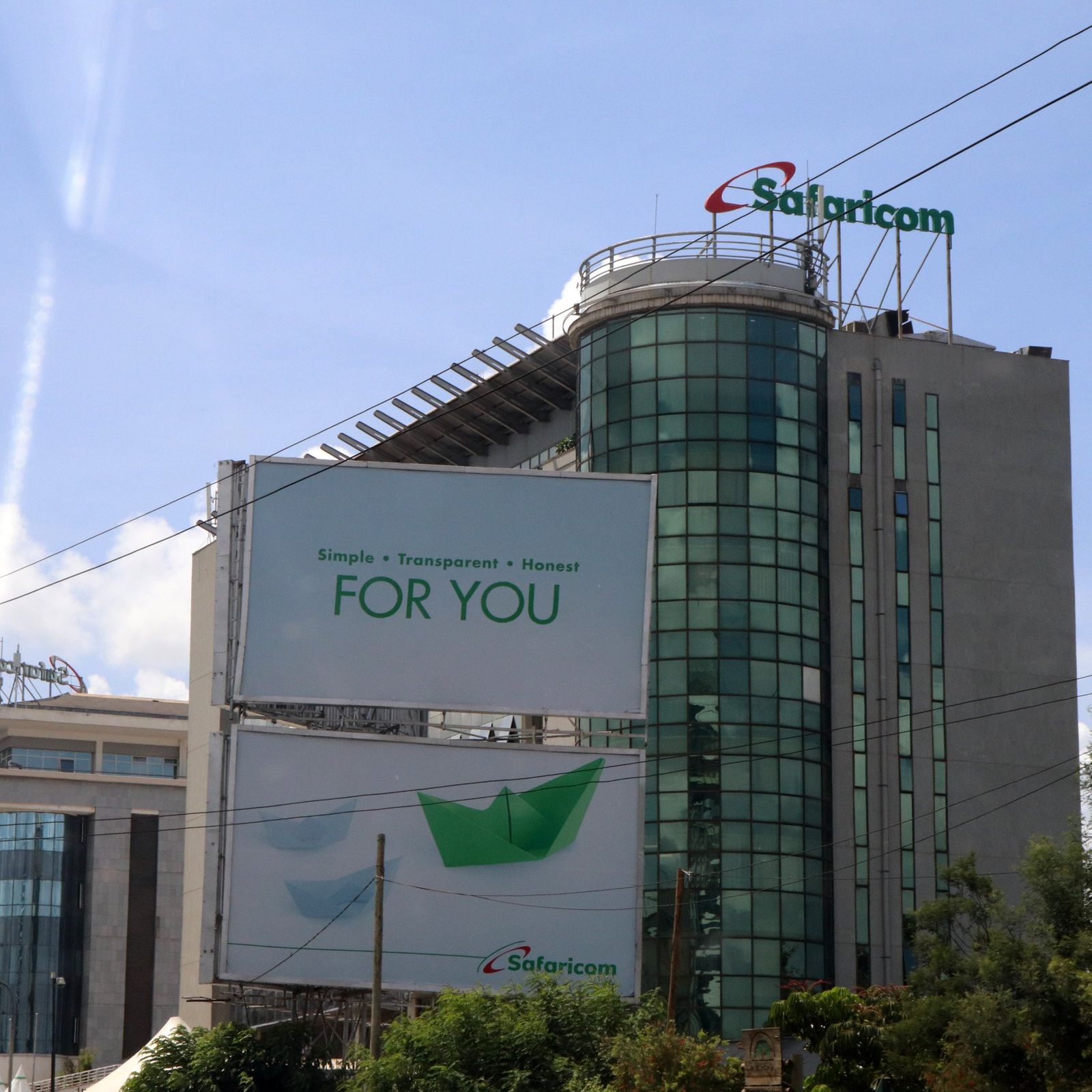
Safaricom PLC is facing a multi-billion shilling legal battle after the M-Teen innovator accused the telecommunications giant of allegedly reproducing and commercially rolling out his mobile wallet concept without authorization.
Court documents filed before the High Court Commercial and Tax Division show that Peter Nthei Muoki and Beluga Limited sued Safaricom over what they described as the unlawful use of the “M-TEEN MOBILE WALLET USSD CODE,” a product allegedly designed to help parents monitor and regulate spending by minors through M-PESA-linked accounts.
According to the pleadings, the innovation was allegedly developed in October 2020 before being presented to Safaricom officials during meetings seeking integration into the M-PESA ecosystem.
The plaintiffs claim Safaricom later rolled out a strikingly similar service under the names “Manage Child Account” and later “Manage Junior Account” through the *334# platform.
In the amended plaint, the petitioners argue that Safaricom’s system bore an “uncanny resemblance and functionality” to the copyrighted innovation earlier shared with the company.
The suit further accuses Safaricom of “copyright infringement, unlawful reproduction and commercial exploitation” of the concept without consent, compensation or acknowledgment of the original innovator.
Court filings indicate the plaintiffs are seeking approximately Ksh 1.7 billion in damages, royalties, declarations of infringement and injunctive orders restraining further rollout of the disputed functionality.
The documents state that the innovation targeted users between “13 and 24 years” and was specifically structured as a parental financial control and monitoring solution.
Huawei Technologies Kenya was also listed as an interested party in the proceedings.
Safaricom, however, strongly denied the allegations in its amended defence filed through Kaplan & Stratton Advocates.
The telecommunications giant argued that the parent-child account functionality had already been independently conceptualized internally following proposals from Huawei Technologies in 2020.
Safaricom further maintained that “copyright does not protect ideas, concepts, systems or functionality,” but only protects the literary expression of a work.
In its defence, the company also argued that similar parent-child banking and spending-control systems already exist globally and therefore the plaintiff could not claim monopoly ownership over the concept.
The telco additionally denied allegations that correspondence exchanged between the parties amounted to any admission of wrongdoing or acknowledgment of liability.
The matter remains before the High Court for determination.