By Bonface Mulyungi
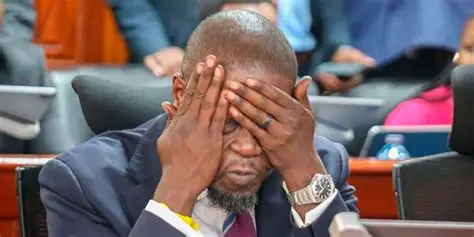
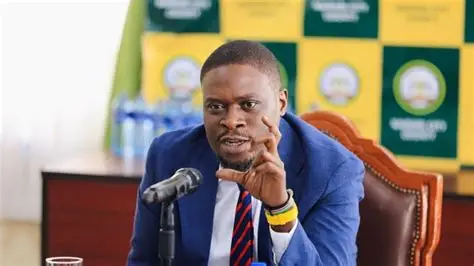
Nairobi Governor Sakaja Johnson has pushed back against a move by the Inspector General of Police to deploy officers for his arrest, terming the action “unwarranted and unnecessary” and insisting the matter is institutional, not personal.
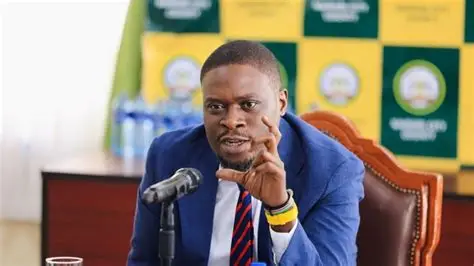
In a strongly worded statement released on Monday, the governor said the arrest order, arising from his failure to appear before a Senate watchdog committee, ignores an ongoing standoff between the Council of Governors and the Senate of Kenya.
“The issue at hand is not a personal matter concerning Governor Sakaja Johnson but one that is being handled collectively by the Council of Governors,” the statement read.
Sakaja defended his absence, saying he was acting on guidance from the Council of Governors, which advised members not to appear before the specific Senate committee until broader concerns are resolved.
He argued that disputes between governors and senators “should be addressed institutionally, not through actions targeting an individual governor.”
On Monday night, police were actively searching for Nairobi Governor following an arrest order issued by the Senate watchdog committee for contempt of Parliament.
Regional Police Commander Issa Mohamud confirmed on Monday that law enforcement officers are prepared to enforce the order and take the governor to the Senate.
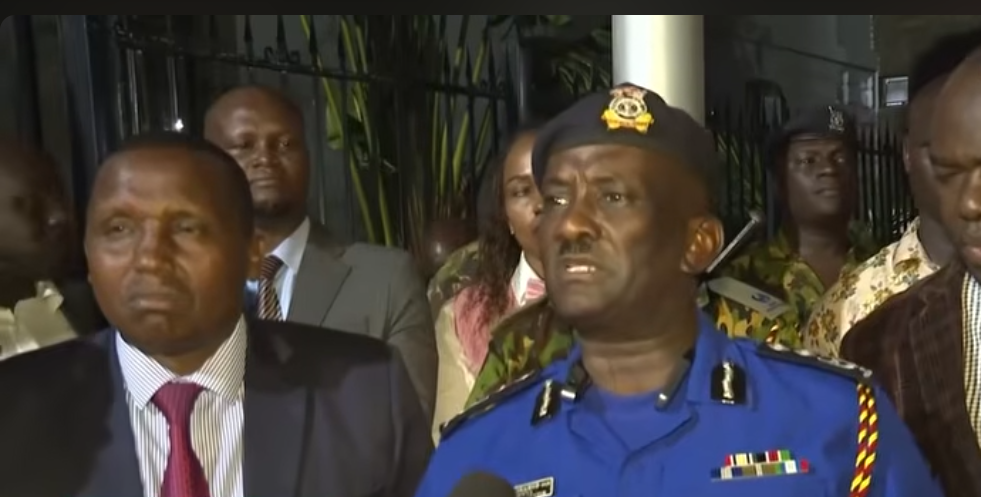
A contingent of police had gathered outside Sakaja’s office, with the regional commander saying that they got intel he would be around after failing to find him during the day.
“His chief of staff was contacted and informed that the only honourable thing he [Governor Sakaja] could do was to go to the Senate, but he has failed to present himself. We will look for him and do the needful. It is the dignity of the office that he presents himself,” Commander Mohamud said.
“There is no need for any further impunity. We need him to comply and present himself before we get him. As law enforcement officers, it is our duty to take him before the Senate, and that we shall do without fear or favour.”
“We have been looking for him, and we never got him, but we received information that he might be around. That is why we are here this evening. The work is not finished because we have not taken him to the Senate, but that we will do. We do not tolerate impunity. We have a country to protect.”
The police move comes after the Senate watchdog committee found Governor Sakaja in contempt for failing to appear before it.
At the same time, Sakaja noted that he has appeared before multiple Senate committees, including the Lands and Environment Committee as recently as last week, and has frequently engaged the County Public Accounts Committee (CPAC) on audit issues dating back to 2015.
“It is therefore misleading to single out one governor in a matter that is collective and consultative in nature,” he said.
The governor also criticised the manner in which police were deployed, questioning the timing and necessity of the operation.
“There is no justification for creating unnecessary drama or a show of force at night,” the statement said, adding that he had been in office throughout the day and remained accessible through official channels.
Sakaja further revealed that the standoff extends beyond Nairobi, disclosing that 29 governors had been summoned by the same Senate committee on the same day, with only two appearing—and even then declining to address substantive matters in line with the Council’s position.
The dispute, he said, stems from unresolved issues raised by governors against members of the CPAC committee, including allegations of “extortion and intimidation.”
Despite the escalating tension, Sakaja signaled willingness to engage once the institutional disagreements are resolved.
“The Nairobi Governor has always honoured invitations to appear before Senate committees and remains committed to doing so within the confines of the law,” the statement concluded.
He called for restraint and dialogue, urging both the Senate and the Council of Governors to resolve the impasse “amicably, respectfully, and through structured dialogue,” rather than escalating enforcement actions.