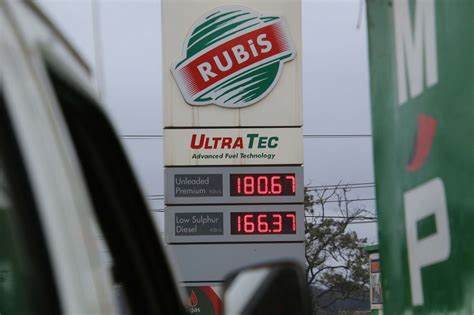
The partial withdrawal of fuel subsidies, which drove diesel and petrol prices to historic highs, is expected to save the Treasury Sh9.49 billion.
The energy regulator removed the petrol subsidy a day after the new President, William Ruto, said subsidies were unsustainable, potentially adding to inflationary pressures.
For the first time in a year, it eliminated a Sh20.5-per-litre subsidy on petrol and cut reliefs on kerosene and diesel in half, to Sh26.25 and Sh20.82, respectively.
As the new administration works to withdraw State-backed discounts on petroleum products, the burden of the subsidy has been reduced from Sh14.5 billion to Sh5 billion.
Dr. Ruto stated in a speech following his inauguration on Tuesday that subsidies were costly and prone to abuse, including the creation of artificial shortages of the very products being subsidized.
The Energy and Petroleum Regulatory Authority set new, higher fuel prices for gasoline, diesel, and kerosene, which is commonly used for cooking in many poor households, late on Wednesday.
Petrol rose 13% to Sh179.30 in Nairobi, diesel 18% to Sh165, and kerosene 16% to Sh147.94 from a month ago.
While Kenya collects Sh5.40 per litre for the subsidy fund from motorists, the sharp rise in crude oil prices has forced the government to raise taxes to quell public outrage over the high cost of living.
The World Bank says the monthly expenditure on the program, which began in April of last year, is continuing to harm the budget and planning, and it intends to push for the subsidy to be phased out.
The International Monetary Fund (IMF) has imposed a new loan condition requiring Kenya to discontinue its fuel subsidy program by October, exposing motorists to a significant increase in pump prices.
Policymakers also expressed concern that the subsidy measures would deplete the country’s coffers.
In June, the Treasury warned that if fuel prices continued to rise, Kenya would run out of funds to subsidize them, pushing public debt to unsustainable levels.
President Ruto stated that the Treasury has spent Sh144 billion on fuel subsidies, which has helped stabilize pump prices but has failed to keep inflation within the government’s preferred band.
Kenyan inflation has accelerated, as it has in other parts of the world, owing primarily to the spillover effects of a rise in crude oil prices. It was around 5.0 percent at the beginning of 2022.
Energy and transportation costs are heavily weighted in the basket of goods and services used to calculate inflation in the country.
Electricity and manufactured goods producers are also expected to factor in the higher cost of petroleum.
Verisk Maplecroft, a global risk assessment firm, said earlier this month that Kenya, along with Peru, Iran, and Sri Lanka, is facing the threat of civil unrest due to high living costs, emphasizing Dr Ruto’s task ahead.
The new President will have to deal with a spike in food and fuel prices caused by the Ukraine war, rising unemployment, and a mountain of debt accumulated during former President Uhuru Kenyatta’s ten years in office to finance development.
Policy analysts believe Dr. Ruto has little fiscal room to provide immediate relief.
The decision to discontinue the subsidies will alleviate the marketers’ cash flow problems, which have been exacerbated by delays in receiving compensation, resulting in arrears of nearly Sh50 billion.