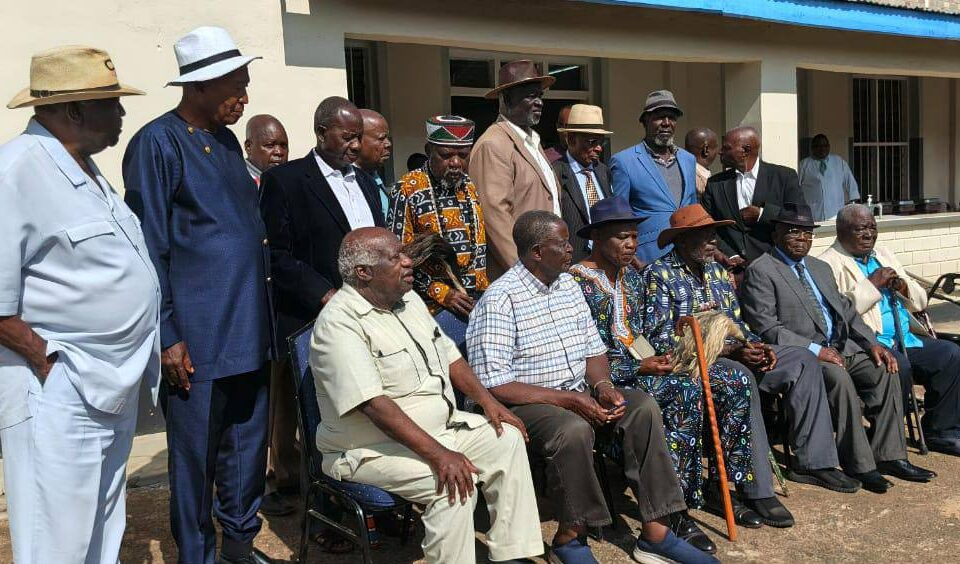
A council of Luo elders has rejected President William Ruto’s plan to establish Kenya’s first nuclear power plant in Siaya County, citing health, environmental, and regional safety risks.
At a press conference on 21 December, the elders said they had unanimously agreed to oppose the project following internal consultations. “In view of the likely implications of the nuclear plant for health and environmental concerns around the entire East African region, the council resolved to reject the nuclear project in totality,” their joint statement read.
They warned that the risks of nuclear energy extend beyond Siaya, potentially affecting neighbouring counties and countries in the Lake Victoria basin. The elders also announced the formation of a special committee to examine the potential consequences should the government proceed.
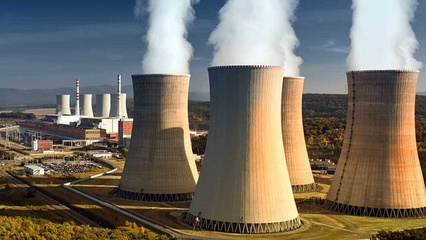
The opposition follows a September 2025 announcement by the Kenya Nuclear Power and Energy Agency (NuPEA) identifying Siaya as the preferred site for the country’s first nuclear facility.
The plant, estimated to cost Sh500 billion, is expected to generate 1,000 megawatts in its initial phase, with plans to scale up production to 20,000 MW by 2040.
NuPEA cited the lake’s capacity to provide the large volumes of water required for reactor cooling, identifying several sites along Lake Victoria, including Lwanda Kotieno, Ugambe, Sirongo, Liunda, Manywanda, Osindo, Nyangoye, Kanyawayaga, and Dagamoyo.
While the project has received support from Energy Cabinet Secretary Opiyo Wandayi and Siaya Governor James Orengo, who highlight employment creation and industrial growth, the elders’ rejection adds to growing resistance. Residents of Kilifi County, initially considered as a potential site, had previously opposed the project over similar safety and environmental concerns.
The nuclear plant is a flagship initiative under President Ruto’s industrialisation agenda. Its rollout in Siaya will now depend on further public consultations, environmental assessments, and the government’s ability to address local and regional concerns before moving forward.