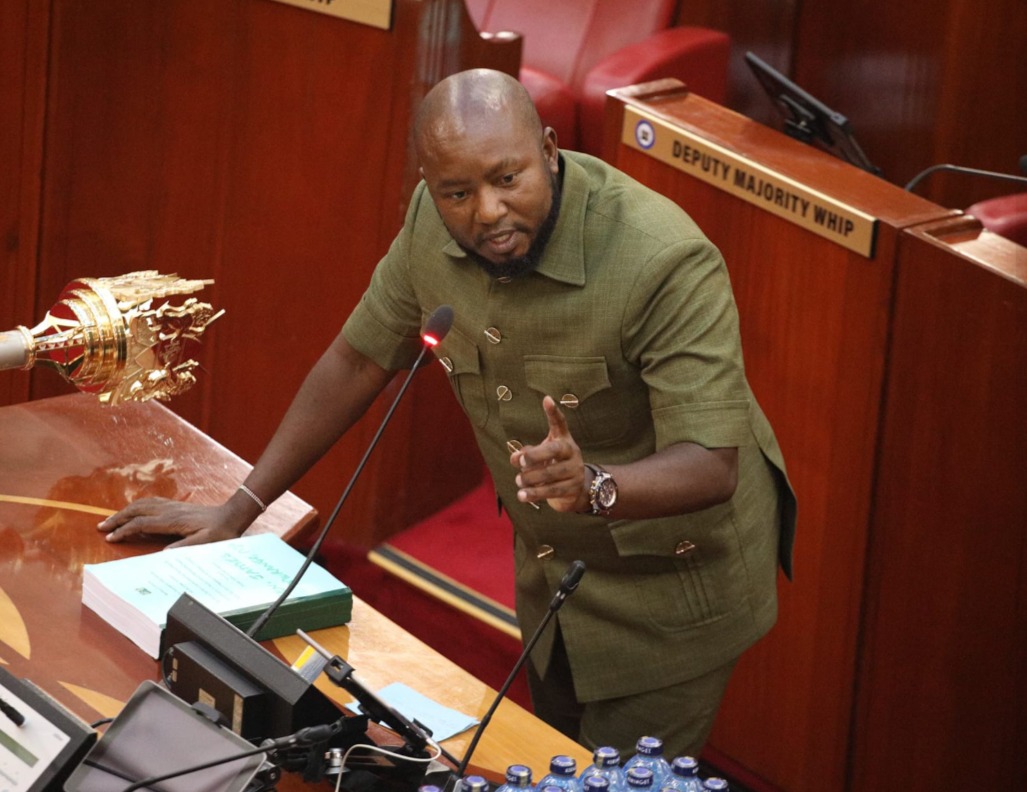
Kirinyaga Senator James Murango has petitioned the Senate to address the long-standing land tenure crisis in the Mwea Settlement Scheme and the systemic delays in soil analysis services provided by the Kenya Agricultural and Livestock Research Organization (KALRO).
Speaking on the floor of the House on Thursday, March 10, 2026, Senator Murango sought two separate statements from the Standing Committees on Land and Agriculture, emphasizing that these two issues were the primary bottlenecks hindering the economic potential of his constituents and Kenyan farmers at large.
The legislator first highlighted the plight of thousands of families in Mwea who have occupied their land since the 1950s but remain without formal ownership documents.
He noted that approximately 8,050 acres across Gathigiriri, Thiba, Tebere, and Wamumu Wards have never undergone formal adjudication, leaving residents in a state of perpetual tenure insecurity.
Senator Murango challenged the government to provide a clear timeline for mapping these villages and issuing title deeds, arguing that the lack of documentation had limited access to credit and public services.
“This has perpetuated insecurity of tenure, hindered planning and development, and limited access to public services and investment,” the Kirinyaga Senator stated during his address.
Turning his attention to the agricultural sector, Senator Murango criticized the current state of soil testing in the country.
He informed the House that many farmers were waiting far too long for results from KALRO, and that when the results finally arrived, they were often too technical for the average farmer to implement.
The legislator called for a decentralized approach and a more simplified reporting system to ensure that smallholder farmers do not waste money on the wrong fertilizers.
The Senator expressed his concern that the status quo had “left most farmers at risk of investing in costly farm inputs without commensurate yields,” and demanded to know what steps were being taken to expand access to these vital services.
By Anthony Solly