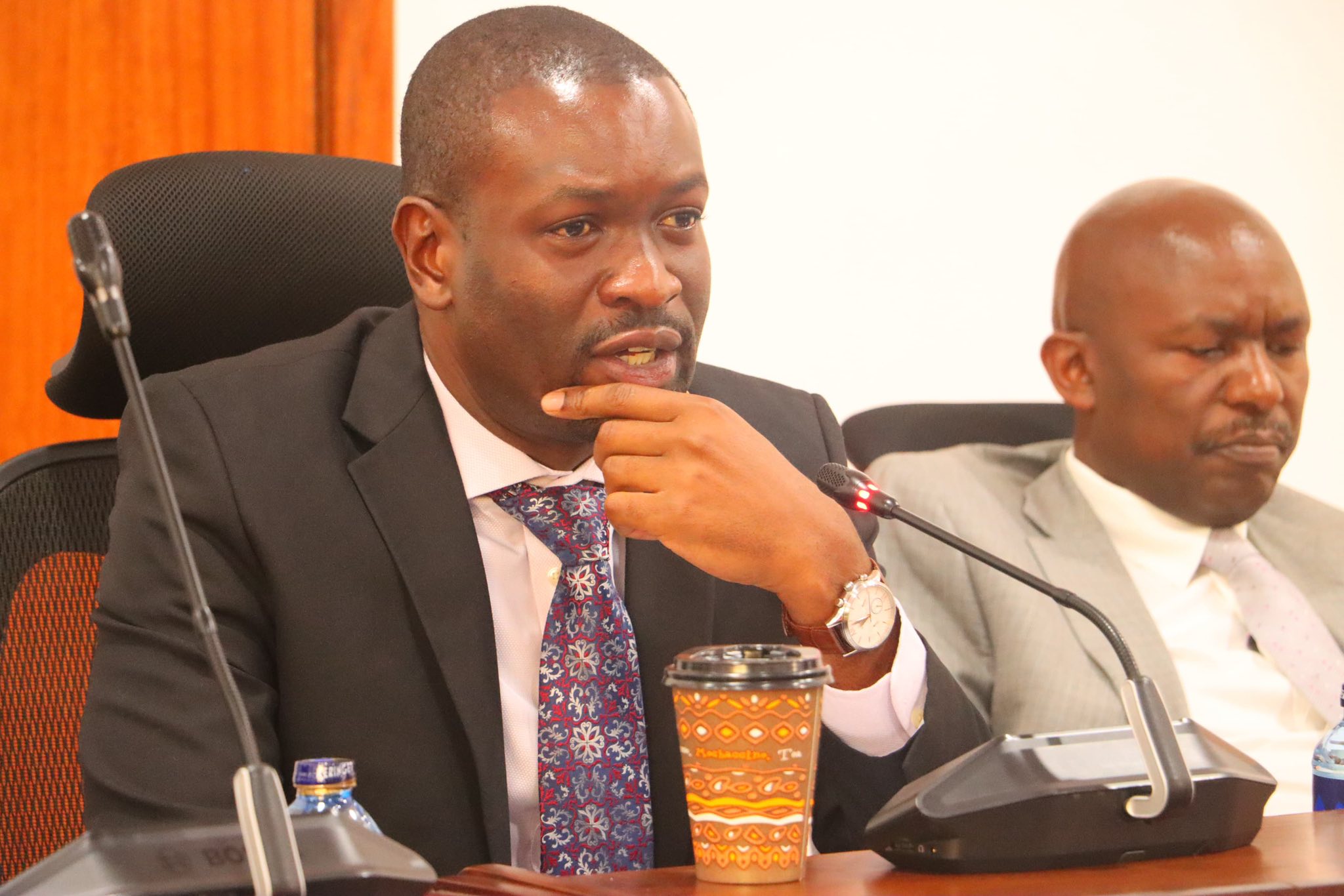
A Senate watchdog committee has fined Nairobi Governor Johnson Sakaja Sh500,000 and ordered his arrest for contempt of Parliament.
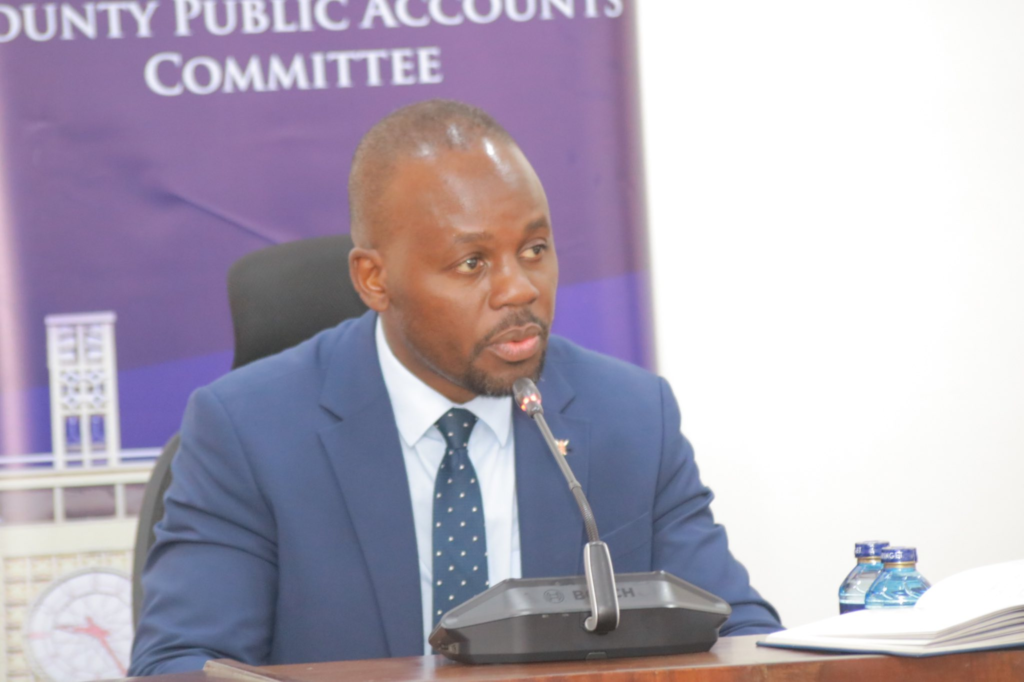
The County Public Accounts Committee directed Inspector General of Police Douglas Kanja to arrest the governor and present him before the committee on Monday, March 30, after finding him guilty of failing to honour multiple summons.
Sakaja had been invited three times to appear before the committee but failed to do so, prompting the issuance of summons. He was expected to explain how billions of shillings allocated to Nairobi City County were spent.
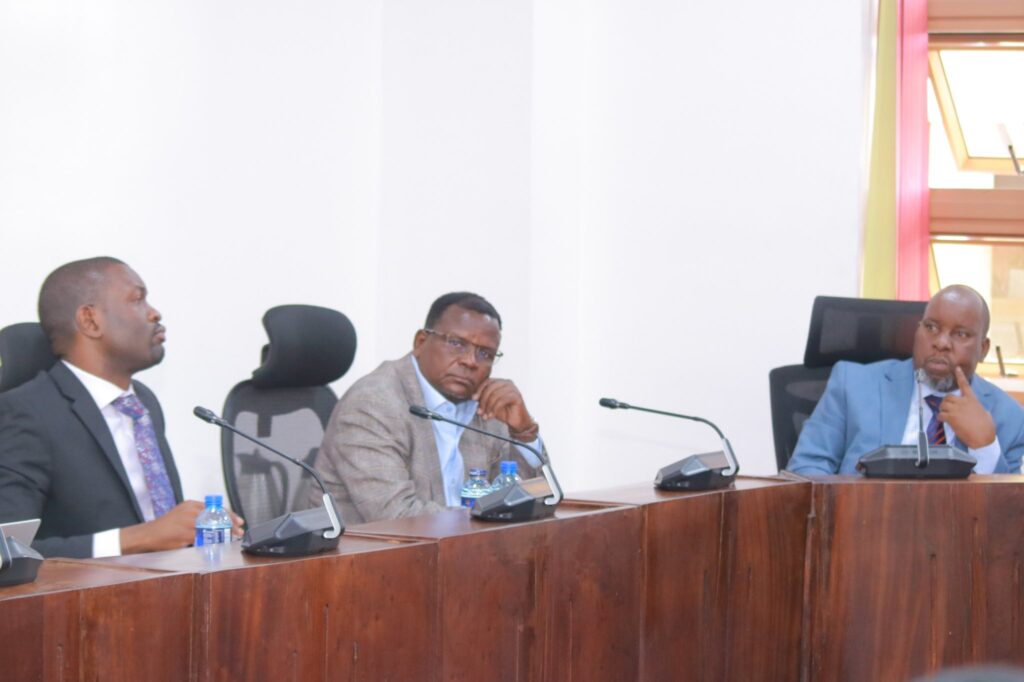
“The IG must arrest and present the Governor before the Committee on Monday, March 30. The time of presenting him shall be communicated,” said Senator Moses Kajwang while delivering the verdict.
The committee is expected to deliberate on whether the governor’s actions amount to gross violation of the Constitution, potentially rendering him unfit to hold public office.
Should the committee find him in serious breach of the law, it will make recommendations to the Senate, whose resolution could significantly impact his political future, especially ahead of the 2027 General Election.
During deliberations, senators criticised the governor’s performance, citing findings from the Auditor General’s report for the 2024/25 financial year.
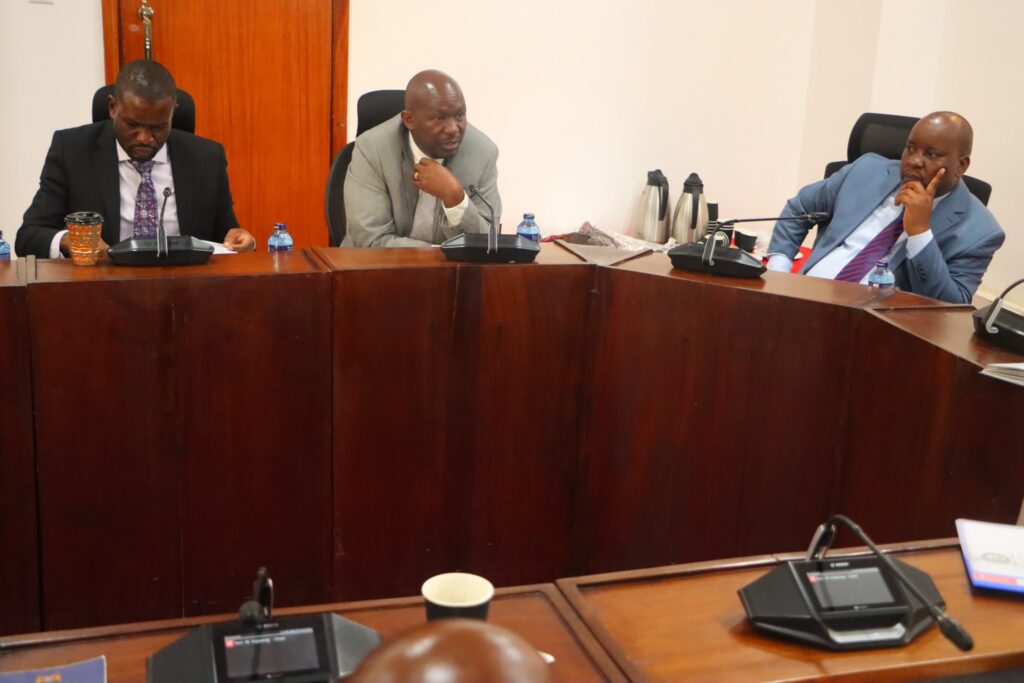
Nairobi Senator Edwin Sifuna urged the Senate to compel the governor to account for county funds.
“The only place I can face the Governor and demand accountability is in this Senate, before this Committee,” he said, noting the lack of alternative forums to engage the county chief.
Sifuna raised concern over alleged misappropriation of funds flagged in the Auditor General’s report. Among the issues cited was Sh840 million recorded as personnel costs, yet no supporting documents—such as beneficiary lists, claim forms, invoices, or approvals—were provided for audit.
The report also highlighted seven withdrawals totalling Sh1.9 billion from the salary account, which lacked supporting payroll summaries, payment vouchers, or approvals, and were not processed through the approved payroll system.
Further concerns were raised over Sh544 million reported as expenditure on fuel, oil, and lubricants. The Auditor General questioned the utilisation of county assets and accountability for fuel usage.
During the period under review, the county engaged private contractors for solid waste collection while also operating 56 garbage trucks, incurring fuel costs of Ksh124.5 million.
However, no records—including trip sheets, fuel consumption logs, or supervisory reports—were provided to confirm the trucks were deployed for waste collection activities.
The report further questioned the utilisation of Sh15.7 billion allocated for solid waste collection, transportation, and disposal, citing weaknesses in procurement processes, contract management, operational controls, and financial oversight.
Additionally, the governor was criticised for appointing seven advisors earning a combined monthly salary of Sh10 million. The committee argued that their roles duplicate those of County Executive Committee Members.
The advisors cover portfolios including Health, Mobility, Political Affairs, Economic Affairs, Urban and Regional Planning, Digital, and Innovation.
“The kind of waste the Auditor General has recorded makes me conclude that there should be a stoppage of funds for Nairobi County,” said Senator Sifuna.
Senator Kajwang supported the position, stating: “All that should have gone wrong in Nairobi County has gone wrong.”
By Anthony Solly