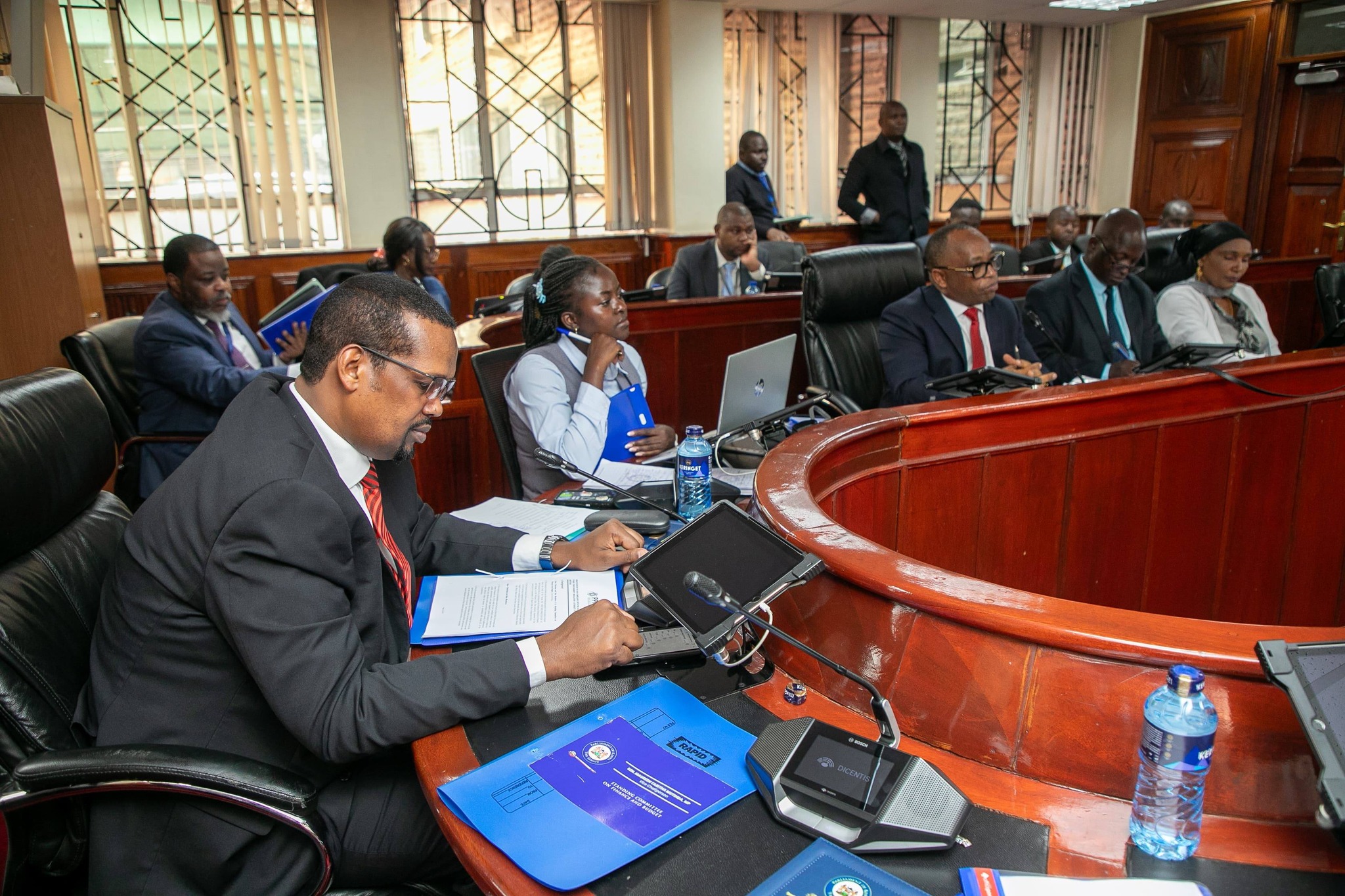
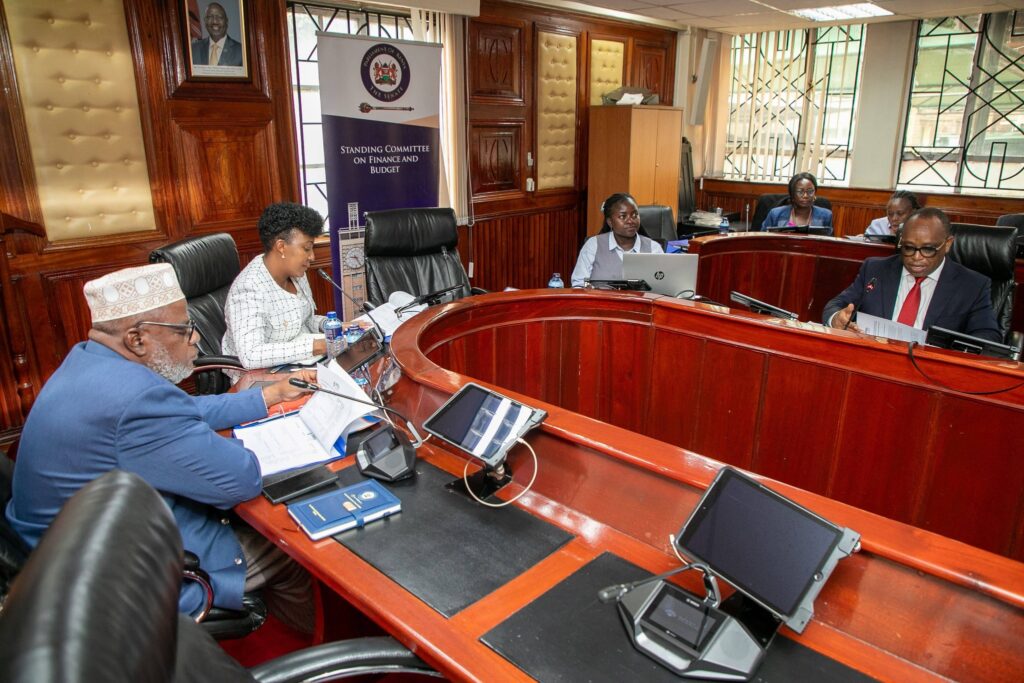
The Senate Standing Committee on Finance and Budget, led by Mandera Senator (Cpt.) Ali Roba, held a consultative meeting with the leadership of the Public Procurement Regulatory Authority (PPRA) earlier today to address persistent non-compliance with procurement laws by several county executives.
During the session, the Committee expressed concern over the lack of transparency in county operations and emphasized its role in compelling local governments to adhere to statutory directives.
Senators underscored the necessity for evidence-based inquiries, requesting that the Authority provide detailed, itemized reports and specific evidence of procurement breaches to ensure the House can hold individual accounting officers accountable rather than relying on generalities.
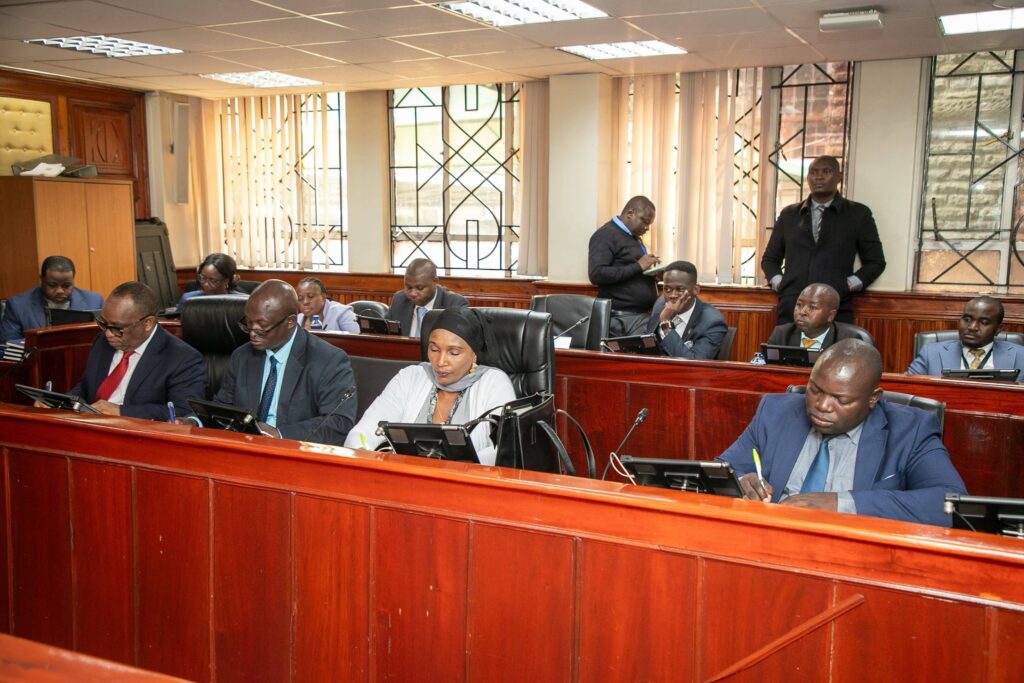
The Public Procurement Regulatory Authority, led by Director General Patrick Wanjuki, briefed the Committee on a pattern of systemic disregard for procurement regulations in counties such as Nairobi, Isiolo, Mandera, and Marsabit.
The Authority highlighted various irregularities, including the failure to use standard tender documents, the application of non-objective evaluation criteria, and a widespread refusal to upload procurement proceedings to the mandatory Public Procurement Information Portal.
Furthermore, the PPRA raised the alarm over the severe socio-economic impact of delayed payments to suppliers, noting that some county leaders have refused to honor obligations for services and goods procured by previous administrations.
While the Authority maintains a mandate to monitor and audit procurement cycles, its leadership admitted to facing challenges with enforcement due to instances of impunity among certain procuring entities.
The PPRA clarified legal standards regarding financial safeguards, noting that advance payments are strictly capped at 20% and must be backed by bank guarantees rather than insurance.
In its concluding remarks, the Authority appealed to the Senate to exercise its oversight and enforcement powers to hold these entities to account, asserting that such intervention is essential to safeguarding taxpayer value and restoring integrity to the public procurement system.
By Anthony Solly