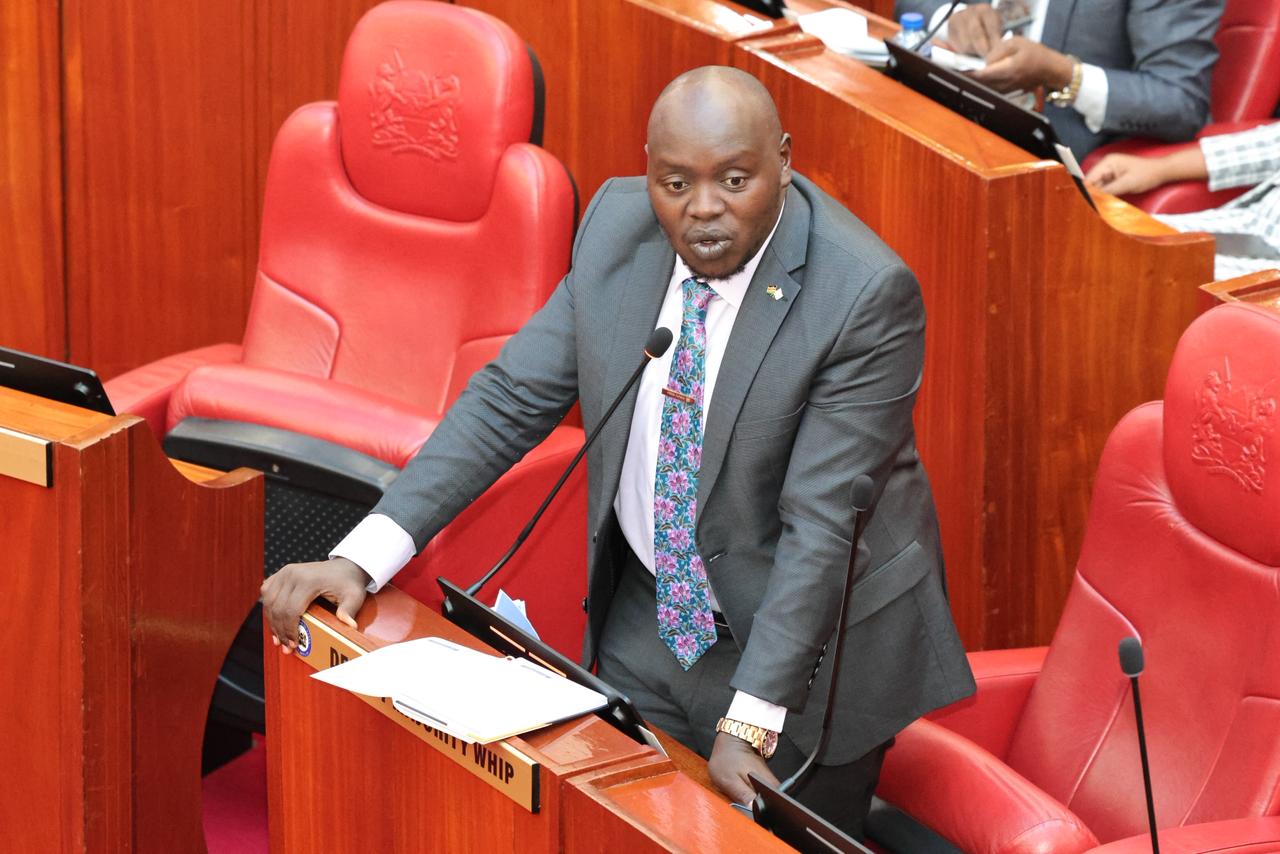
In response to the escalating humanitarian crises affecting Kenyans at home and abroad, Nandi Senator Samson Cherarkey has asked the Standing Committee on National Security, Defence, and Foreign Relations for two critical statements.
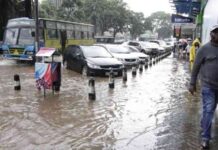
Rising on the floor of the House pursuant to Standing Order 53 (1), the legislator first took aim at the devastating impact of the recent seasonal flooding that has left a trail of destruction across the country.
He noted that while seasonal rains are expected, the current scale of displacement and loss highlights systemic governance failures, particularly in stormwater drainage management and disaster preparedness.
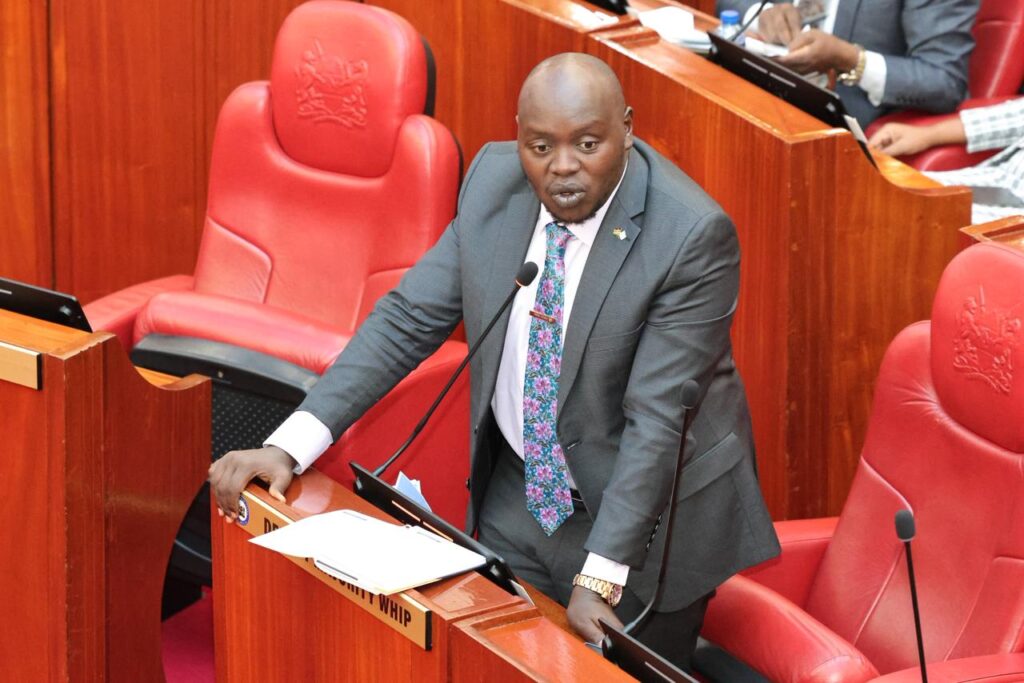
Senator Cherarkey tasked the Security Committee to provide the House with a comprehensive report on the confirmed number of fatalities and injuries, and the estimated value of property lost, since the night of March 6, 2026, which he described as one of the worst floods experienced in the country.
Beyond the immediate statistics, Senator Cherarkey pushed for a clear roadmap on compensation for families who lost loved ones or saw their businesses destroyed.
“What is the current status of the existence and adequacy of a national disaster compensation fund? These circumstances raise urgent questions about the adequacy of relief measures and compensation for affected citizens,” Senator Cherarkey said.
Transitioning from the domestic crisis to the struggles of Kenyans in the diaspora, Senator Cherarkey also moved to address the significant financial and logistical challenges families face when a loved one passes away outside the country.
He observed that many families are currently forced to delay burials, conduct public fundraisers, or even abandon repatriation altogether due to the high costs associated with transporting remains back to Kenya.
To resolve this, the Nandi Senator called on the government to establish a dedicated fund and implement the necessary protocols to ensure financial support for bereaved families unable to meet these costs.
Senator Cherarkey further challenged the Ministry of Foreign and Diaspora Affairs to collaborate with the Ministry of Labour and Social Protection to ensure that Kenyan migrant workers are adequately covered under insurance schemes or employer-supported repatriation arrangements.
This move, he argued, is essential to reduce the financial burden on families in the event of death and to eliminate the need for government financial support.
By Anthony Solly