By Peter John
Senegal’s government has suspended all non-essential foreign travel by ministers and senior officials, warning of “extremely difficult” economic conditions as global oil prices surge due to the ongoing Middle East conflict.
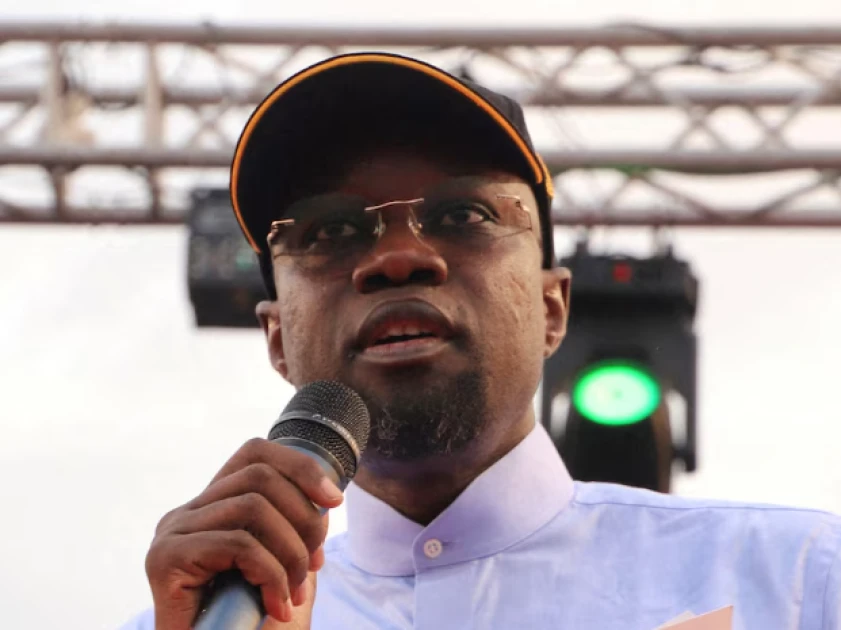
Prime Minister Ousmane Sonko announced the directive while addressing a youth event in the coastal town of Mbour, saying only critical government trips will be allowed going forward.
“No minister in my government will leave the country unless it is for an essential mission,” Sonko said, adding that he had already cancelled planned visits to Niger, Spain and France.
The move comes as oil prices climb sharply, with benchmark Brent crude trading at around $115 per barrel—almost double the $62 per barrel Senegal had projected in its national budget.
The spike has been driven by disruptions in global energy markets following the conflict involving Iran and the effective closure of the Strait of Hormuz, a key global oil transit route.
The rising cost of fuel is placing significant pressure on Senegal’s finances, particularly as the country is already dealing with high debt levels. Officials say the situation requires urgent cost-cutting measures to protect the economy.
Governments across West Africa and beyond have introduced similar responses, including fuel price adjustments, subsidies and remote working policies, as they try to cushion their economies from the global shock.
Sonko indicated that further measures are expected, with the Energy and Mines Ministry set to outline additional steps in the coming days to help manage the impact of the rising oil prices.
The government says the restrictions and upcoming policies are aimed at stabilising public spending and preparing the country for continued economic uncertainty as the global energy crisis unfolds.