By Andrew Kariuki
A rapid policy reversal by the National Treasury has disrupted Kenya’s long-distance transport market, triggering uneven fare adjustments among bus operators even as rail pricing remains unchanged.
The government reduced Value Added Tax (VAT) on petroleum products from 13% to 8%, prompting the Energy and Petroleum Regulatory Authority (EPRA) to revise pump prices downward less than 24 hours after announcing record highs.
Following the adjustment, fuel prices in Nairobi dropped below the Ksh 200 mark, with super petrol falling by Ksh 9.37 to Ksh 197.60 per litre, while diesel declined by Ksh 10.21 to Ksh 196.63.
However, the relief at the pump has not translated uniformly into transport fares, with operators adopting different pricing strategies in response to the shifting cost environment.
Major carriers such as Easy Coach have moved to establish a new pricing baseline, setting fares for western Kenya routes including Kisumu and Siaya at around Ksh 1,900, with Busia slightly higher at Ksh 1,950. The adjustments, effective April 20, point to a standardisation approach aimed at stabilising revenues.
In contrast, ENA Coach had earlier implemented fare increases at the peak of the fuel price surge, setting Nairobi–Mombasa fares at Ksh 2,000 and upcountry routes via Nakuru at Ksh 1,800. The company has yet to indicate whether it will revise fares downward following the VAT cut.
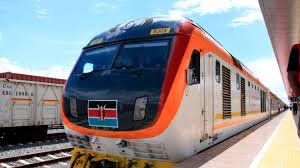
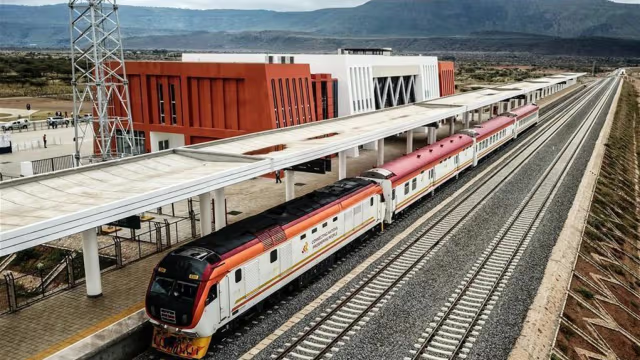
Meanwhile, pricing on the Madaraka Express remains unchanged, with economy class tickets at KSh 1,500 and first class at KSh 4,500. Children aged 3–11 years continue to pay Ksh 750 and Ksh 2,250 respectively, while those below three years travel free.
The stability in rail pricing is positioning the Standard Gauge Railway as a competitive alternative, particularly along the Nairobi–Mombasa corridor where bus fares are now approaching Ksh 2,000.
Despite the tax relief, diesel prices remain close to Ksh 200 per litre, a level operators say continues to strain margins when combined with maintenance, insurance and financing costs.
The Treasury’s intervention unfolded in quick succession, including a Ksh 6.2 billion subsidy from the Petroleum Development Levy Fund, an initial VAT reduction from 16% to 13%, and a further cut to 8% within 48 hours, reflecting mounting pressure following record fuel prices.
As the market adjusts, Easy Coach’s Ksh 1,900 pricing for western routes is emerging as a reference point, while the unchanged rail fares provide a measure of stability in an otherwise volatile transport landscape.