By Peter John
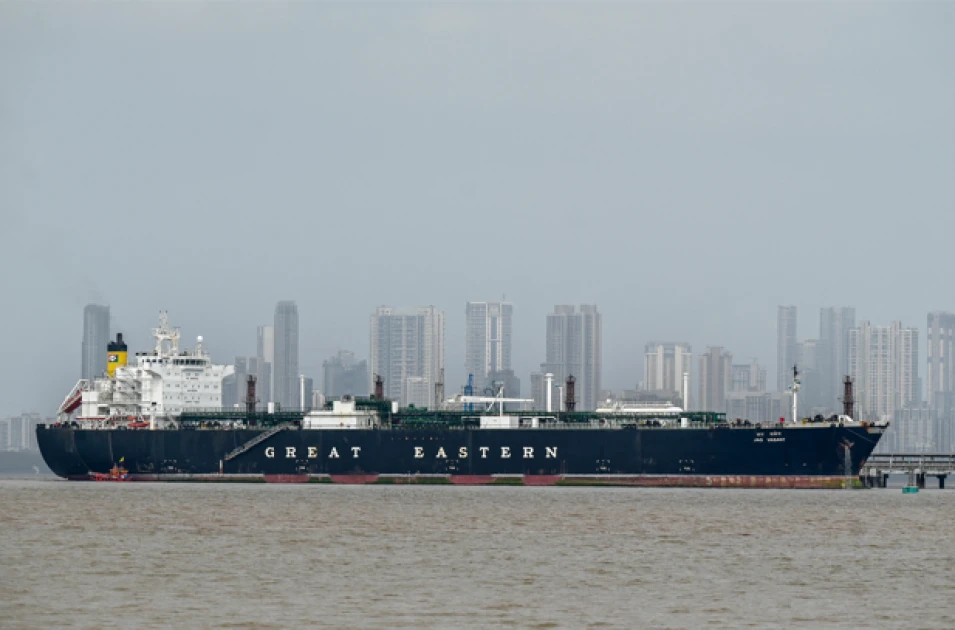
South Korea will send five Korean-flagged vessels to Saudi Arabia’s Red Sea port of Yanbu Port in a bid to secure alternative oil supply routes and bypass disruptions in the Strait of Hormuz, a ruling party lawmaker said Monday.
The move comes as global energy markets face mounting pressure following the effective closure of the strategic waterway by Iran in response to strikes linked to the United States and Israel.
The Strait of Hormuz is a critical artery for global oil and gas shipments, and its disruption has already triggered a sharp rise in oil prices, raising concerns about inflation and economic stability worldwide.
Lawmaker Ahn Do-geol said the government is pushing to deploy the vessels to Yanbu, which offers access to export routes that avoid the Gulf chokepoint.
He said the decision followed consultations with key agencies, including the energy ministry, and is part of broader efforts to ensure stable crude supplies.
South Korea, which depends on the Middle East for about 70 percent of its oil imports, is particularly vulnerable to disruptions in the region.
To mitigate the impact, Seoul also plans to dispatch special envoys to Saudi Arabia, Oman and Algeria to secure additional energy supplies.
The الأزمة has prompted the government to take wider economic measures, including proposing a $17.2 billion supplementary budget to cushion the impact of rising energy costs.
President Lee Jae Myung has warned that the country’s economy is effectively operating on a “wartime footing” as authorities scramble to respond to the evolving situation.
Officials have also urged the public to conserve energy, issuing guidelines such as reducing shower times and charging mobile devices during off-peak hours.
The steps reflect growing concern over the strain on energy supplies as geopolitical tensions continue to disrupt traditional trade routes.
The deployment of ships to the Red Sea underscores the urgency for countries like South Korea to diversify supply chains and reduce reliance on vulnerable transit points.
As uncertainty in the Middle East persists, securing alternative energy routes is expected to remain a key priority for governments heavily dependent on imported fuel.