African countries must urgently shift to self-reliant, domestically financed health systems or risk being unable to withstand future health and financial shocks, the Principal Secretary for Medical Services, Ouma Oluga, has said.
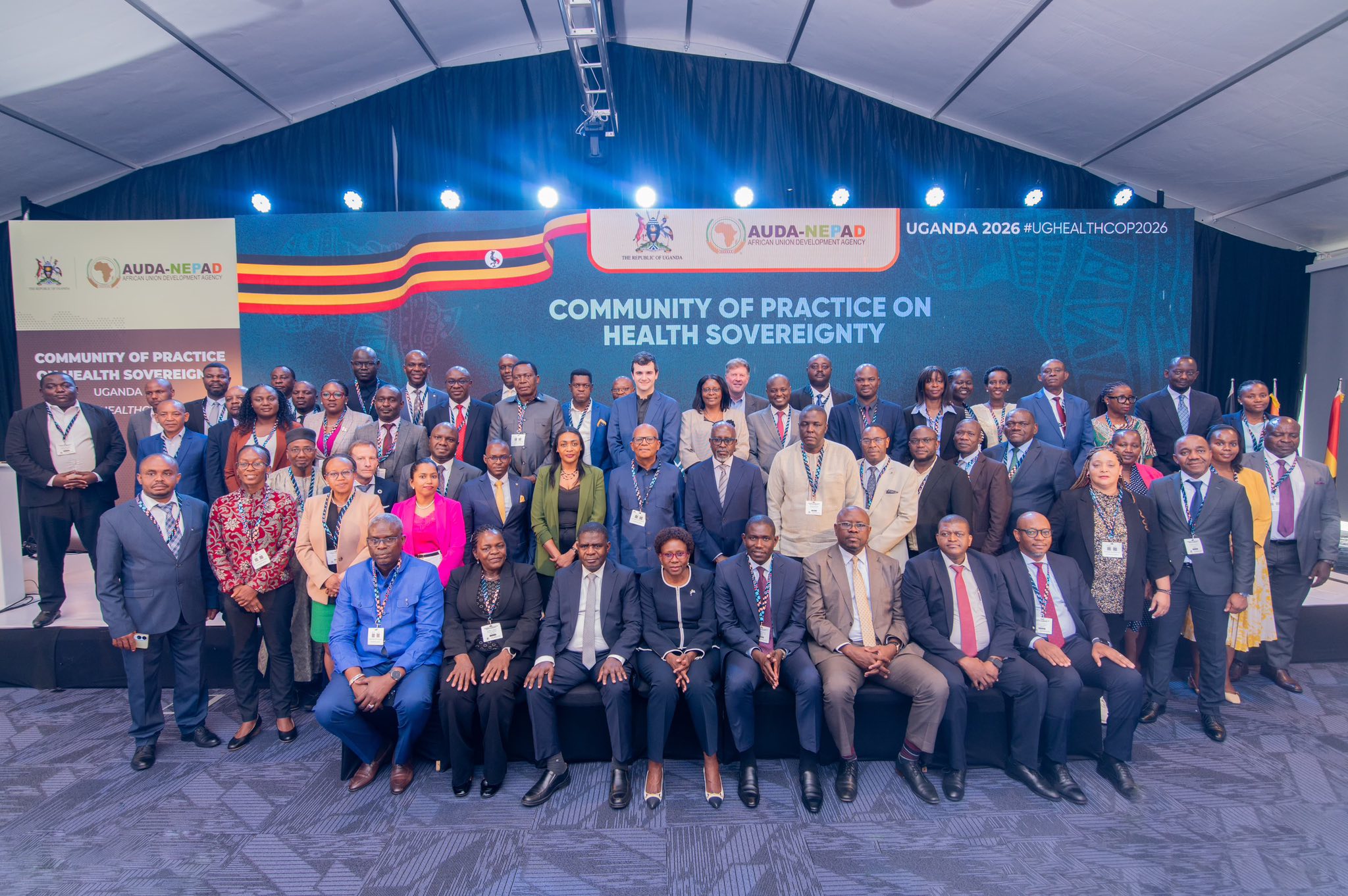
Speaking in Uganda on 24 March 2026 during the inaugural Community of Practice on Health Sovereignty Conference (UGHEALTHCOP), co-hosted by the Government of Uganda and the African Union Development Agency, the Principal Secretary emphasised the need for health systems that are country-owned, country-led and sustainably financed through domestic resources.
He noted that while donor support has advanced healthcare delivery, it remains insufficient to address future challenges amid global funding uncertainties and emerging health threats.

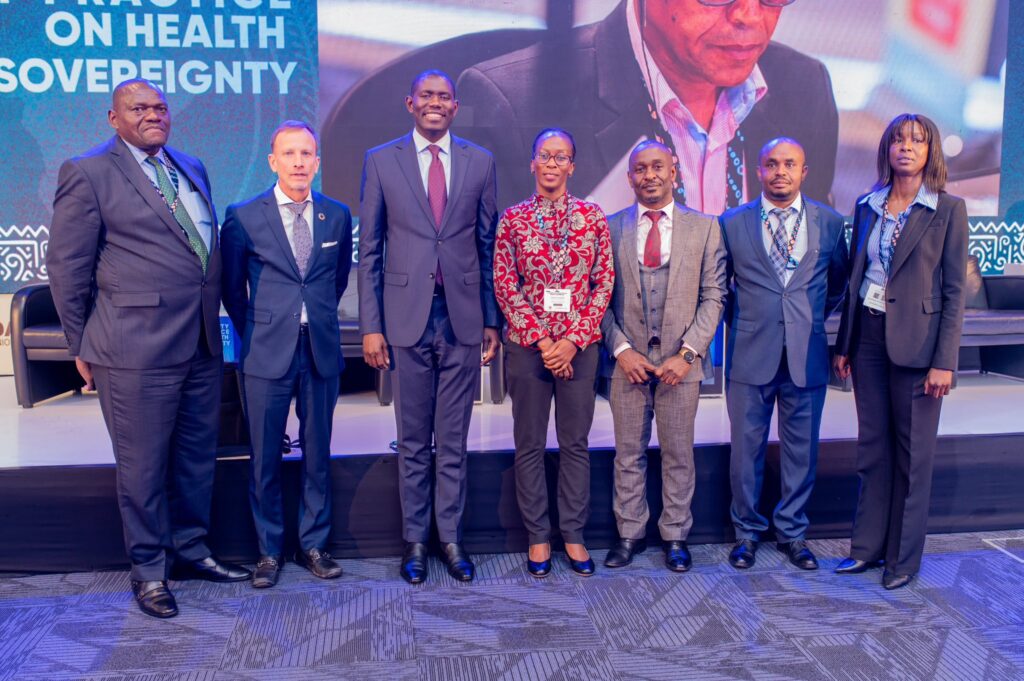
Drawing lessons from the COVID-19 pandemic, Dr. Oluga underscored the need for systems capable of withstanding both health and financial shocks without overreliance on external assistance.
He highlighted the importance of strengthening healthcare financing frameworks, expanding local manufacturing of health products, and setting clear national priorities to drive sustainable systems, while urging countries to scale proven, homegrown innovations across the continent.
Dr. Oluga identified disciplined resource use, sustained commitment and practical, locally driven solutions as critical pillars for advancing health sovereignty.
Reaffirming Kenya’s commitment, he said the government is investing in both human and financial resources to build a responsive health system that meets the needs of its citizens.
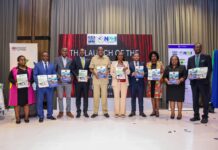
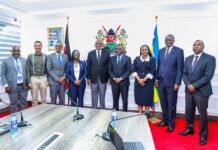
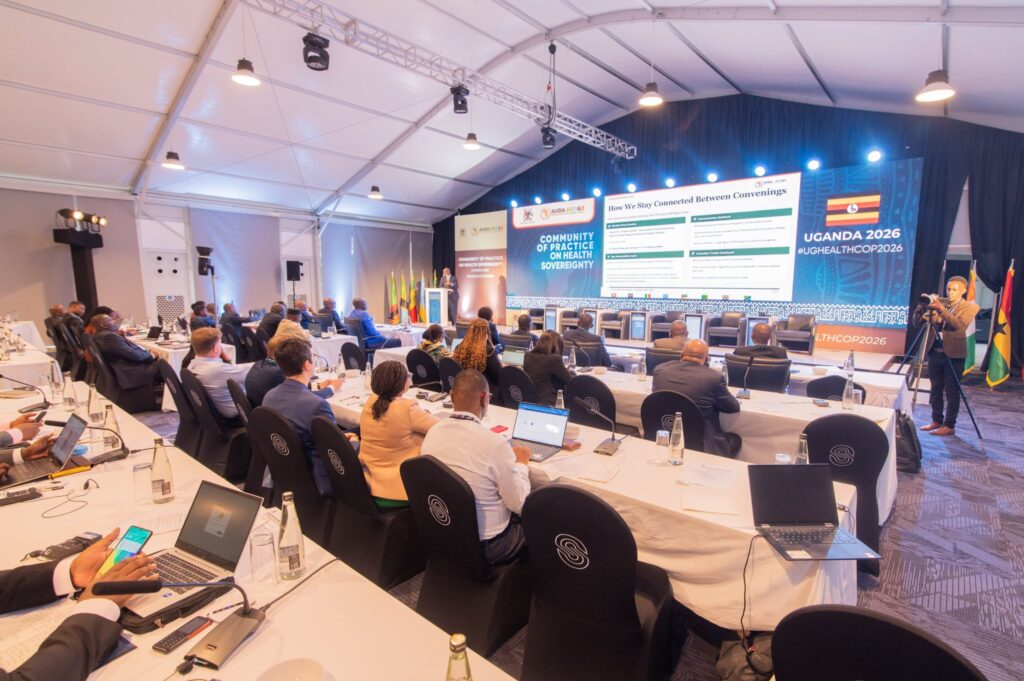
The three-day forum brought together Ministries of Health and Finance from Kenya, Senegal, Eswatini, Mozambique, Zambia, Tanzania, Botswana and South Africa to establish a Community of Practice aimed at advancing health sovereignty and strengthening country-owned health systems across the continent.
By Anthony Solly