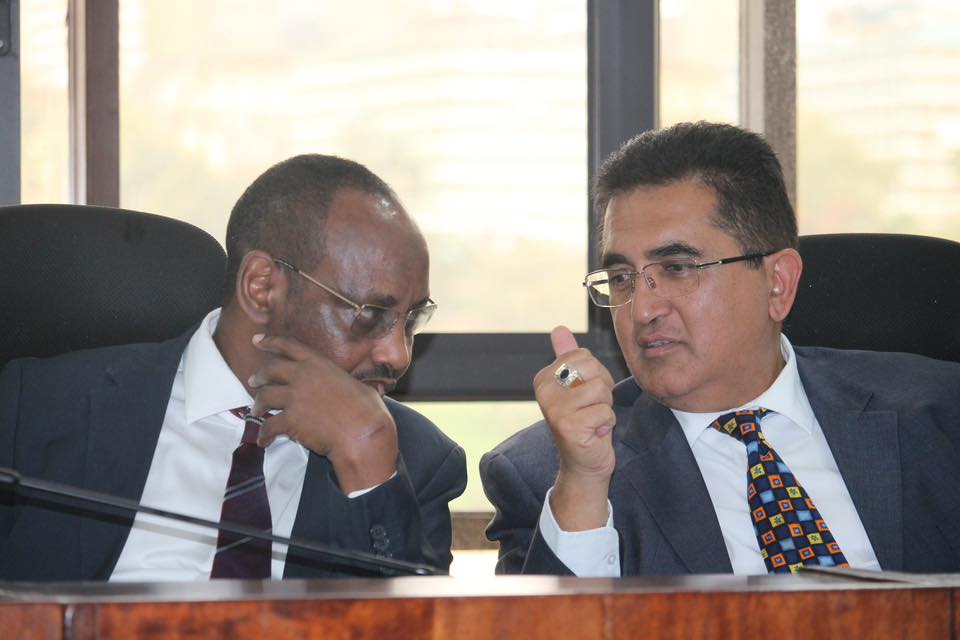
The State Department for Shipping and Maritime Affairs on Tuesday appeared before the National Assembly’s Transport and Infrastructure Committee, chaired by George Kariuki, to present its case on the Financial Year 2025/26 Supplementary Estimates.
The Department’s Principal Secretary, Mr.Aden Milah, told lawmakers that the State Department’s budget had been revised from KES 5.684 billion to KES 5.754 billion. The revised allocation includes KES 3.529 billion for recurrent expenditure and KES 2.225 billion for development, noting that the Department operates under a single programme—Shipping and Maritime Affairs.
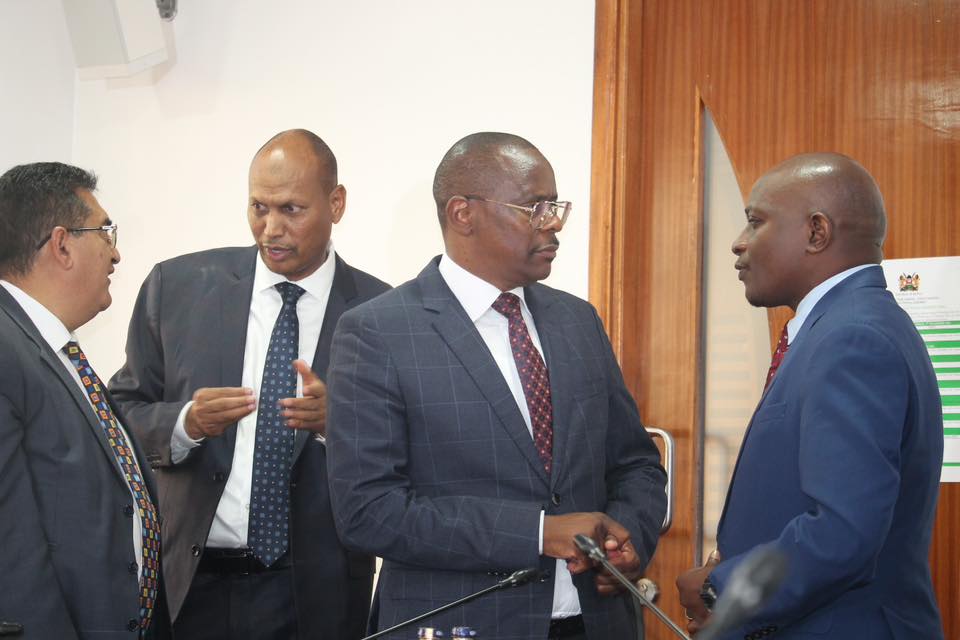
PS Milah highlighted persistent funding challenges, revealing that the Department has faced cumulative budget cuts of about KES 200 million over the last two financial cycles. He warned that the constraints have hampered delivery of its expanded mandate, prompting a request for an additional KES 100 million to address critical operational gaps.
Among priority areas identified for funding is the strengthening of the Government Clearing Agency, whose revenue potential remains underutilized due to poor facilities at key entry points, including Jomo Kenyatta International Airport and the Port of Mombasa.
The Department also cited the need to operationalize international agreements with partners such as Denmark and South Korea, complete key maritime policies, and implement a presidential directive on fuel oil bunkering to boost jobs and port competitiveness.
The PS also raised concerns over financial sustainability at the Bandari Maritime Academy, which faces an annual deficit of approximately KES 225 million. While the Academy expects to generate KES 210 million in Appropriations-in-Aid (AiA), its operational needs stand at KES 435 million. Revenue has been significantly affected by reduced fees for the mandatory STCW Basic Safety course, following a presidential directive that lowered charges from KES 70,000 to KES 15,000 per student.
Additional constraints include inadequate training equipment and limited infrastructure, which have delayed the rollout of revenue-generating courses.

PS Milah urged the Committee to support the fast-tracking of the construction of the Maritime Survival Training and Certification Centre, whose budget was reduced from KES 550 million to KES 166 million, creating a funding gap of KES 384 million.
The Department is also seeking reinstatement of KES 43 million for personnel costs at the Kenya National Shipping Line Limited (KNSL), which currently relies heavily on government support. KNSL’s allocation had been reduced to zero despite earlier provisions in the Budget Policy Statement.
Further funding needs include KES 100 million to upgrade training simulators at Bandari Maritime Academy and KES 250 million for the Lake Turkana Maritime and Transport Investment Project, aimed at improving safety and connectivity in northern Kenya through the construction of search and rescue centres.
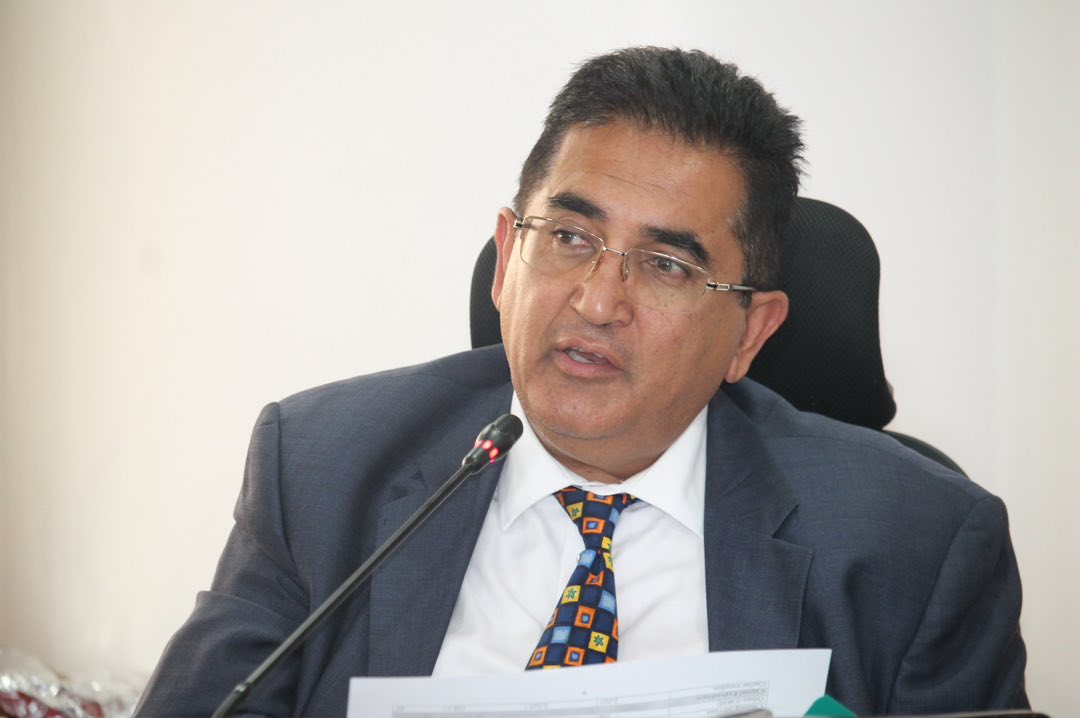
However, Members of the Committee questioned the Department’s strategic direction, citing the absence of a clear roadmap to unlock the sector’s full potential.
Lawmakers emphasized that strengthening Kenya’s position as a global hub for well-trained maritime professionals would significantly enhance competitiveness.
The Committee is expected to deliberate on the proposals and hold follow-up sessions as it reviews the Supplementary Estimates.
By Anthony Solly