By Bonface Mulyungi
The growing popularity of city marathons and recreational sporting events has brought renewed debate over the place of Sunday in modern society, particularly among Christians who regard the day as sacred. The discussion was reignited by Fr. Henry Mathagu who criticized organizers of marathons and other public events for routinely scheduling them on Sundays.
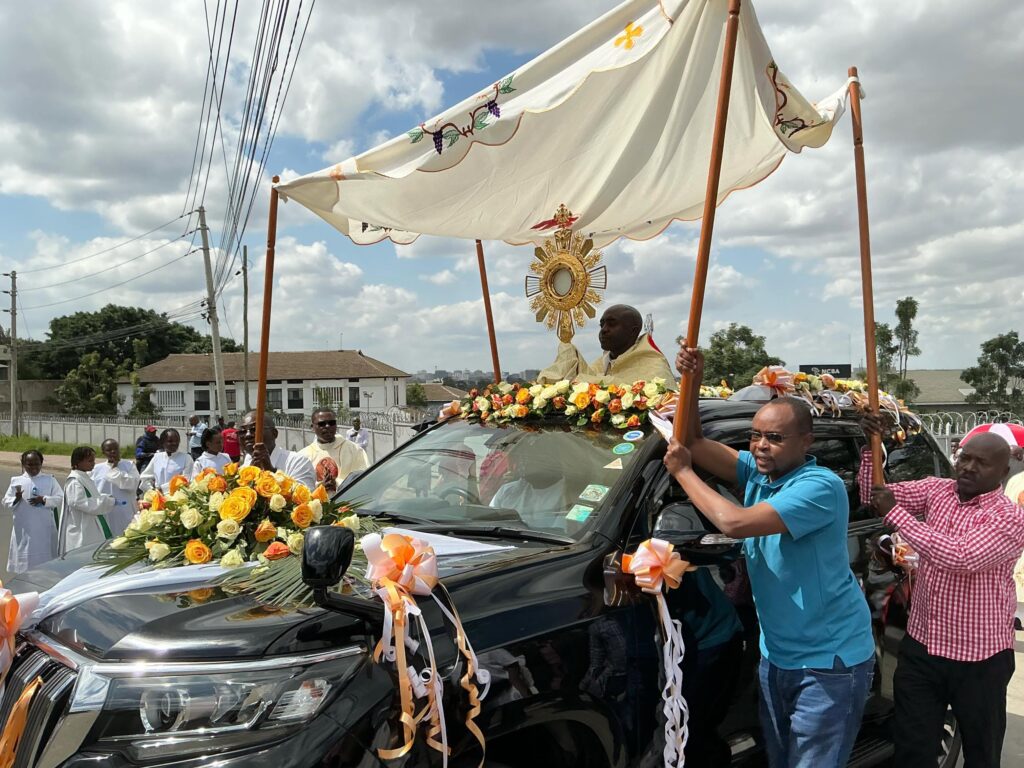
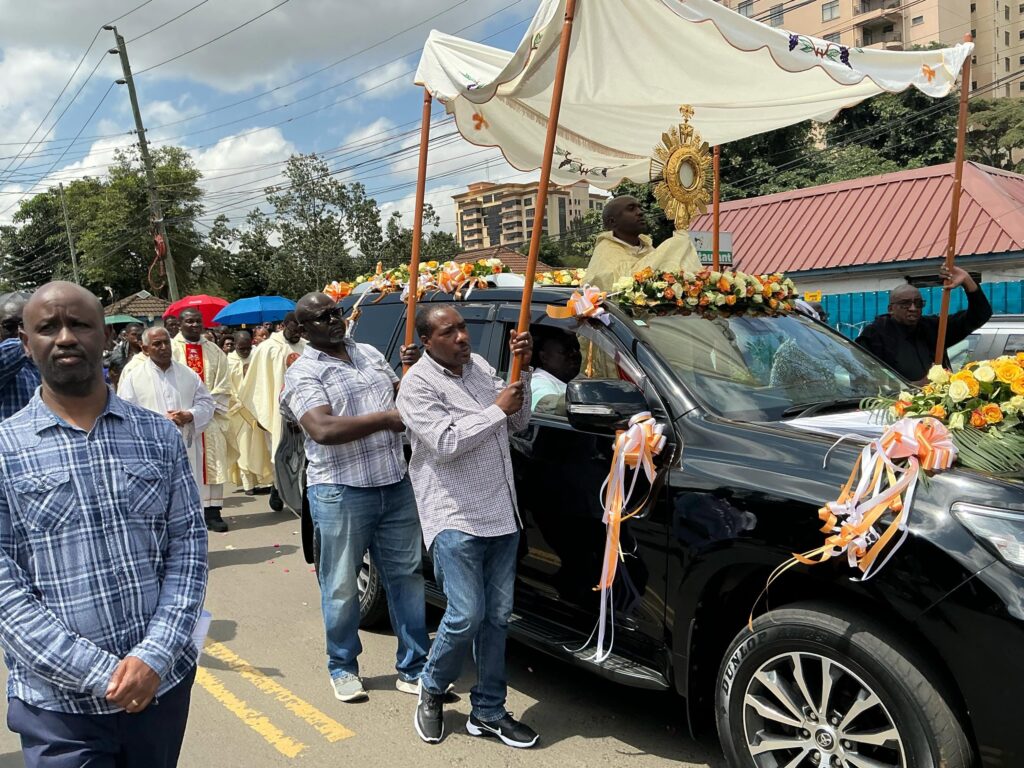
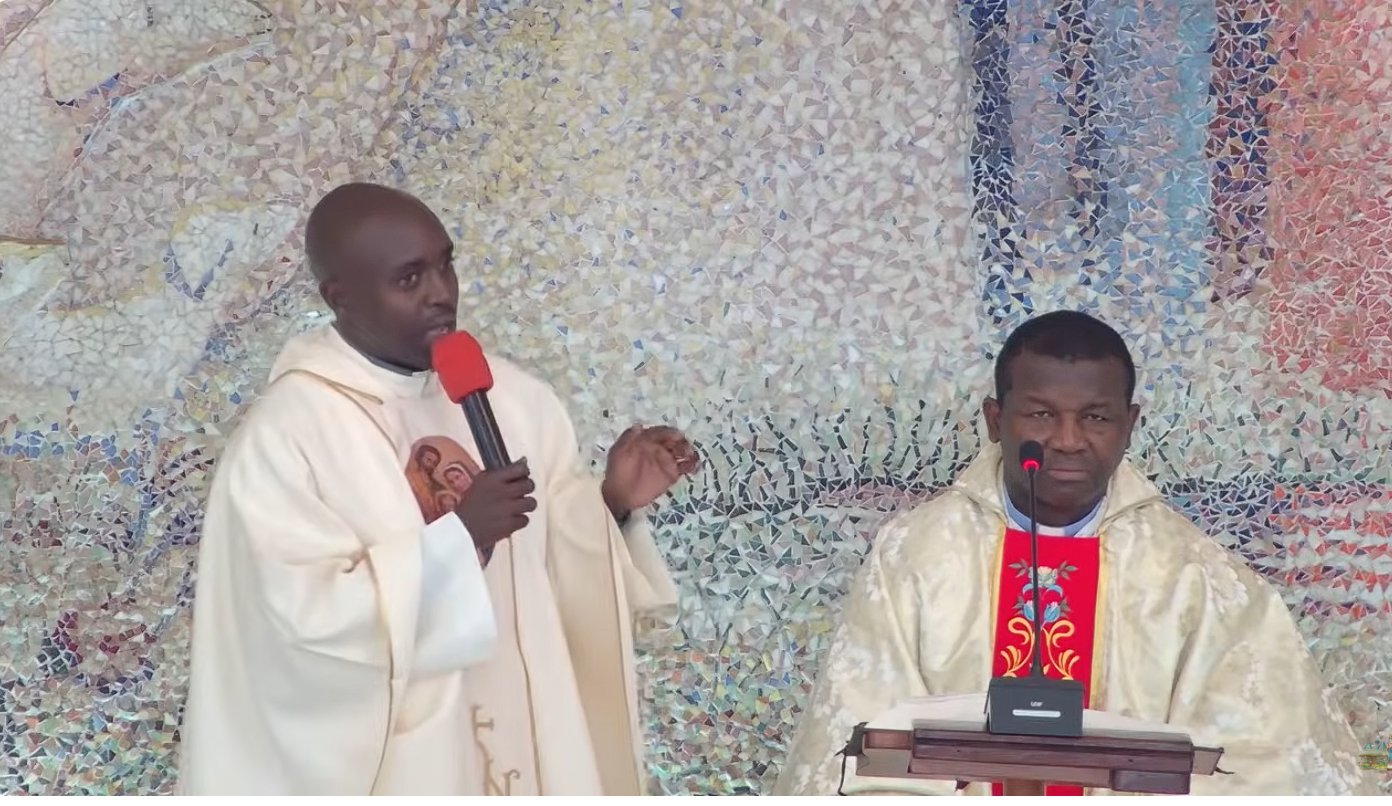
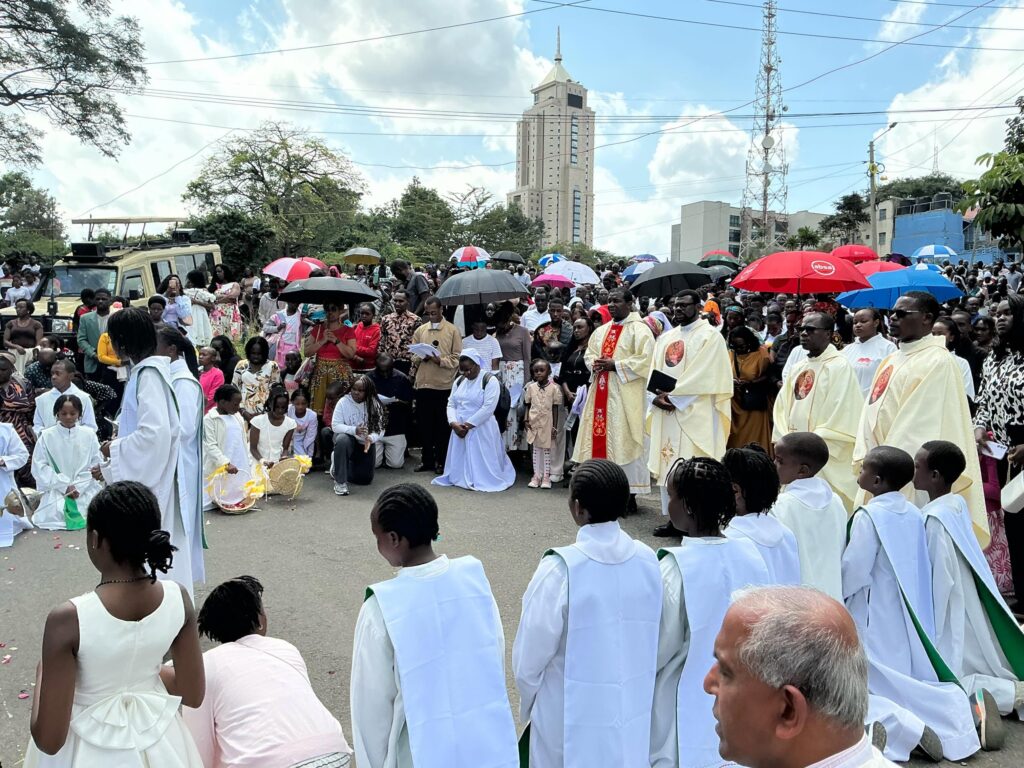
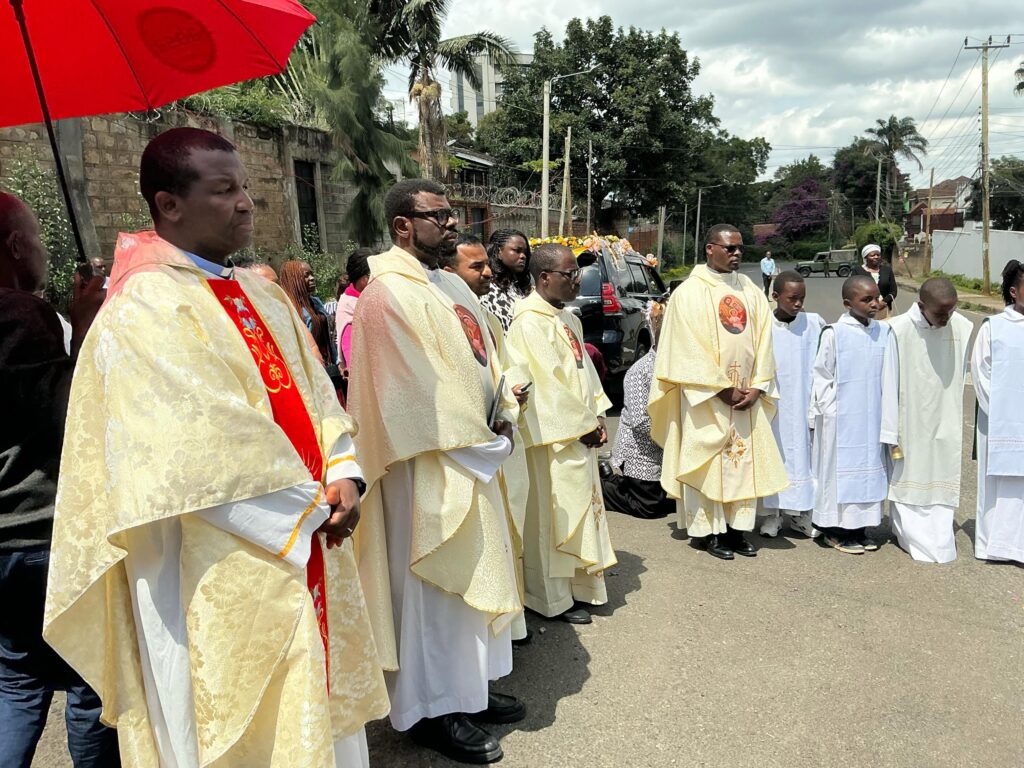
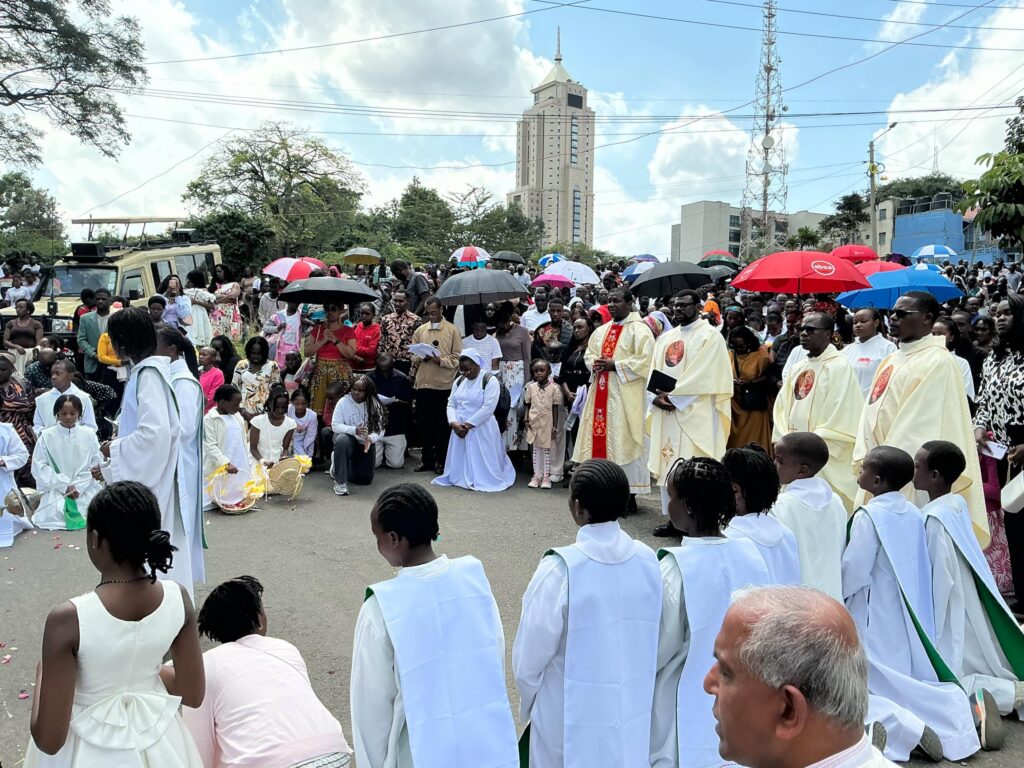
Speaking during the Solemn Eucharistic Procession for Corpus Christi at Mary Help of Christians, Don Bosco Upper Hill, Fr. Mathagu argued that Sunday should remain primarily a day of worship and spiritual reflection rather than a day dominated by sporting and commercial activities.
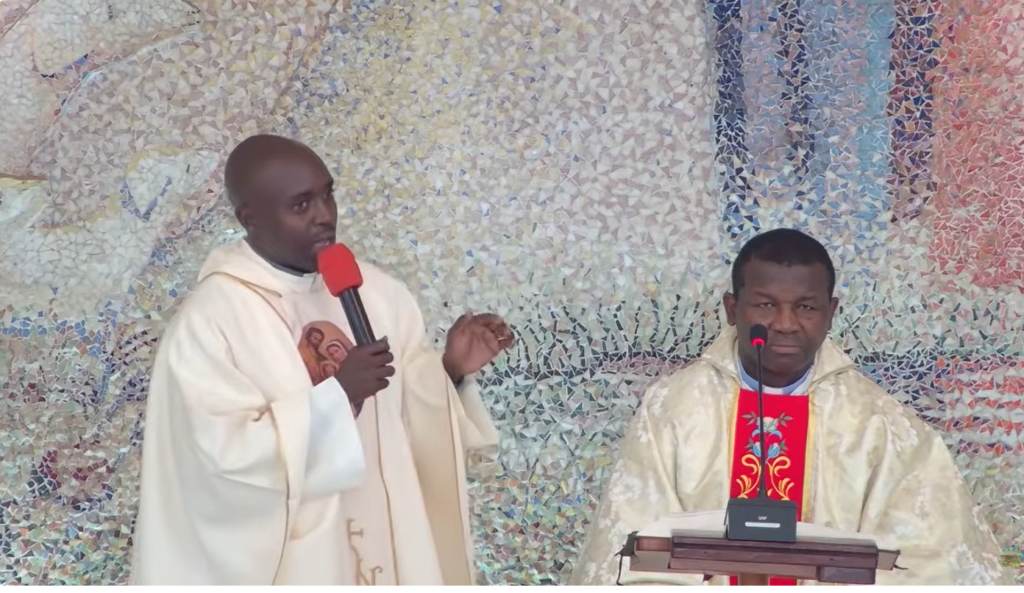
“These days I see many marathons being scheduled on Sundays, and probably some of those organizers are Christians and Catholics. It is not proper. Sunday is a day of worship, and if marathons are so important, they could be scheduled on weekdays. We can also take advantage of public holidays. But when we schedule such activities on Sunday, it is a way of being anti-Christ,” he stated.
His remarks come at a time when Kenya and many other countries continue to witness an increase in weekend sporting events that attract thousands of participants.
One of the most prominent examples is the Nairobi City Marathon, whose fifth edition was held today on Sunday, June 7, 2026. The event attracted thousands of runners and led to the absenteeism of many Christians and closure of major roads including sections of the Nairobi Expressway, Uhuru Highway, Kenyatta Avenue, and City Hall Way. Organizers scheduled races from early Sunday morning through the afternoon, a practice that has become common for major marathons worldwide.
The 2025 edition of the Nairobi City Marathon was also held on a Sunday, July 6, resulting in widespread road closures across the city as runners took part in the full marathon, half marathon, 10-kilometre race, and family fun run.
Similarly, the Standard Chartered Nairobi Marathon has traditionally been conducted on Sundays, with traffic authorities regularly announcing road diversions and closures to accommodate participants.
Event organizers often defend Sunday scheduling on practical grounds. Sunday mornings generally experience lighter traffic compared to weekdays, making it easier and safer to close roads for runners. Organizers also argue that most participants are free from work commitments, allowing greater public participation. Similar sentiments are echoed by runners and marathon enthusiasts worldwide, many of whom view Sunday as the most convenient day for large-scale races.
Major international races such as the New York City Marathon, London Marathon, Berlin Marathon, Chicago Marathon, and many others are also traditionally held on Sundays, reflecting a long-standing global practice in road racing.
Fr. Mathagu’s comments reflect concerns shared by many church leaders who believe modern society is gradually eroding the spiritual significance of Sunday. Christian tradition regards Sunday as the Lord’s Day, commemorating the resurrection of Jesus Christ and providing believers with an opportunity for worship, family life, rest, and community.
Some clergy argue that when major sporting, commercial, and entertainment events dominate Sundays, many Christians are blocked from reaching their places of worship because of roads closure while others get tempted to prioritize leisure over religious obligations. Others contend that participation in sports and healthy recreational activities need not conflict with faith, provided individuals still make time for worship.