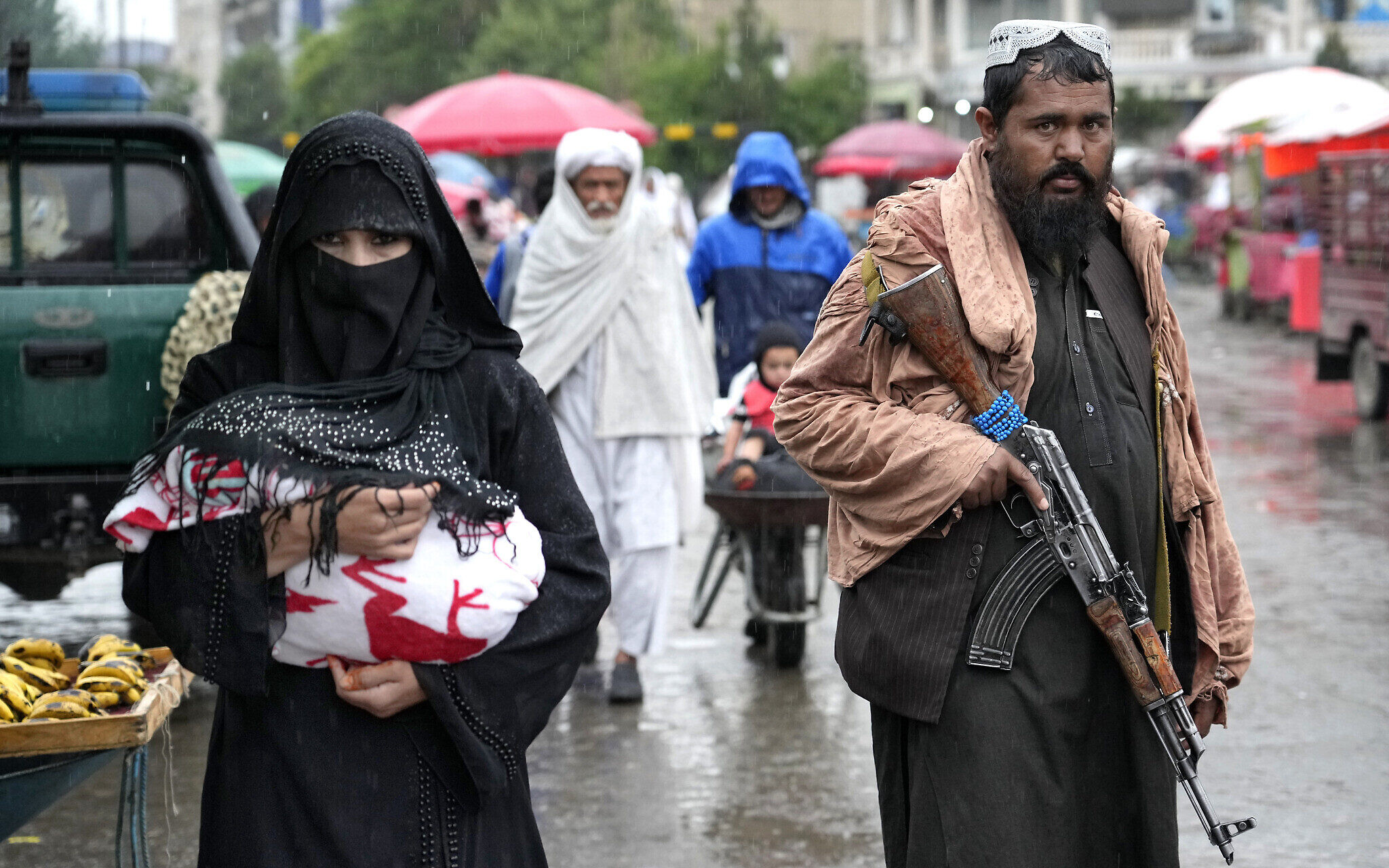
Since the Taliban took control on August 15, 2021, Afghanistan has been in the grip of a severe humanitarian crisis. According to the United Nations, 95 percent of Afghans are hungry.
It’s a disaster that worsened after Kabul fell a year ago, exacerbated by the US decision to freeze the assets of the Afghan Central Bank and international sanctions that have crippled an already fragile economy.
When the Taliban seized Kabul a year ago, the Afghan economy was already in shambles, with half of the population living in poverty. Since then, the situation has only gotten worse.
International aid accounted for 80 percent of the Afghan state budget before being cut off following the Taliban victory, causing economic collapse and deprivation of basic necessities for many Afghans.
“On August 15, 2021, Afghans’ lives were turned upside down,” said Fereshta Abbasi, an Afghanistan specialist at Human Rights Watch. “Hunger is killing people in one of the world’s worst humanitarian crises.”
When Samy Guessabi, regional director of the non-governmental organization Action Against Hunger, arrived in Kabul in March, he found the once-bustling Afghan capital virtually at a standstill.
“Many Afghans have lost their jobs, and those who are still working have seen their pay drop dramatically,” he said. “At the same time, the cessation of international aid has resulted in a cash crisis.” As a result, people are unable to withdraw their savings from the bank. And Afghans who have left the country are having a difficult time sending money back to their relatives.”
“Many families have been reduced to prioritizing the most basic needs – for shelter and food,” Guessabi added. “However, walking past the market stalls reveals that there is no shortage of food.” People simply cannot afford to buy it.”
The Russian invasion of Ukraine exacerbated the crisis by sending food prices skyrocketing. “The price of certain foods, such as cooking oil, rice, and flour, has doubled,” Guessabi noted.
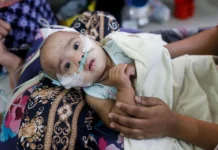
According to the UN World Food Programme, nearly 20 million people – half of the Afghan population – are food insecure, and 95 percent of the population does not have enough food to eat (WFP). More than a million children under the age of five are malnourished, both acutely and chronically.