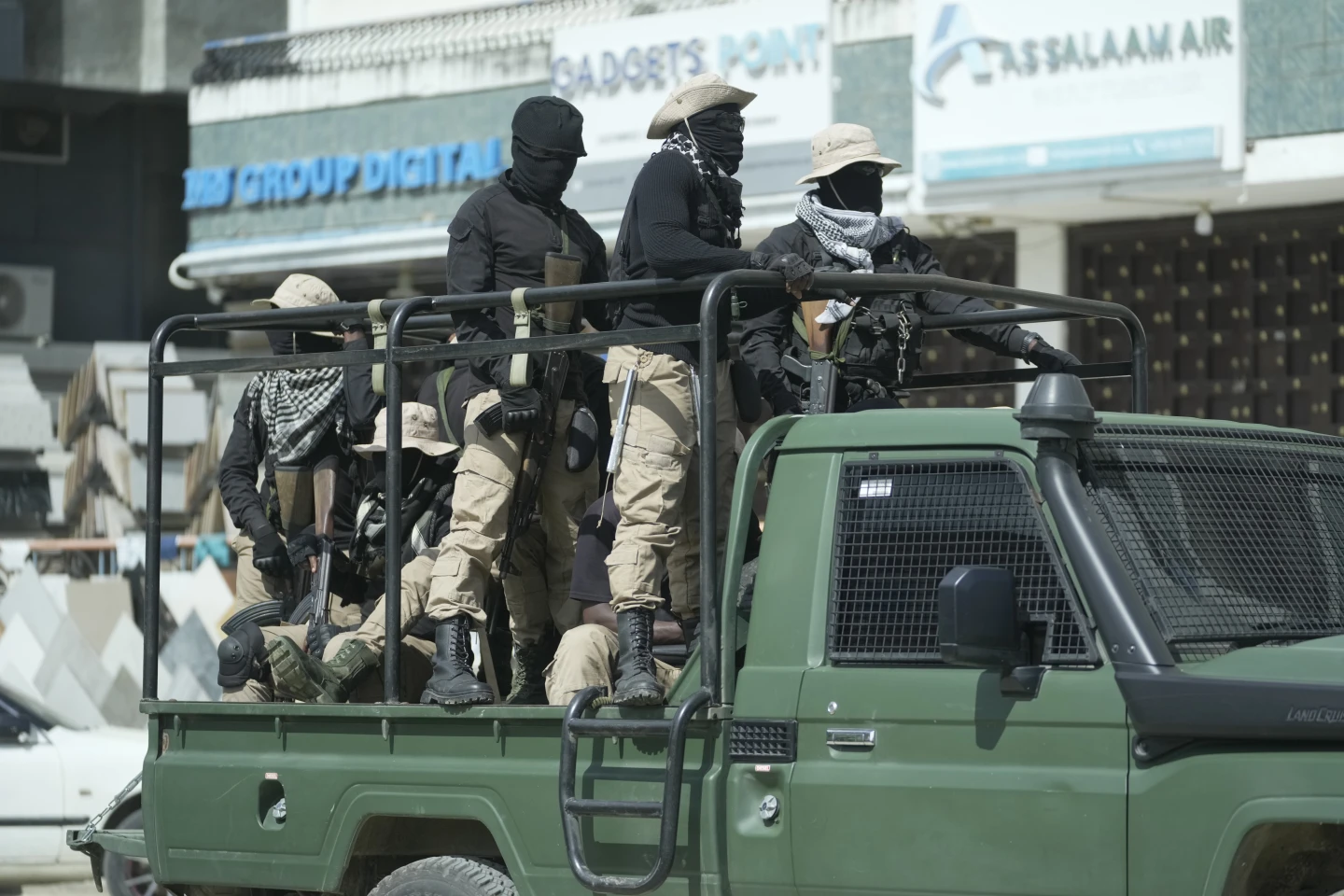
Tanzanian security forces used unlawful lethal force against protesters and bystanders during a crackdown on demonstrations following the disputed October elections, Amnesty International has alleged.
The human rights group said officers fired live ammunition and tear gas at individuals posing no threat, killing and injuring hundreds across the country between 29 October and 3 November. It accused authorities of recklessly deploying firearms, targeting bystanders and launching tear gas into homes and residential areas.
Amid a nationwide internet blackout, security personnel allegedly beat detainees, denied medical care to the wounded and removed bodies from hospitals to unknown locations, apparently to hide evidence of abuses.
“The violence that security forces inflicted on protesters and other people who were just going about their daily lives was shocking and unacceptable, and yet another sign of growing intolerance in Tanzania,” said Agnès Callamard, Amnesty International’s secretary general.
Healthcare workers in Dar es Salaam, Arusha and Mwanza described treating hundreds of gunshot victims, mostly young men but also women and children. Morgues overflowed, with bodies left outside and, in one account, crows feeding on the dead.
Amnesty verified videos showing dozens of corpses piled in hospital facilities and footage of apparent high-velocity gunshot wounds consistent with military rifles.
Witnesses recounted officers shooting unarmed individuals without warning. In one case, a woman holding only a wooden stick was filmed collapsing after being hit. Families of some victims said bodies vanished from morgues, forcing symbolic burials of clothes and photographs.
Although some protesters threw stones or vandalised property, Amnesty said documented cases involved lethal force against those presenting no imminent danger.
President Samia Suluhu Hassan announced a commission of inquiry into the killings on 14 November, but civil society groups questioned its independence.
“The formation of the commission is the first of many steps that must be followed to deliver accountability,” Callamard said. “The authorities must now ensure that all investigations are independent, thorough and impartial. No one should be shielded from justice.”
Amnesty interviewed 35 survivors, witnesses, medics and relatives, and verified 32 pieces of digital evidence. Tanzanian officials did not respond to requests for comment.
The protests erupted after an election in which main opposition candidates were barred, leading to President Hassan’s overwhelming victory. Rights groups have condemned the broader repression, including arbitrary arrests and restrictions on assembly.