By Andrew Kariuki
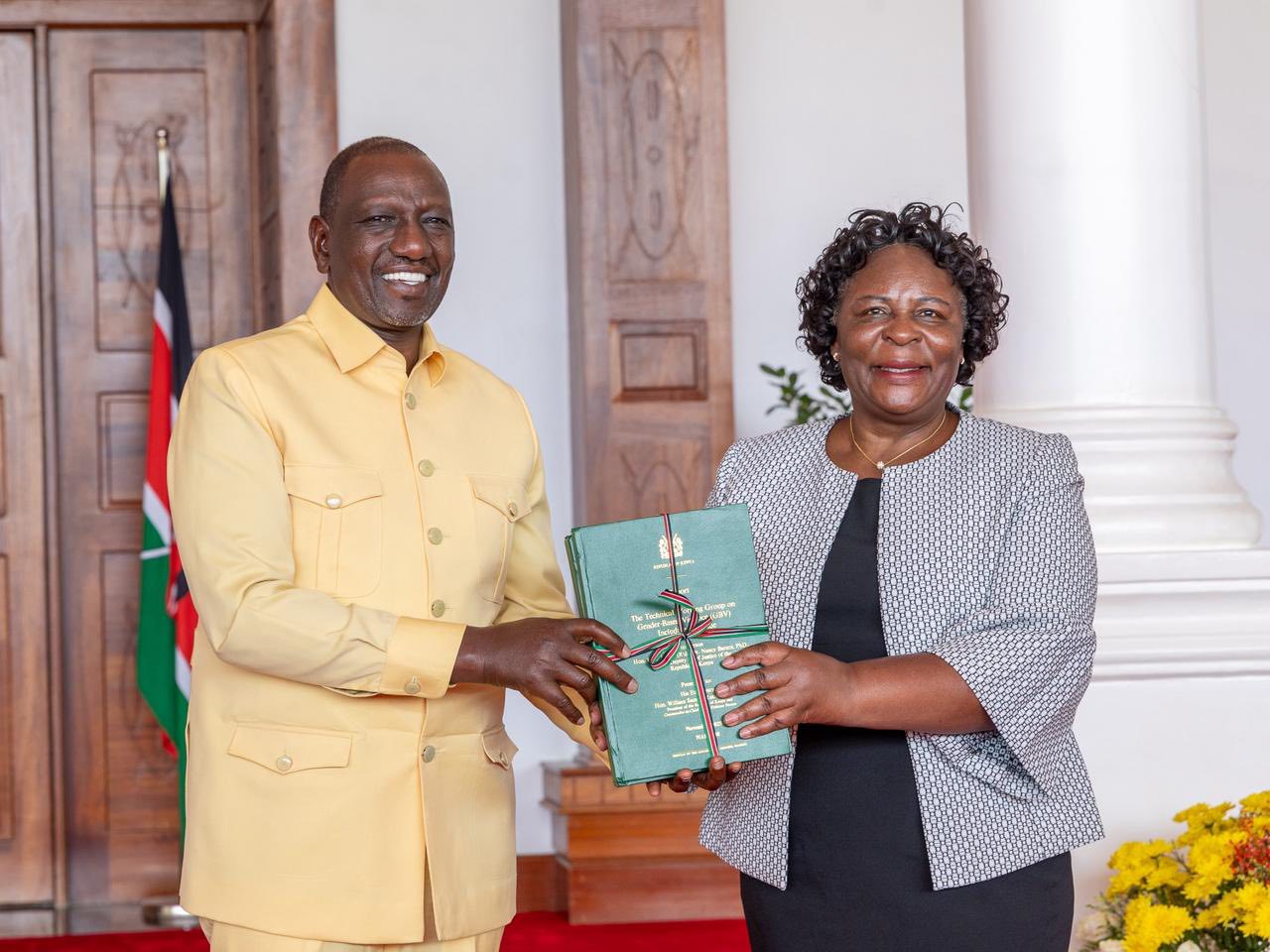
A presidential technical taskforce has called for far-reaching legal, digital and security reforms to confront rising cases of gender based violence (GBV) and femicide in Kenya, warning that weak enforcement, poor data systems and unchecked online abuse have created a climate of impunity.
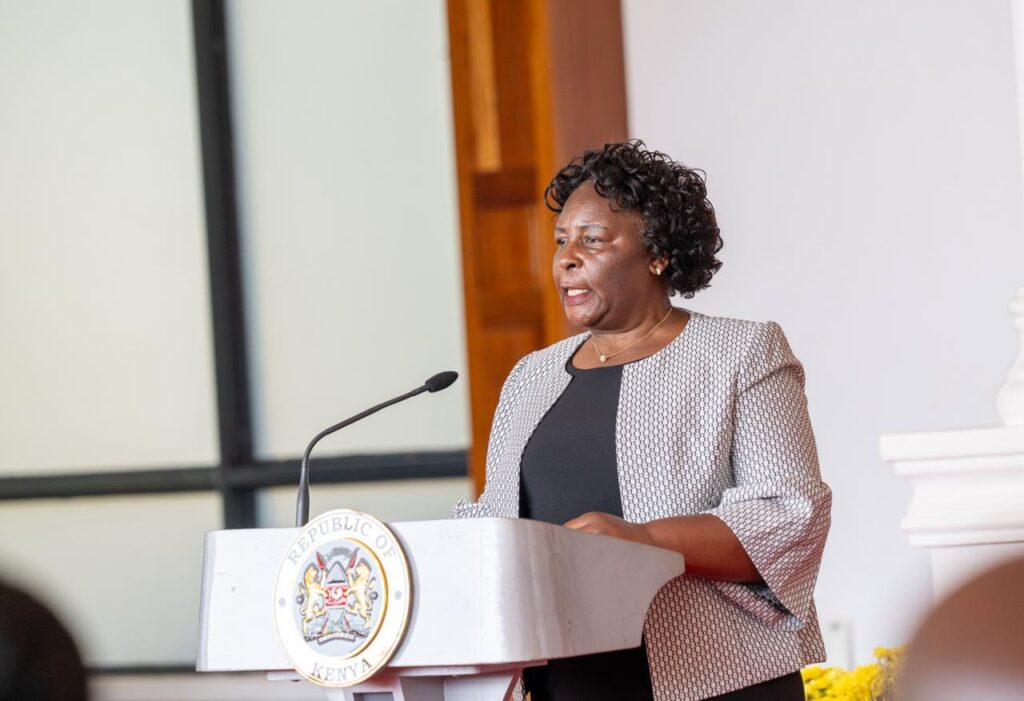
In a report by the Technical Working Group (TWG) on Gender Based Violence and Femicide, chaired by former Deputy Chief Justice Nancy Baraza, the team urged the regulation of digital spaces, including the development of a GBV Digital Ethics Code for the media and stronger content moderation to protect survivors and families.
The taskforce said the absence of digital ethics guidelines and low digital literacy have normalised online abuse, victim-blaming, misinformation and the circulation of graphic content that retraumatises survivors.
While social media has helped raise awareness, the report warned that it has also become a platform for shaming and desensitisation.
A major gap identified is the lack of a centralised, publicly accessible national data system on GBV and femicide.
According to the report, the absence of real-time, disaggregated and gender sensitive data has undermined efforts to detect patterns, respond to emerging threats, evaluate interventions and design evidence-based policies.
The taskforce also recommended mandatory installation of CCTV and other security measures in all short stay rentals, lodgings, Air Bed and Breakfasts (AirBnBs) and commercial accommodation facilities to enhance safety and prevent GBV incidents.
President William Ruto established the TWG on January 10 last year following public protests over rising cases of GBV and femicide.
Its mandate included analysing trends and causes, assessing the adequacy of existing laws and policies, reviewing resource allocation and training and examining the role of social media in shaping public perception and responses.
Beyond digital harms, the report found that patriarchal norms, weak enforcement of laws and fragmented survivor support systems continue to expose victims to risk.
Many cases, it noted, are underreported, poorly handled or resolved informally at family or community level, reinforcing silence and impunity.
The team highlighted the absence of a standalone offence of femicide in Kenyan law, with cases currently prosecuted under general murder provisions.
This, the report said, has led to inconsistent prosecutions and weak data for prevention and accountability.
It recommended amending the Penal Code to define femicide clearly as a distinct crime.
Other forms of abuse including economic exploitation, psychological harm and online harassment, were found to receive far less attention than physical and sexual violence.
Vulnerable groups such as men, boys and persons with disabilities were also described as largely invisible in current responses.
Justice gaps were noted at community level, where cases are often handled by elders or informal forums.
According to the report, such processes frequently involve coercion, victim-blaming and silence, especially where family honour, bride price or kinship ties are involved.
Informal structures like Nyumba Kumi units and chiefs’ barazas were said to lack the authority and training to handle serious offences, with reconciliation and compensation often replacing prosecution.
The TWG also flagged underfunding and weak coordination of GBV services across national and county governments, noting that many survivor services depend on donor funding and that counties often lack trained personnel, referral systems and dedicated budgets.
Among its key proposals, the taskforce recommended; declaring GBV and femicide a national crisis to mobilise emergency resources, establishing a National GBV and Femicide Response Fund, creating a National GBV management Information System, a Femicide Observatory and a public dashboard to track trends, criminalising family or clan interference in GBV cases and amending the Sexual Offences Act to prevent withdrawal of cases after prosecution begins, installing CCTV in short-stay rentals and strengthening penalties for child sex offences, criminalising medicalised female genital mutilation (FGM) and expanding One-Stop GBV Recovery Centres across all counties and running nationwide public education campaigns to challenge harmful norms.
The taskforce also proposed the introduction of chemical castration for certain sexual offences, recommending changes to the Sexual Offences Act to allow courts to impose the measure on offenders convicted of aggravated defilement, including cases involving children and persons with disabilities.
The report notes that chemical castration would be medically administered, non-surgical, generally reversible and would be applied alongside prison sentences, particularly for repeat offenders.
The report warned that failure to act would undermine constitutional rights, social cohesion and national development.
“Addressing this crisis demands more than reforms on paper,” the taskforce said, calling for swift implementation of its recommendations to break the cycle of violence and restore public trust in the justice system.