The European Parliament has strongly condemned what it described as widespread intimidation, harassment, arbitrary detention, and violence following Uganda’s general presidential and parliamentary elections held on January 15, 2026.
In a February 12 statement signed by Press Officer Elodie Laborie, the Parliament said the elections were “marred by abuses, widespread intimidation, fraud, violence and a nationwide internet blackout.”
Lawmakers expressed serious concern about the post-election environment, particularly the treatment of opposition leaders and supporters.
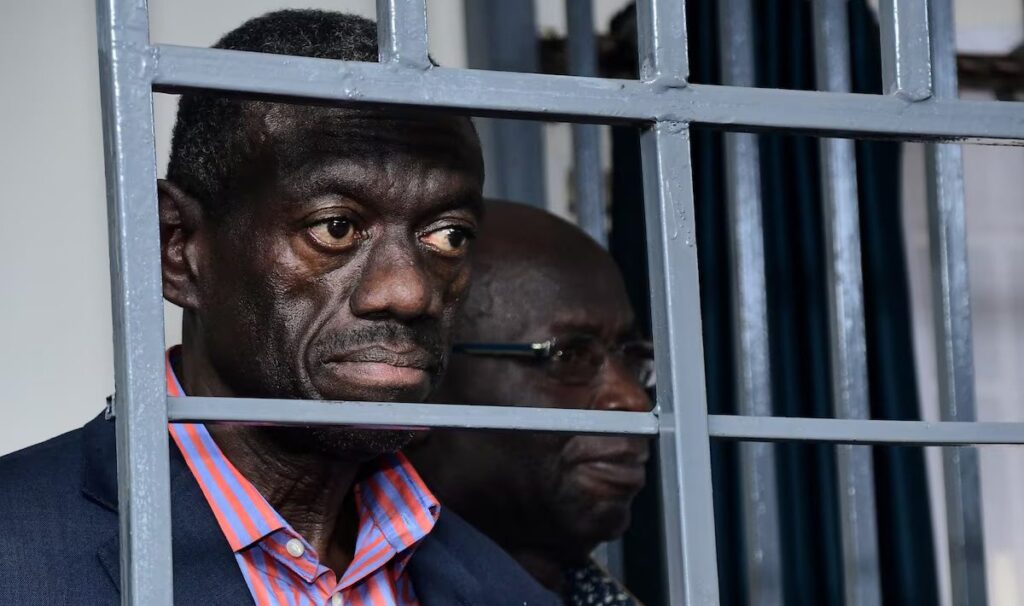
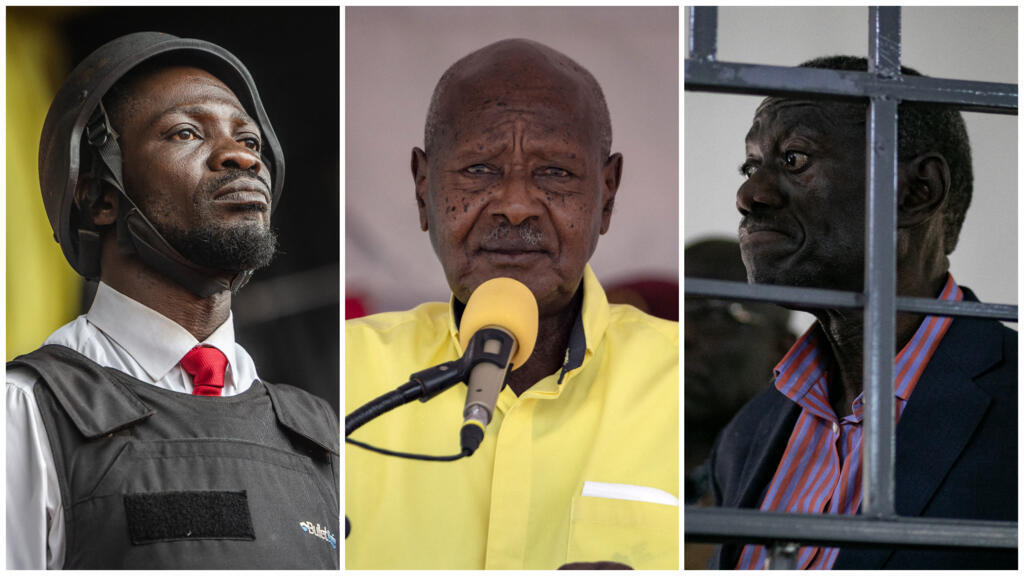
The resolution singled out Robert Kyagulanyi Ssentamu, leader of the National Unity Platform (NUP), and veteran opposition figure Kizza Besigye.
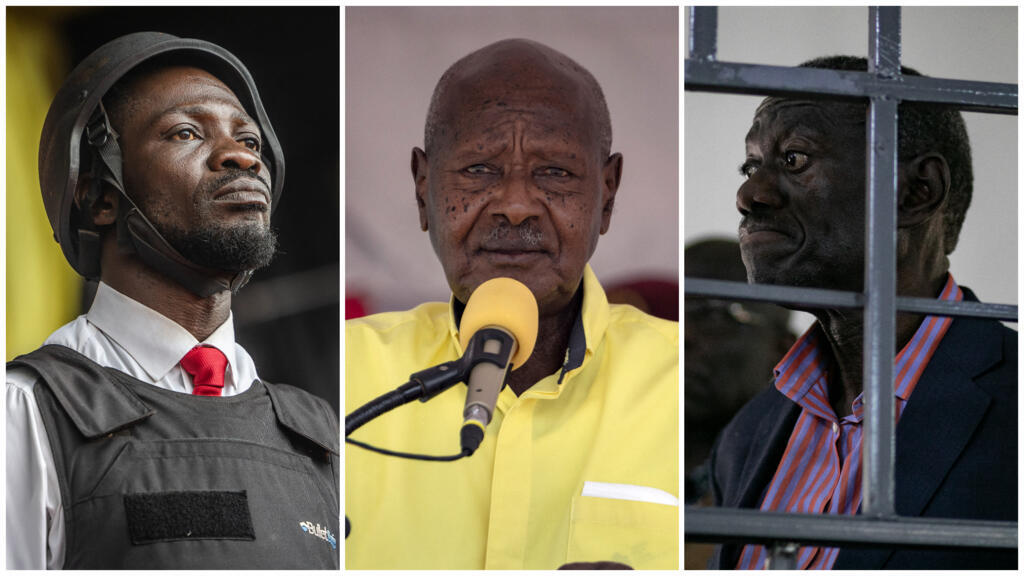
Parliament called for “the immediate and unconditional release” of Kyagulanyi, Besigye, and all individuals it described as arbitrarily detained. It also condemned the killing of NUP supporter Mesach Okello.
The Lawmakers urged Ugandan authorities to end the practice of trying civilians in military courts, to implement constitutional safeguards in judicial proceedings, and to disclose the whereabouts of missing persons.
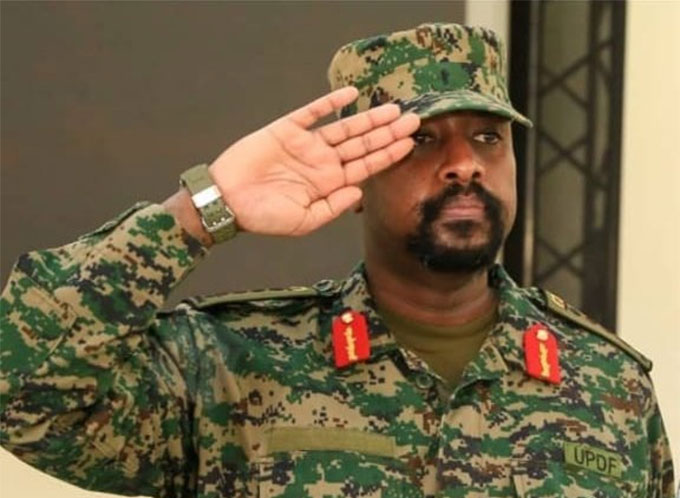
The resolution further called for “independent and impartial investigations into crimes against humanity committed by political and military leaders.”
“MEPs are deeply concerned by the suppression of civil society groups and the significant threats and intimidation directed at opposition leaders. Parliament urges Ugandan authorities to uphold democratic principles, respect human rights, and ensure accountability for all abuses committed,” the statement read.
The resolution also underscored the need for comprehensive electoral and institutional reforms in Uganda. Members of the European Parliament called on the European Union and its member states to review their cooperation with Kampala to ensure alignment with EU principles.
They urged prioritised support for civil society organisations, human rights defenders, LGBTIQ+ activists, and journalists operating in Uganda.
Following the elections, Kyagulanyi publicly rejected the official results, describing them as “fake” and alleging ballot stuffing, though he did not present evidence to substantiate the claims.
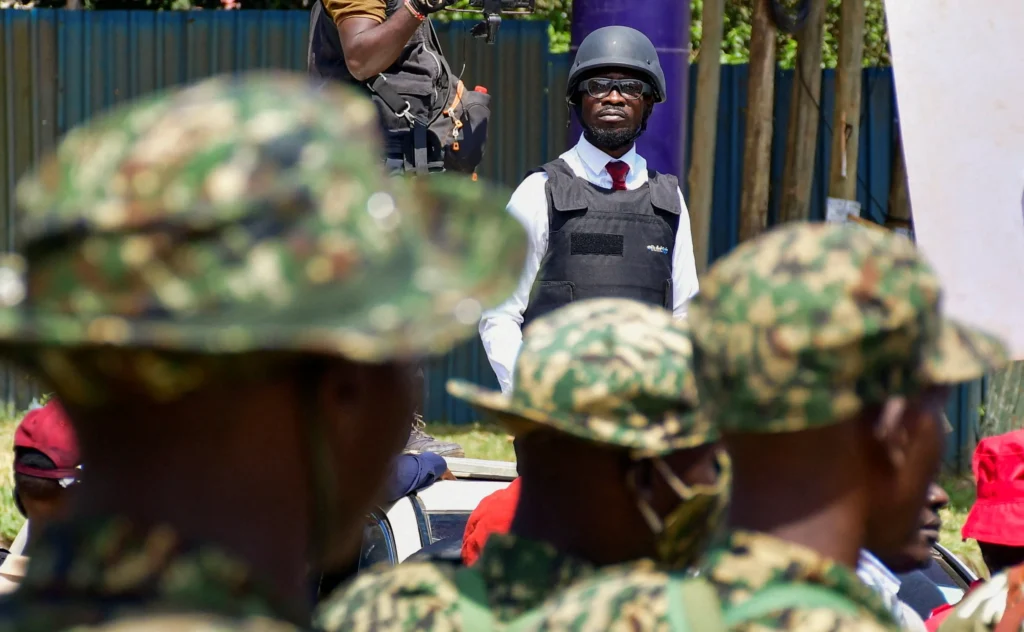
On January 16, he reportedly left his residence in Magere and went into hiding after what he described as a military raid, citing fears for his safety.
Since then, he has continued communicating with supporters via social media, urging peaceful street protests instead of filing a judicial petition, citing lack of confidence in the judiciary.
According to official results released by the Electoral Commission, incumbent President Yoweri Museveni of the National Resistance Movement (NRM) was declared winner with 7,946,772 votes, representing 71.65 percent of the valid votes cast. Kyagulanyi received 2,741,238 votes, accounting for 24.72 percent.
This is not the first time Kyagulanyi has challenged election results. After the 2021 presidential poll, he petitioned the Supreme Court contesting Museveni’s victory but later withdrew the case, citing what he termed bias and lack of impartiality in the courts.
The European Parliament’s resolution was adopted by 514 votes in favour, three against, and 56 abstentions.
In the same sitting, the Parliament also adopted resolutions addressing human rights concerns in Iran and Türkiye.