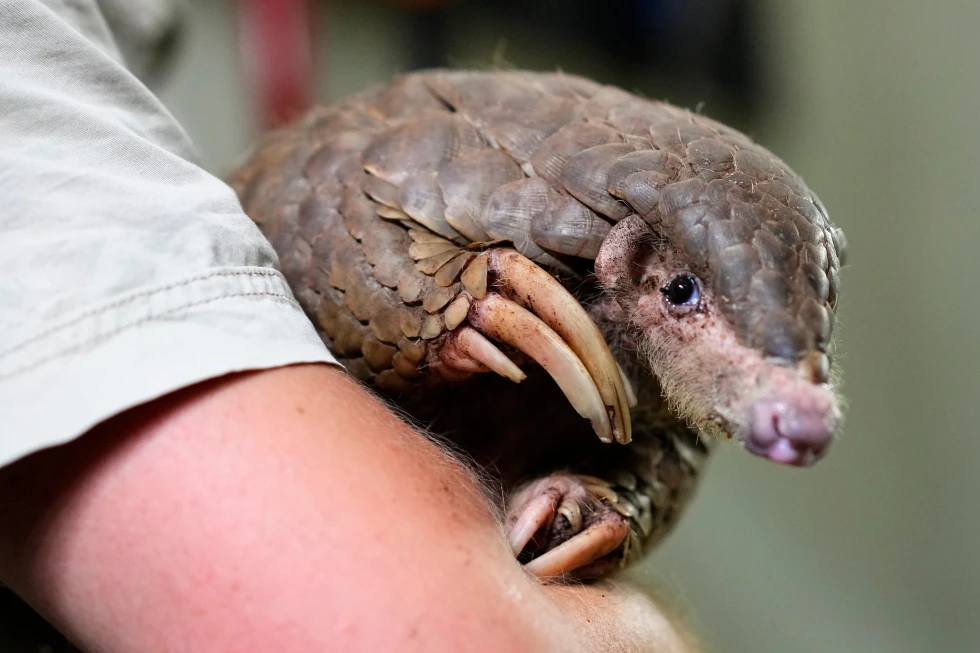
CAPE TOWN, South Africa
They are armed with armor-like scales, yet they cannot defend themselves against their biggest threat: humans. On World Pangolin Day, conservationists are shining a light on the plight of the shy, nocturnal pangolin, the world’s most trafficked mammal.
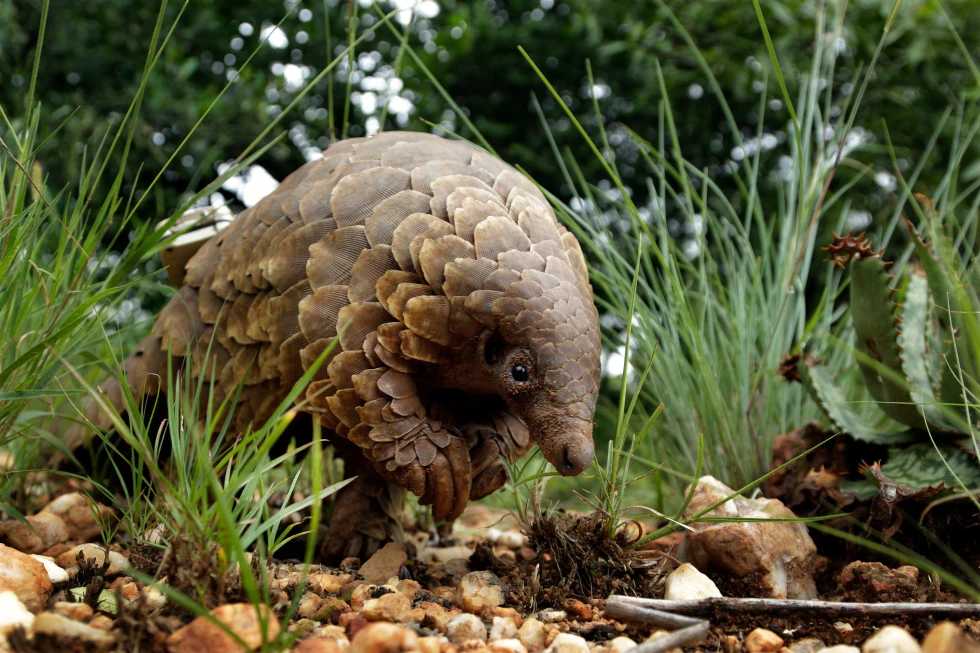
Hunted relentlessly for their unique scales, pangolins and their body parts are seized in anti-trafficking operations more than any other mammal.
A 2024 report from CITES, the global authority on endangered species trade, revealed that over half a million pangolins were confiscated from illegal traders between 2016 and 2024.
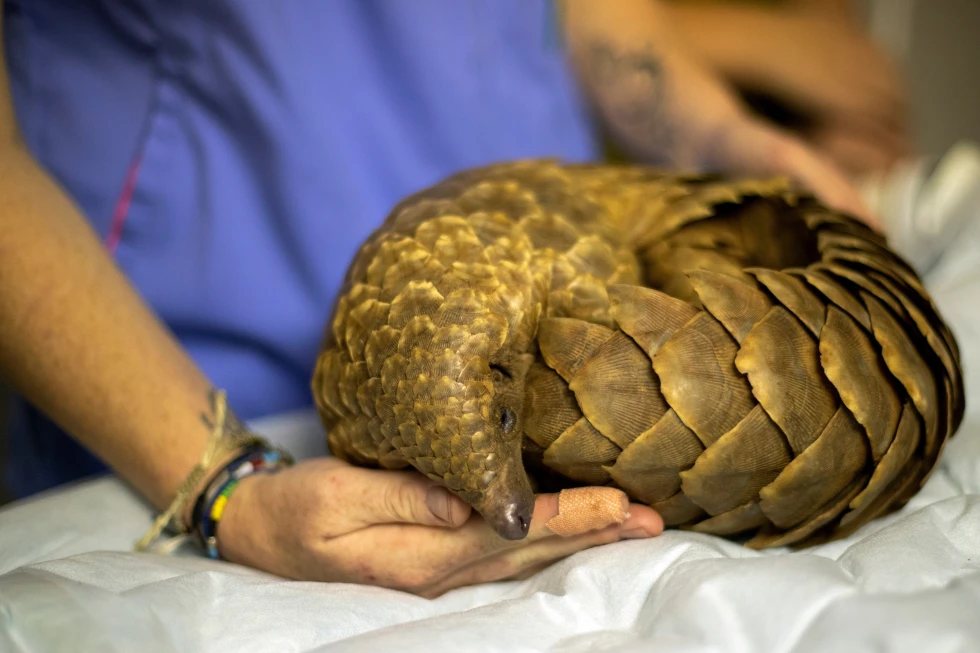
The World Wildlife Fund estimates the true figure is even more staggering, suggesting more than a million have been taken from the wild over the last decade.
While their meat is considered a delicacy in some regions, the primary driver of this devastating trade is their scales.
Composed of keratin—the same protein found in human hair and fingernails—the scales are in high demand across China and other parts of Asia.
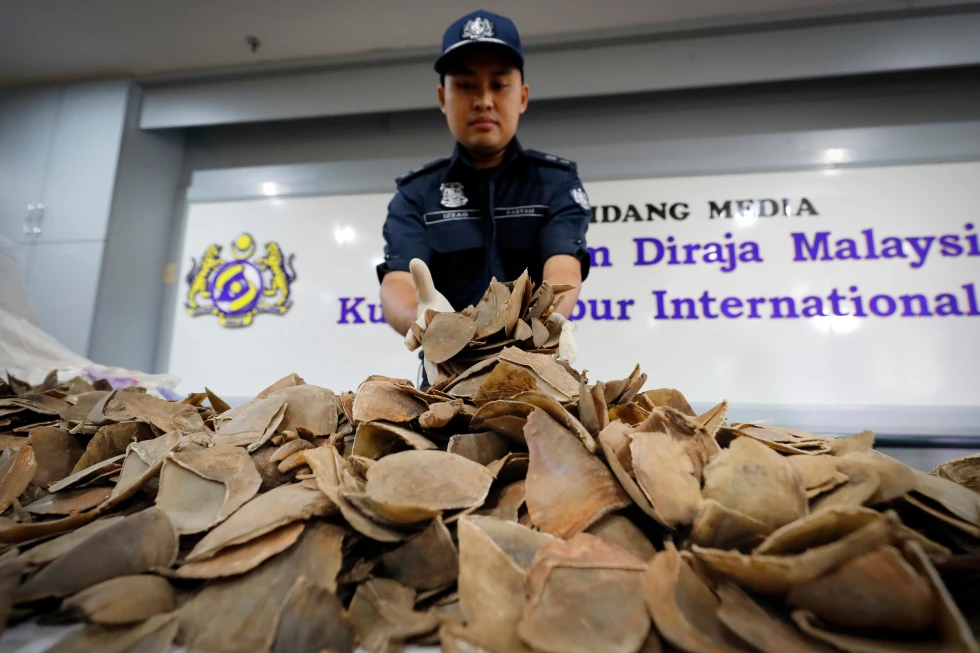
They are ground into traditional medicines despite the unproven belief that they can cure a range of ailments.
With eight species found across Africa and Asia, every single one now faces a high to extremely high risk of extinction.
By James Kisoo