The Hague, the Netherlands, 5 March 2026 — The Wildlife Justice Commission today launches Fighting Wildlife Crime: A Decade of Impact, a dynamic new multimedia web feature marking ten years of disrupting transnational organised crime and protecting endangered species.
A Decade of Impact: Fighting Wildlife Crime is a visually driven digital experience that brings the organisation’s work to life through compelling case highlights and defining milestones.
Combining powerful infographics, operational footage, and first-hand insights, it captures ten years of investigations, strategic policy engagement, and capability building.
The report showcases how intelligence-led investigations, undercover operations, and close collaboration with national law enforcement partners have translated evidence into action — leading to arrests, prosecutions, and convictions of wildlife traffickers.
Founded in 2015 at the height of Africa’s poaching crisis, the Wildlife Justice Commission was established with a clear and urgent mission: to dismantle the criminal networks trafficking wildlife, timber, and fish by turning evidence into accountability.
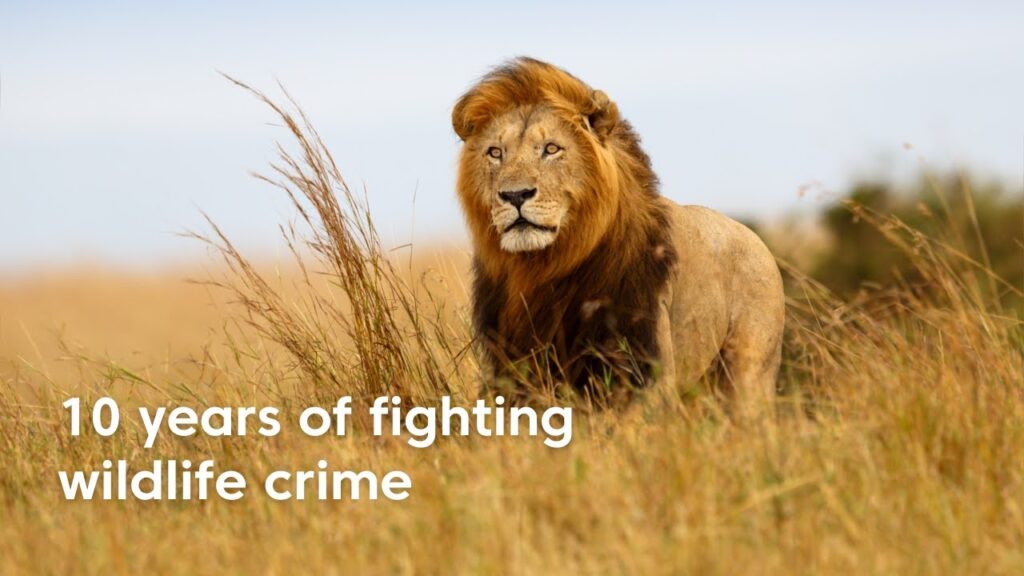
Over the past decade, the organisation has worked alongside law enforcement partners across multiple countries and continents to disrupt 104 criminal networks and support more than 355 high-level arrests — achieving a 100% conviction rate in cases concluded before the courts.
Beyond these courtroom outcomes, Wildlife Justice has played a critical role in disrupting major transnational trafficking networks operating across Africa and Asia, exposing the infrastructure, financial flows, and logistics that underpin the illegal trade.
These results demonstrate that targeted, intelligence-led enforcement delivers measurable impact — not only in arrests and prosecutions, but in making wildlife crime a higher-risk enterprise, reducing criminal capacity, and weakening the networks that profit from species extinction.
With the ability to deploy investigative teams within 24 hours and infiltrate the upper echelons of trafficking networks, Wildlife Justice’s model combines speed, agility, and precision — helping close the impunity gap that has long enabled wildlife traffickers to operate unchecked.
By Anthony Solly