By Andrew Kariuki
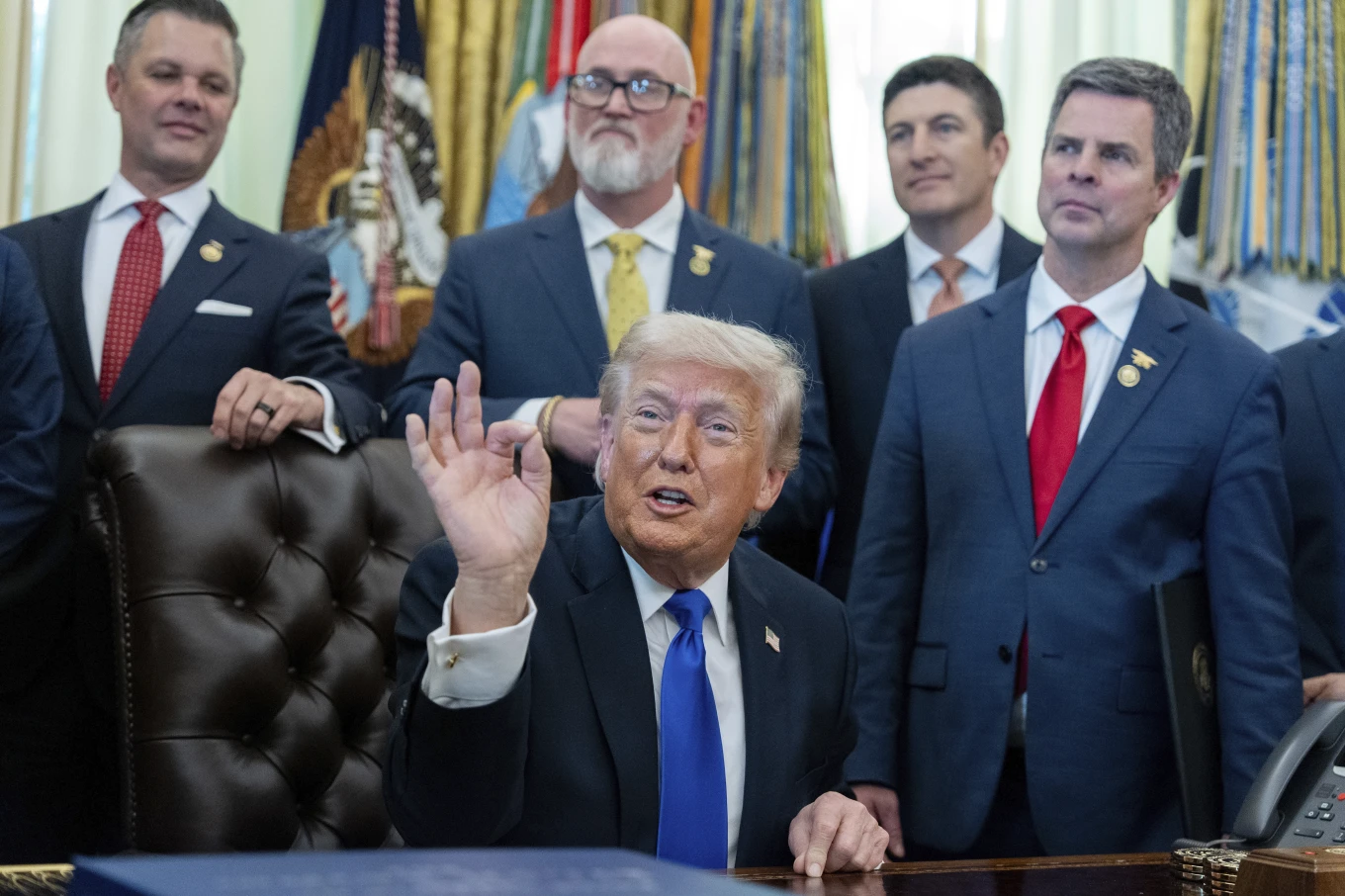
The administration of Donald Trump has declared that the war in Iran has effectively been “terminated,” citing a ceasefire that began in early April, even as geopolitical tensions in the region persist.
The position, communicated ahead of a May 1 deadline that could have required congressional approval for continued military engagement, allows the White House to argue that no further authorization is necessary.
Despite the ceasefire, Iran is reported to still maintain control over the Strait of Hormuz, a key global oil transit route, while U.S. naval forces continue a blockade aimed at restricting Iranian oil shipments.
The development comes as several Republican lawmakers who had earlier expressed concern over the war signaled that Congress might intervene by May 1. However, the deadline is expected to pass without legislative action, with many continuing to defer to the White House.
Meanwhile, U.S. Defense Secretary Pete Hegseth appeared before Congress for the first time since the conflict began, where discussions reflected sharp political divisions.
Republican lawmakers largely focused on military funding and expressed support for the operation, while Democrats raised concerns over the rising cost of the war, depletion of military resources, and reports of civilian casualties, including an incident involving the bombing of a school.
The situation remains fluid, with the ceasefire in place but underlying tensions unresolved, leaving uncertainty over the long-term stability of the region.