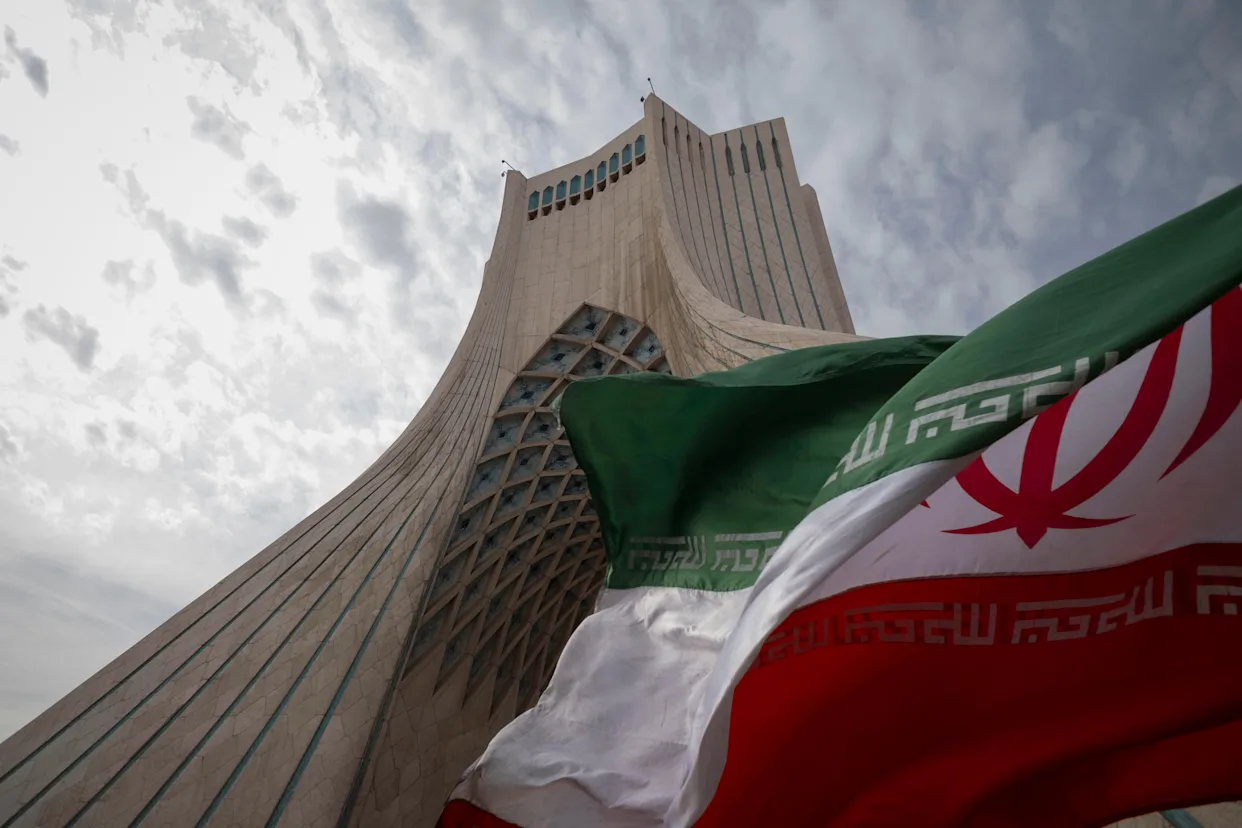
Ahead of the decision to launch military strikes on Iran, the Trump administration on Friday formally designated Iran as a state sponsor of wrongful detention.
The designation, announced by Secretary of State Marco Rubio, activates authorities created under an executive order signed in September that expanded the government’s ability to penalize countries accused of detaining Americans for political bargaining power. This is the first time a country has been formally labeled under that framework.
“For decades, Iran has continued to cruelly detain innocent Americans, as well as citizens of other nations, to use as political leverage against other states,” Rubio said in a statement. “This abhorrent practice must end.”
Under the new order, Rubio is empowered to impose a range of measures, including economic sanctions, export controls and visa restrictions targeting individuals or entities linked to wrongful detention policies.
The authorities are modeled in part on tools used in terrorism-related designations but are legally distinct. The United States has already designated Iran a state sponsor of terrorism since 1984, during the Reagan administration.
In addition to financial penalties, the executive order authorizes the State Department to impose travel restrictions on U.S. passport holders — potentially limiting or prohibiting travel to countries designated as sponsors of wrongful detention.
Officials previously described travel authorities as among the most powerful deterrents available, aimed both at protecting Americans from high-risk environments and increasing pressure on governments that detain U.S. nationals.
Imposing travel restrictions in Iran could raise obstacles to travel to the country by U.S. passport holders that are similar to those faced by travelers to North Korea. U.S. passports cannot be used in North Korea unless they are specifically validated for travel by the secretary of state.
By Anthony Solly