WASHINGTON
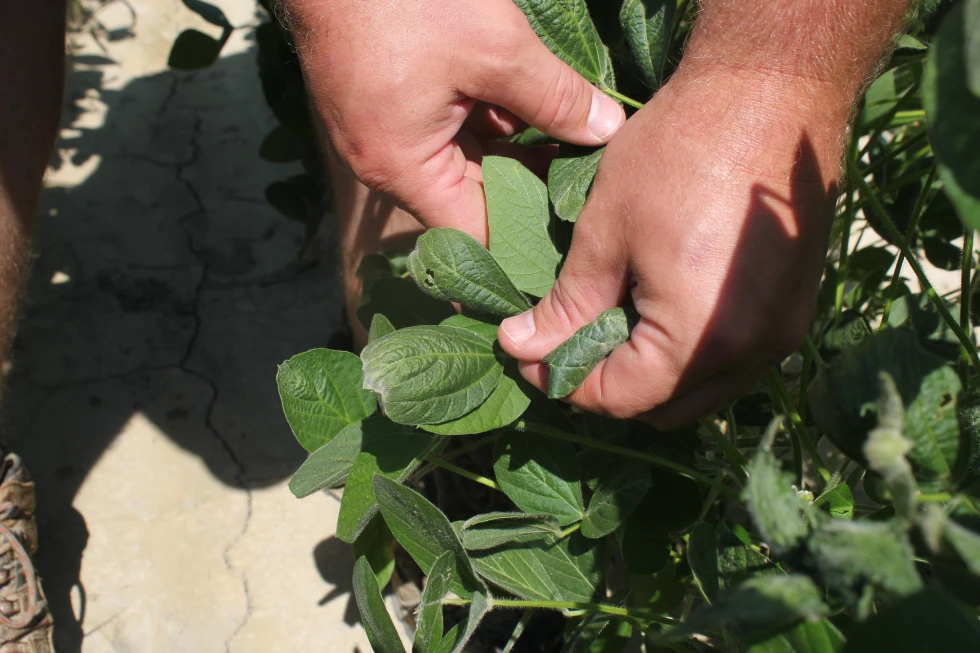
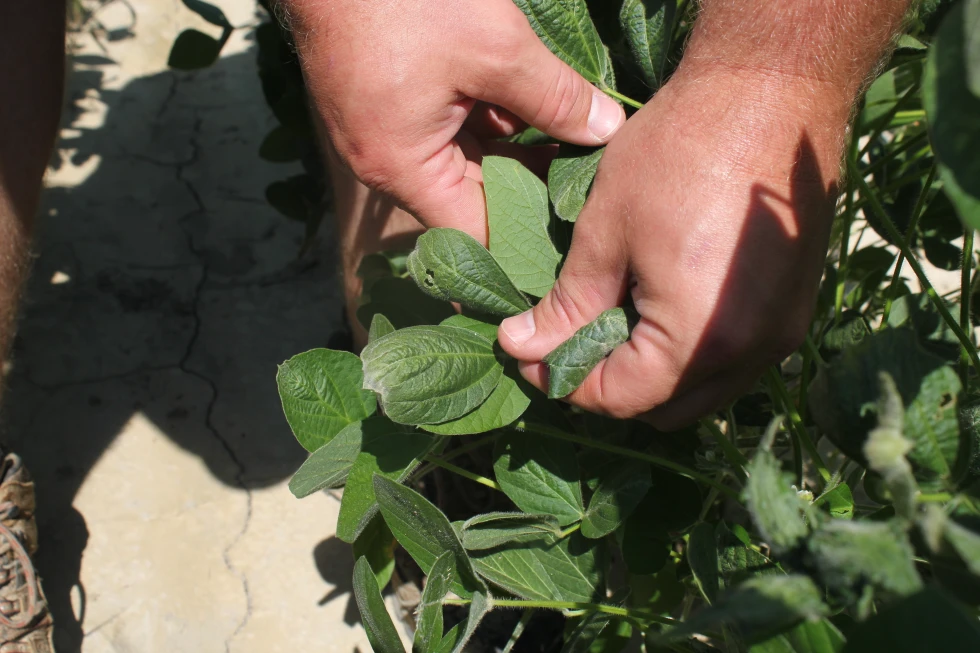
The Environmental Protection Agency on Friday reapproved the weed killer dicamba for use on genetically modified soybeans and cotton, extending the use of a pesticide known to drift from its target and damage neighboring crops.
The agency described the decision as critical for farmers battling fast-growing weeds, and said it had imposed “strong protections and limits” to ensure safe application.
Dicamba has been used for decades but saw a dramatic increase in use after crops engineered to resist it were introduced.
While it kills weeds without harming the modified plants, its volatility has sparked years of legal battles and widespread complaints from farmers whose orchards, vineyards, and vegetable fields have been injured.
The move drew sharp criticism from environmental and public health advocates.
They argue that reauthorizing the chemical for two of America’s most common crops will lead to a vast expansion in its use and increased harm, defying recent court rulings that blocked similar EPA approvals in 2020 and 2024.
“To see the administration move forward with this is disheartening,” said Kelly Ryerson, an activist with the group Make American Healthy Again, which has forged a fragile political alliance with the Trump administration on other issues.
“This decision directly contradicts their promises to listen to farmers and protect public health.”
By James Kisoo