By Kelly Were
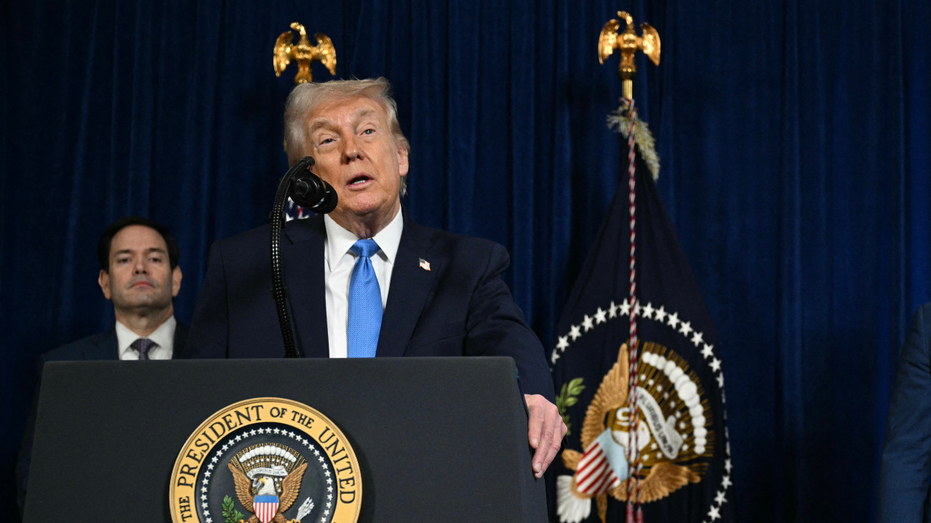
President Donald Trump has declared that the United States will take possession of up to 50 million barrels of Venezuelan oil, announcing a plan to sell the sanctioned crude and control the proceeds in the wake of Washington’s abduction of the South American nation’s leader, Nicolás Maduro.
The announcement, made via the president’s Truth Social platform on Tuesday, 7 January 2026, marks a dramatic escalation in US intervention following last week’s operation against the Venezuelan president. Trump stated that Venezuela would turn over between 30 and 50 million barrels of oil, which would be “sold at market prices”. He asserted that he would personally control the resulting revenues to ensure the money is used “to benefit the people of Venezuela and the US”.
“It will be taken by storage ships, and brought directly to unloading docks in the United States,” President Trump wrote, adding that he had directed Energy Secretary Chris Wright to execute the plan “immediately”. The move aligns with Trump’s earlier pledge to “take back” Venezuela’s vast oil reserves, the largest in the world, and to revive the country’s crippled energy industry with the help of US corporate investment.
Venezuela’s oil sector, once a powerhouse of global production, has been reduced to a fraction of its former capacity after two decades of decline under the socialist governments of Hugo Chávez and Nicolás Maduro. A combination of severe US sanctions, catastrophic underinvestment, rampant mismanagement and corruption has left the industry in tatters. Despite its immense reserves, the country is estimated to account for less than one per cent of global crude output.
The president has previously said that US oil companies stand ready to invest billions to rebuild Venezuela’s decrepit infrastructure. However, industry analysts are deeply sceptical of such a rapid turnaround, noting the scale of the challenge is monumental. According to an estimate by the Norway-based consultancy Rystad Energy, Venezuela’s oil sector would require a capital injection of approximately $110bn simply to return to its mid-2010s production level of about two million barrels per day, a process that could take years.
Further dampening prospects for swift, large-scale investment is a fraught history of expropriation and a current global market awash with oil. Under the late President Hugo Chávez, the industry was nationalised in 2007, leading to major international arbitrations. ExxonMobil and ConocoPhillips were awarded $1.6bn and $8.7bn respectively, awards which Caracas never paid. “Some market watchers are sceptical that US companies will commit large investments to the country, given there is an excess of oil in the global market, and considering the previous Hugo Chavez government’s expropriation of the companies’ assets,” the analysis notes, highlighting a significant commercial barrier beyond the immediate political upheaval.
The immediate plan to seize and sell Venezuelan crude appears to be a shorter-term measure, extracting tangible resources while the longer-term political and industrial future of the country remains intensely uncertain. The announcement offers no detail on what legal or commercial mechanism would govern the transfer of the oil, nor which entities in Venezuela have agreed to it following the removal of Maduro. It also raises profound questions about the disposition of state assets under what critics have labelled an illegal occupation.
The development leaves critical questions unanswered about the ultimate fate of Venezuela’s oil wealth and the future governance of the country. While the Trump administration frames the move as a step towards rebuilding Venezuela for the benefit of its people, the unprecedented control of another sovereign nation’s resources by a US president is likely to face intense legal scrutiny and geopolitical backlash.