Donald Trump has taken the extraordinary step of formally classifying fentanyl as a weapon of mass destruction, widening the scope of his administration’s aggressive campaign against illicit drugs and the networks that traffic them into the United States.
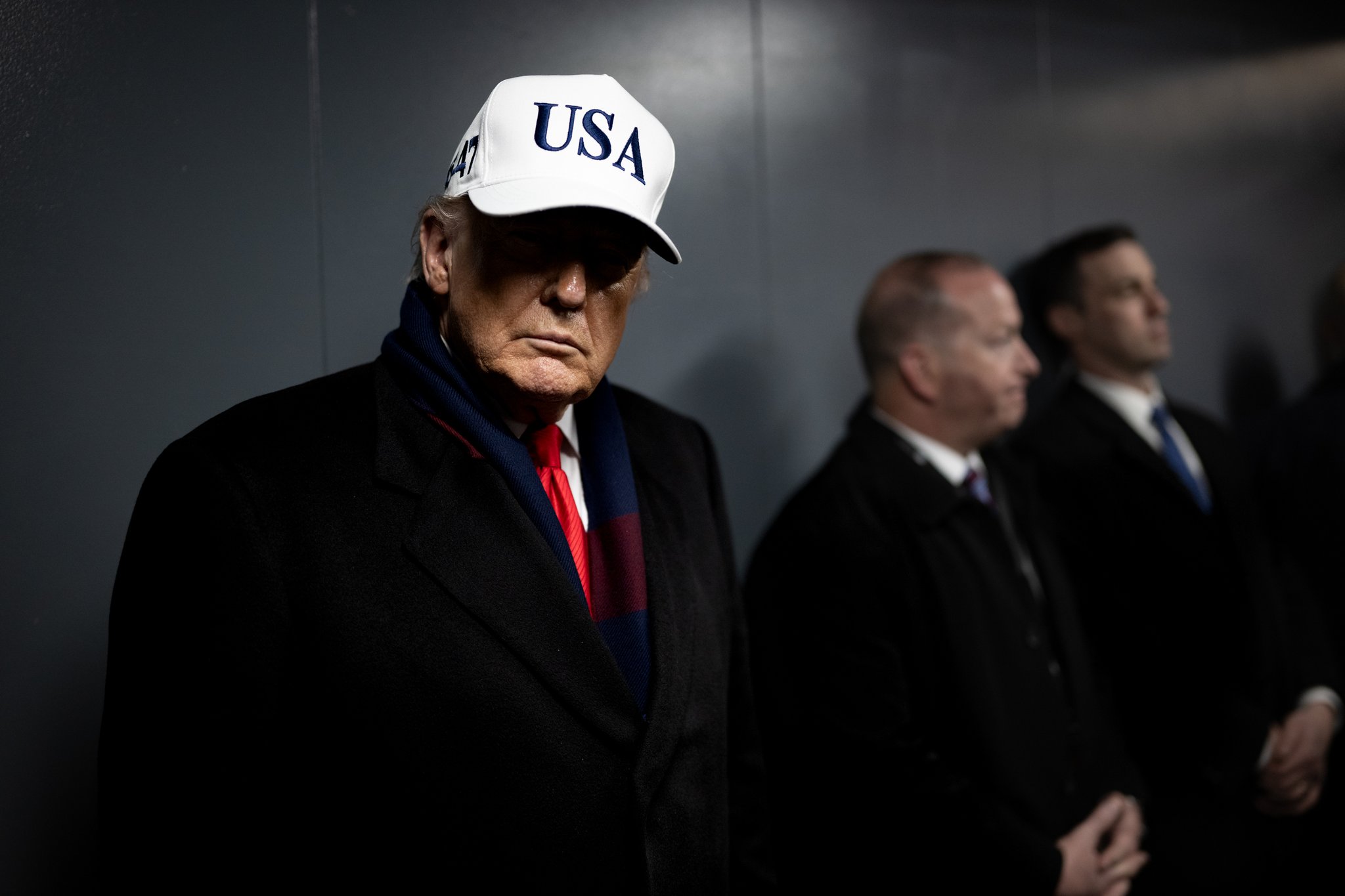
The designation was confirmed on Monday after the president signed an executive order in the Oval Office, declaring that the synthetic opioid posed a threat comparable to weapons traditionally associated with warfare. Citing the scale of overdose deaths, Trump argued that fentanyl’s impact surpassed that of conventional explosives. No bomb does what this is doing, he said, as he announced the new classification.
The order comes against the backdrop of an intensifying crackdown that has already included unprecedented airstrikes on suspected drug carrying boats in the Caribbean linked to Venezuela. It was signed on the same day Trump awarded medals to service members involved in securing the US Mexico border, underscoring how closely the administration now links drug trafficking to national security.
While the practical consequences of the designation remain unclear, the order instructs attorney general Pam Bondi to immediately pursue investigations and prosecutions connected to fentanyl trafficking. The state and treasury departments have been directed to identify and target assets, financial institutions and individuals believed to be involved in the trade.
It also tasks defense secretary Pete Hegseth with assessing whether the fentanyl threat warrants the use of Defense Department resources, while homeland security secretary Kristi Noem has been asked to identify smuggling networks in support of expanded counter fentanyl operations.
The order describes illicit fentanyl as closer to a chemical weapon than a narcotic, noting that just two milligrams can be fatal. According to the Centers for Disease Control and Prevention, more than 80,000 Americans died from fentanyl related overdoses in 2024.
Critics point out that weapons of mass destruction have historically referred to radiological, chemical or biological arms, not narcotics. Supporters within the administration argue the scale of harm justifies the language. Earlier this year, Trump designated several drug cartels as foreign terrorist organisations, a move officials say provides legal cover for the Caribbean strikes.
The escalation marks another moment where criminal enforcement, military power and political theatre converge, with consequences that may stretch well beyond the drug war.