Downtown Munich is best-known for chic shops and flashy fast cars but right now its streets are bedecked with posters advertising next generation drones.
“Europe’s security under construction” boasts the slogan on an eye-catching set of sleek black-and-white photographs, festooned across a scaffolding-clad church on one of this town’s best known pedestrian boulevards.
Such an unapologetic public display of military muscle would have been unimaginable here just a few years ago, but the world outside Germany is changing fast, and taking this country with it.
The southern region of Bavaria has become Germany’s leading defence technology hub, focusing on AI, drones and aerospace.
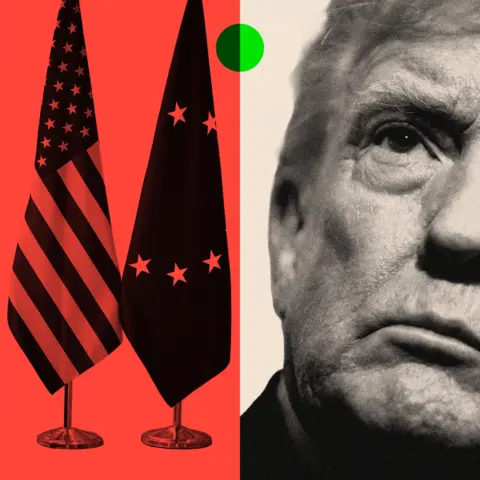
People here, like most other Europeans, say they feel increasingly exposed – squeezed between an expansionist Russia and an economically aggressive China to the east, and an increasingly unpredictable, former best pal, the United States, to the west.
According to a recent Eurobarometer poll, more than two-thirds of Europeans (68%) feel their country is under threat.
This autumn, Germany’s Federal Office of Civil Protection and Disaster Assistance warned for the first time since the Cold War that war is no longer “unlikely”. While emphasising that this is a safe country, it also recommends that Germans keep food supplies of three to ten days at home. Just in case.
Germany is the number one single donor of military and other aid to Ukraine, now that the US has halted any new direct aid. Opinion polls suggest voters here want to feel better protected at home too.
By Anthony Solly