WASHINGTON
As President Donald Trump escalates his aggressive and erratic trade policies, America’s closest allies are moving to shield their economies—and in some cases, shifting business toward China.
In a stark example, Canada broke with Washington on Friday, agreeing to slash its 100% tariff on Chinese electric vehicles in exchange for lower Chinese tariffs on Canadian agricultural goods like canola seeds.

“It’s a huge declaration of realignment in Canada’s economic relations,” said Edward Alden, a senior fellow at the Council on Foreign Relations. “The economic threat from the United States is now perceived by Canadians as far bigger than the economic threat from China. So this is a big deal.”
Canada has repeatedly been a target of Trump’s trade ire, facing threats like a proposed 10% tariff last fall in retaliation for a critical provincial ad. While that tariff wasn’t enacted, U.S. duties on key Canadian exports like steel and aluminum remain.

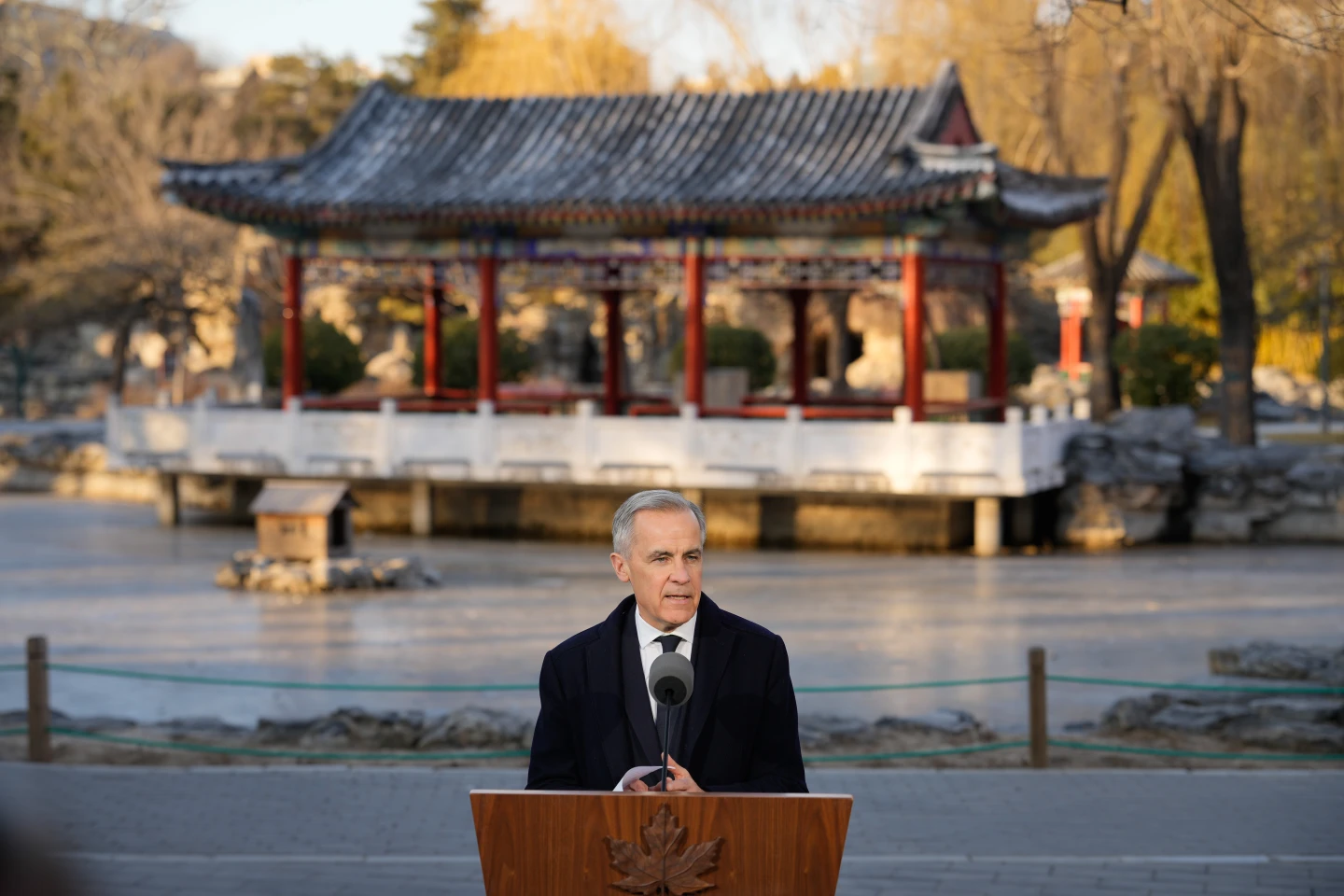
The new deal with China now places Canadian Prime Minister Mark Carney in a precarious position, risking Trump’s retaliation just as crucial negotiations over the North American trade pact are set to begin—a high-stakes gamble for Canada’s economic future.
By James Kisoo