On the second day of her stay at the Marriott Hotel in Sousse, Jannette Mensi waded into the swimming pool only to be told by hotel staff that she would have to get out due to her choice of swimwear — a burkini.
“I was shocked, my mind froze – I never thought this would happen to me in my own country,” said Mensi, 68.
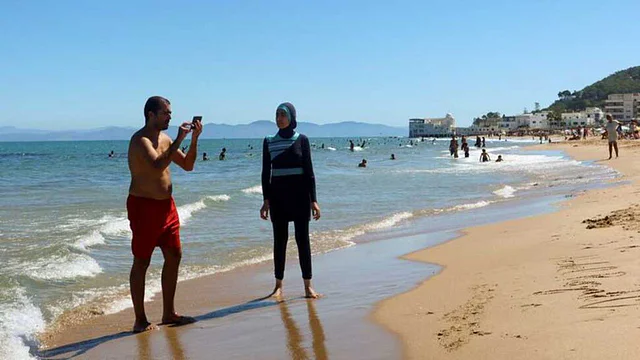
The burkini, which leaves only the face, hands and feet exposed, is worn by some Muslim women who wish to preserve their modesty and is commonly seen worn on beaches in Tunisia, a majority Muslim country.
But numerous high end hotels in coastal tourist towns have banned the swimwear from their pools – a policy that reflects enduring European, particularly French, influence in the country, as well as divisions between secular and conservative Tunisians.
On the website Tunisiabooking.com, at least 20 hotels advertise that the burkini is banned at their establishment.
For Mensi, who was informed she could only swim in the Marriot’s back pool, generally used by children, the ban discriminates against her as a Muslim woman.
“I respect, I accept next to me a lady with a bikini, or someone drinking wine… I respect them, they should respect me,” she said.
Following questions sent by Reuters, a spokesperson for the Sousse Pearl Marriott Resort & Spa apologised and said they would extend access to the main pool “to all adult guests, no matter the swimwear they choose.”