By Andrew Kariuki
Uganda’s Parliament has passed the controversial Protection of Sovereignty Bill, a law that has drawn sharp criticism from rights groups, journalists, and sections of the business community over concerns it could be used to suppress dissent.
The bill, passed on Tuesday night following a heated debate, introduces penalties for individuals or organisations deemed to be acting in the interest of foreign entities against Uganda’s national interests. Those found guilty under the law could face prison sentences of up to 20 years.
House Speaker Anita Among described the legislation as a major milestone, saying, “It is a historic bill.”
The law labels individuals receiving foreign funding as “agents of foreigners” and bars them from engaging in political activities seen to advance external interests, including sponsoring or funding such initiatives.
Proponents argue that the bill is intended to safeguard Uganda’s sovereignty. “This has been a monumental achievement,” said MP Kajwengye Twinomugisha Wilson of the ruling party.
However, the legislation has faced strong opposition both locally and internationally. Critics say it mirrors similar laws in countries like Russia, where such provisions have been used to restrict civil society and silence government critics.
Human Rights Watch warned that the bill “mimics” foreign agent laws used to target dissent and could be applied broadly due to its vague definitions. The organisation cautioned that it “could be used to shut down civil society” in Uganda.
Opposition lawmakers also raised concerns about the economic and political implications of the law. “The bill creates punitive sanctions regime, and has potential to hurt the economy,” said opposition MP Gilbert Olanya.
In response to earlier criticism, lawmakers introduced amendments before passing the bill. These included removing a clause that classified Ugandans living abroad as “foreigners” and exempting certain entities such as medical institutions, faith-based organisations, and academic or research bodies operating under approved frameworks.
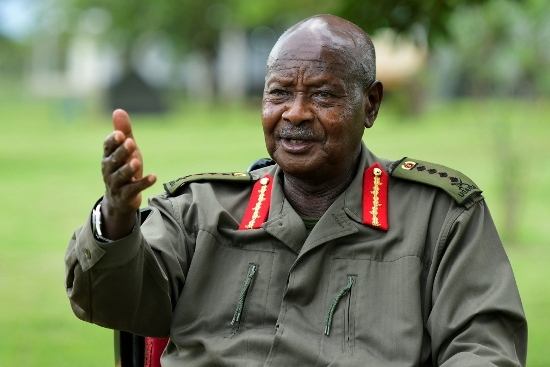
President Yoweri Museveni, who has ruled Uganda for nearly four decades, had also called for revisions to ensure the law does not disrupt capital flows, while maintaining support for measures aimed at limiting foreign political influence.
The passage of the bill comes against a backdrop of growing concerns over governance and political freedoms in Uganda. Museveni, 81, was re-elected in January in a contested election marked by an internet shutdown and a crackdown on opposition figures, including his main rival Bobi Wine.
Despite the controversy, the bill was approved by an overwhelming majority and now awaits further steps before becoming law.