







By Peter John
A new report by the United Nations has revealed that personnel serving under the Kenya-led Multinational Security Support (MSS) Mission in Haiti were implicated in four confirmed cases of sexual exploitation and abuse.
The findings, contained in a report by the UN Secretary-General, form part of a broader global assessment that documented 568 victims of sexual exploitation and abuse across UN-linked operations in 2025, including 158 children. The report describes such violations as a “fundamental betrayal of trust” placed in the UN and its partners.
Confirmed Cases Under Investigation
According to the report, all four allegations involving MSS personnel were substantiated following investigations by the Office of the United Nations High Commissioner for Human Rights.
The cases have since been referred to mission leadership, including the Gang Suppression Force and MSS command, for further action and remedial measures. However, most of the cases remain under review as authorities work to establish individual responsibility.
Kenya’s Role in Accountability
The UN emphasised that troop-contributing countries—including Kenya—bear primary responsibility for investigating allegations and prosecuting offenders.
While the UN continues to support oversight through its conduct and discipline frameworks, it reiterated that member states must ensure accountability through timely and transparent investigations.
Victims Reportedly Minors
Although the UN report did not disclose detailed identities, external reporting by the Miami Herald indicates that the victims were aged between 12 and 18 years, with all four cases classified as “violation corroborated.”
In one instance involving a 12-year-old, an internal investigation was reportedly conducted by the mission itself. Most cases are still listed as “pending” in terms of action taken.
Mission Background and Oversight Concerns
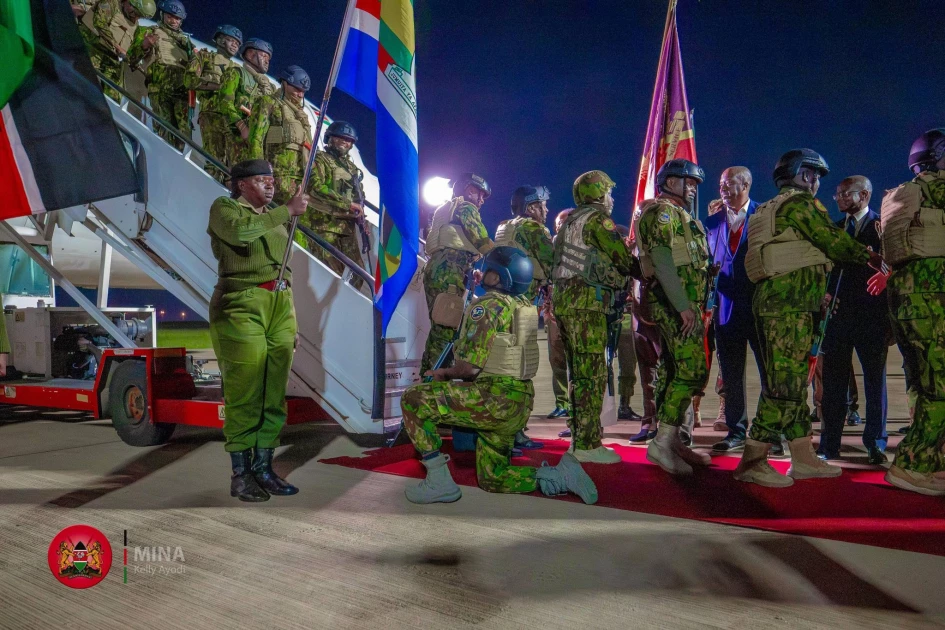
The Kenya-led MSS Mission was deployed to Haiti in 2024 following authorisation by the UN Security Council to help combat escalating gang violence. While backed by the UN, the mission operates as a non-UN force.
The UN noted that all personnel underwent pre-deployment and in-mission training aimed at preventing sexual exploitation and abuse. However, it warned that evolving peace operations—especially those involving non-UN forces—require stricter and more consistent oversight mechanisms.
Renewed Scrutiny on Peacekeeping Missions
The revelations add to longstanding concerns over misconduct by foreign security forces in Haiti, where previous UN peacekeeping missions have faced similar allegations.
The UN warned that sexual exploitation and abuse not only inflict lasting harm on victims but also undermine the legitimacy of international missions and erode trust among the communities they are meant to protect.
As investigations continue, the spotlight is now on Kenyan authorities and mission leadership to take decisive action and ensure accountability for those implicated.