The United States has formally completed its withdrawal from the World Health Organization (WHO), ending a 78-year relationship that saw Washington emerge as the agency’s largest financial contributor and one of its most influential global health partners.
The exit, which took effect this week, follows a decision by the administration of President Donald Trump, which accused the WHO of mishandling the COVID-19 pandemic, failing to implement critical reforms, allowing inappropriate political influence, and placing an unfair financial burden on the United States.
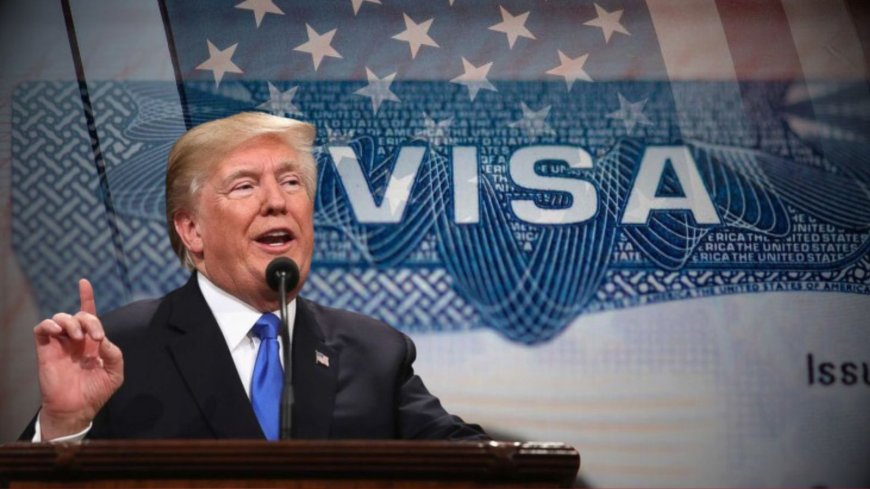
In a joint statement, U.S. officials said the withdrawal was necessary to “restore accountability” and protect American taxpayers, arguing that the WHO had “failed in its core mission” during the worst global health crisis in a century.
From Founding Member to withdrawal; The United States was a founding member of the WHO in 1948 and for decades played a central role in shaping global health policy, disease surveillance, vaccination campaigns, and emergency responses. U.S. funding accounted for hundreds of millions of dollars annually through mandatory contributions and voluntary programmes, often dwarfing contributions from other member states.
However, tensions peaked during the COVID-19 pandemic, when U.S. officials accused the WHO of delaying key warnings, praising China’s early response despite limited transparency, and allowing political considerations to override independent public-health judgment.
U.S. authorities said the WHO failed to enact promised governance and funding reforms even after repeated warnings, prompting Washington to initiate the withdrawal process last year.
WHO Reaction: “Deep Regret”
The WHO expressed deep regret over the U.S. decision, warning it would weaken global preparedness for future health emergencies.
WHO Director-General Dr. Tedros Adhanom Ghebreyesus said the loss of U.S. funding and expertise would have far-reaching consequences.”The world faces multiple overlapping health threats-from pandemics to polio, Malaria, and climate-driven disease out
‘‘The world faces multiple overlapping health threats — from pandemics to polio, malaria and climate-driven disease outbreaks,” Tedros said. “Global health security depends on cooperation, not fragmentation.”
He acknowledged that the withdrawal has already forced the organization to reduce staffing and scale back some operations, particularly in low-income and conflict-affected regions.
Public-health experts have strongly criticized the U.S. exit, warning it could undermine global disease surveillance systems and slow responses to emerging outbreaks.
Dr. Ronald Nahass, president of the Infectious Diseases Society of America, described the decision as “shortsighted and misguided.”
“Withdrawing from the WHO limits access to critical real-time data and coordination mechanisms that protect lives,” Nahass said. “Viruses do not respect borders, and neither should our public-health defenses.”
Experts also warn the move could disrupt global influenza monitoring systems used to develop seasonal vaccines and weaken eradication efforts against diseases such as polio and measles.
The U.S. withdrawal is expected to reshape global health governance, with analysts predicting increased influence for other major powers, particularly China, which has steadily expanded its role in multilateral institutions.
Some Western officials fear the absence of the United States will reduce pressure for transparency and accountability within the WHO, while others argue the agency may now tilt further toward the interests of states with fewer democratic safeguards.
Impact on Africa and Developing Regions
Health authorities in Africa and other developing regions have expressed concern that reduced WHO funding and coordination could hurt immunization campaigns, outbreak response, and health-system strengthening.
The Africa Centres for Disease Control and Prevention (Africa CDC) said the decision highlights the urgent need for sustainable, locally driven health financing but warned that global solidarity remains essential.
What Comes Next
The U.S. government says it will continue to engage in global health efforts outside the WHO framework through bilateral agreements, the Centers for Disease Control and Prevention (CDC), the National Institutes of Health (NIH) and partnerships with private institutions.
However, critics argue that no alternative platform currently matches the WHO’s reach, legitimacy and coordination capacity.
As the world faces rising risks from pandemics, antimicrobial resistance and climate-related health threats, many fear the U.S. exit could leave the global system more fragmented and less prepared for the next major crisis.
Whether Washington’s decision leads to meaningful reform of global health institutions — or weakens them at a critical moment — remains an open question with consequences far beyond U.S. borders.