The United States’ recent suspension and reduction of foreign aid has rippled across parts of Africa, fuelling humanitarian concerns and geopolitical unease in countries already battered by conflict, displacement and food insecurity. Analysts say these policy shifts, particularly affecting the Horn of Africa, reflect broader changes in Washington’s foreign assistance strategy and have immediate implications for millions of vulnerable civilians.
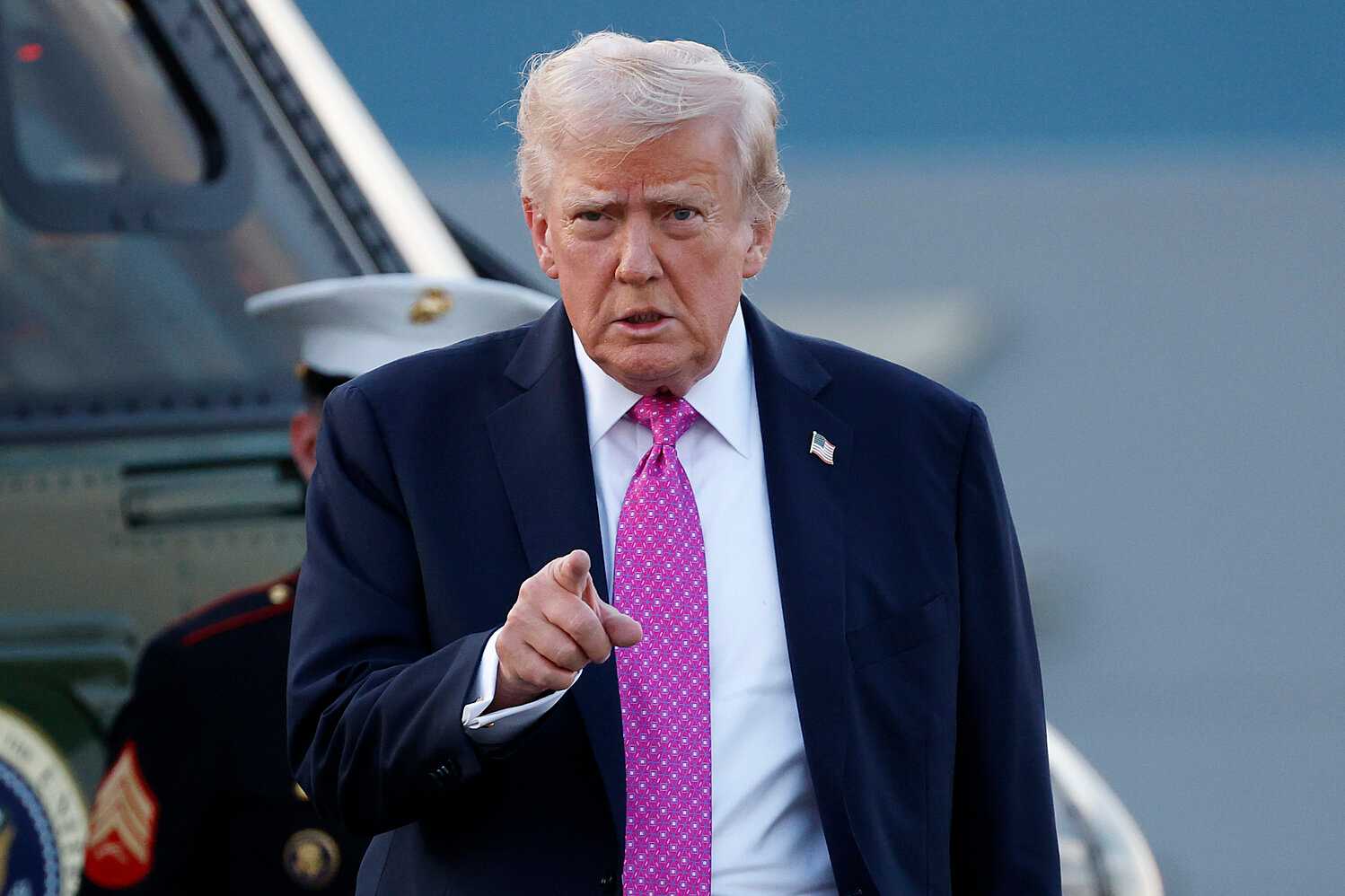
In early January 2026, the US State Department announced it had paused all assistance to Somalia’s federal government, accusing officials of destroying a US‑funded World Food Programme warehouse and seizing donor‑funded food aid destined for civilians. Washington said any future funding would depend on Somalia accepting accountability and corrective actions, a condition Mogadishu strongly disputes. Somali authorities maintain the warehouse demolition was linked to port expansion and redevelopment, not interference with aid distribution.
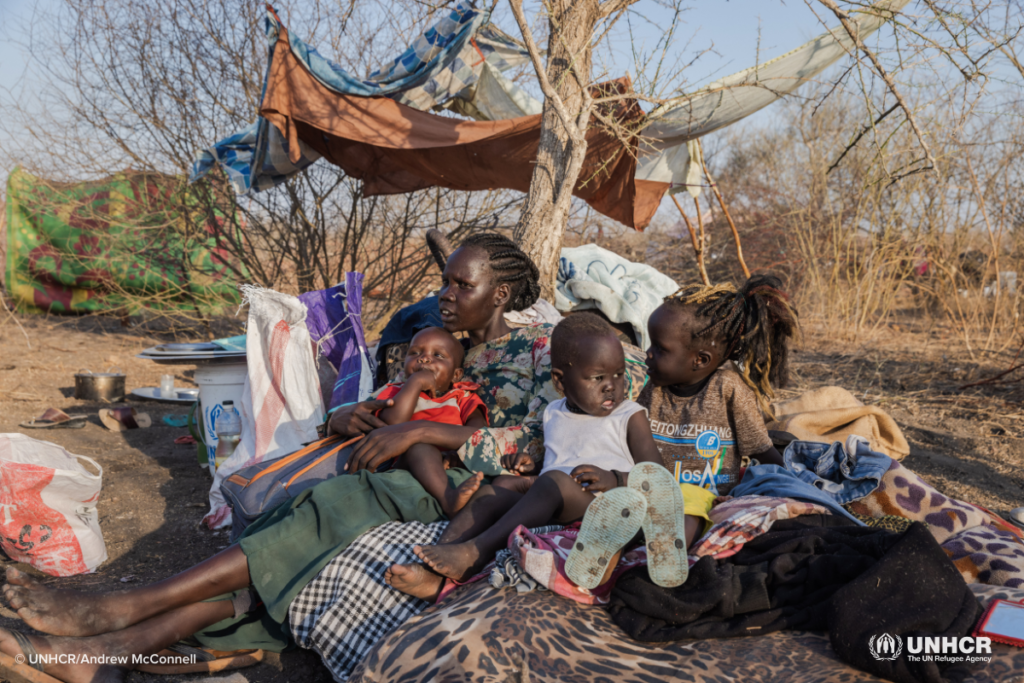
The move comes against a backdrop of declining humanitarian funding globally. In recent years, aid from major donors, including the US, has contracted sharply, forcing reductions in essential services such as food distribution, nutrition programmes and health support across crisis‑affected countries. In Sudan, where civil conflict has entered its third year, limited access for humanitarian groups and sharp cuts in international assistance have exacerbated hunger and displacement, particularly in Darfur and Kordofan.
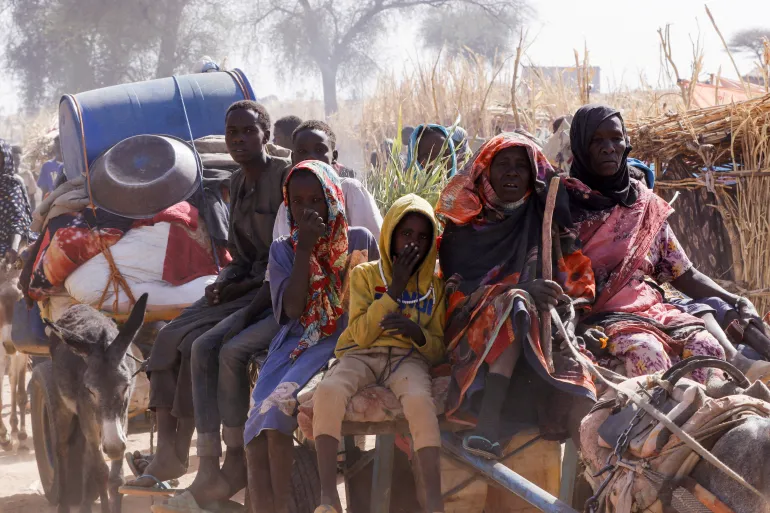
East African communities are already feeling the effects. Nations like Somalia and South Sudan, heavily reliant on foreign aid for basic services, face scaling back of critical interventions, including food security and nutrition programmes. Humanitarian organisations warn that funding shortfalls are increasing the risk of malnutrition and disease, especially among children and displaced populations.
Regional experts note that the shift in US policy is partly driven by a desire to realign foreign assistance with strategic interests, yet it also highlights the complex interplay between aid, governance and geopolitical priorities. Countries dependent on donor funding are being forced to seek alternative support from regional partners and multilateral institutions, often with limited success.
Critics argue that abrupt aid withdrawal without robust replacement mechanisms risks undermining hard‑won gains in health, education and food security, while advocates of fiscal restraint in donor capitals counter that accountability and efficient use of funds must be prioritised.
As Washington recalibrates its approach to foreign aid, governments, civil society groups and international agencies are calling for a more predictable and coordinated response that safeguards humanitarian principles. Without sustained support, experts warn, the most vulnerable, particularly children, women and displaced families, will bear the heaviest burden.
By Amos Murumba