By Bonface Mulyungi
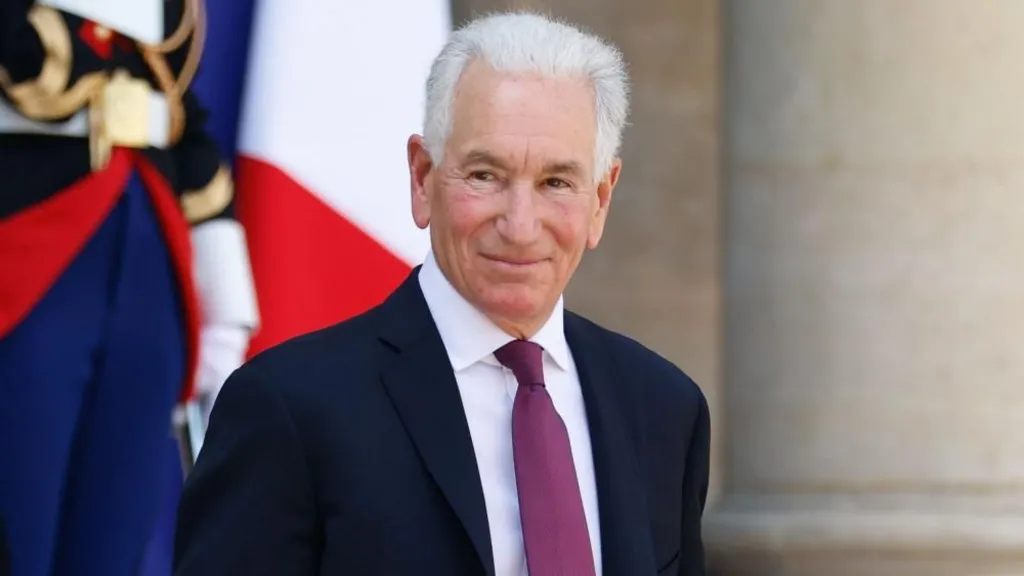
BBC -The US ambassador to France, Charles Kushner, has reportedly assured French Foreign Minister Jean-Noel Barrot he will not interfere in the country’s affairs, after he failed to explain claims France had seen a “rise” in violence.
The pair spoke by phone on Tuesday after Barrot blocked Kushner, father of Donald Trump’s son-in-law Jared Kushner, from access to ministers in response to the US envoy’s apparent snubbing of a summons on Monday evening over his comments.
On Monday, Kushner had cited a prior engagement and sent a deputy instead of answering the summon himself.
The pair have reportedly agreed to meet face-to-face in the coming days. Neither has spoken publicly about Tuesday’s talks.
“[Barrot] reiterated the reasons that had led to the summons: France cannot accept any form of interference or manipulation of its national public debate by the authorities of a third country,” a member of the foreign minister’s team told French media about Tuesday’s call.
“The ambassador took note and expressed his willingness not to interfere in our public debate.”
The diplomatic row began last week, when the US embassy in France posted comments on social media about the murder of far-right nationalist Quentin Deranque, warning that “violent left-wing extremism is on the rise” in France.
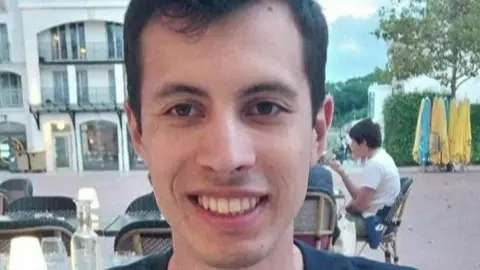
Deranque, a 23-year-old maths student, died in hospital on 14 February – two days after being beaten by a gang of masked young men in Lyon, in an attack which ministers from France’s centre-right government blamed on “far-left” militants.
The comments posted by the US embassy angered the French government, with Barrot saying over the weekend: “We reject any use of this tragedy, which has plunged a French family into mourning, for political ends.”
“We have no lessons to learn, particularly on the issue of violence, from the international reactionary movement.”
BBC News has approached the US embassy in France for comment.
Kushner’s failure to turn up on Monday worsened the situation, with the foreign ministry then accusing him of an “apparent failure to grasp the basic requirements of the ambassadorial mission”.
It said Barrot had requested Kushner “no longer be allowed direct access” to government ministers.
Prior to speaking to Kushner on Tuesday, Barrot told Franceinfo that his failure to answer his summons had been “a surprise”.
“When you have the honour of representing your country, the United States of America in France, as ambassador, you abide by the most basic customs of diplomacy and you respond to summonses from the foreign ministry,” said Barrot.
“We do not accept that foreign countries can come and interfere in, then insert themselves into, our national political debate, whatever the circumstances.”
It is not the first time Kushner has found himself in diplomatic hot water with the French government. Last year, he was summoned over what the foreign ministry said were unacceptable allegations of failing to tackle a surge in antisemitism.
Six men suspected of being involved in the fatal assault have been charged over Deranque’s death, while a parliamentary assistant for a deputy from the radical left France Unbowed (LFI) party has also been charged with complicity.
They were all members of, or close to, an organisation called La Jeune Garde (The Young Guard) which used to provide security for LFI before it was banned last year.
LFI leader Jean-Luc Mélenchon, who is a likely contender in next year’s presidential election, has said his party had “nothing to do with this story” and condemned “all forms of violence”.
“We express our consternation, but also our empathy and compassion for [Deranque’s] family and friends,” he said.
French President Emmanuel Macron held a meeting at the Élysée Palace on Tuesday, which he had earlier said would “assess all the violent action groups that are active and have links with political parties”.
Sources told French media after the meeting that the government had begun a process to close branches of La Jeune Garde that they suspected were trying to operate despite the ban.