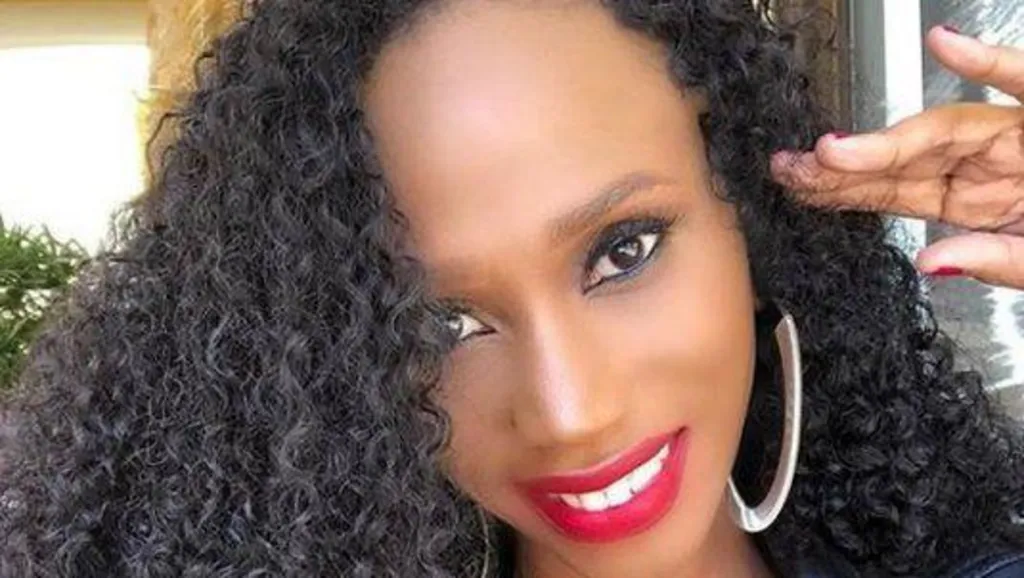
BBC – Prominent Tanzanian activist Mange Kimambi has accused the government of instigating the removal of her social media accounts that she has been using to mobilise Tanzanians against the government.
The former fashion model-turned-activist, who is based in the US, is an outspoken critic of President Samia Suluhu Hassan and had nearly three million followers on Instagram.
She has been accused of inciting the recent deadly election protests, sparking calls for her arrest.
A Meta spokesperson told the BBC that her Instagram accounts had been “removed for violating our recidivism policy”. Tanzania government spokesman Gerson Msigwa told the BBC that she should “provide proof of her claims”.
“We don’t allow people to create new accounts that are similar to those we’ve previously removed for violating our Community Standards,” said Meta, the parent parent company of Instagram, Facebook and WhatsApp.
In what is believed to be a reference to Kimambi last month, Tanzania’s Attorney-General Hamza Johari said it was “impossible” how “one person outside the country” was directing people through social media.
“[She is] just telling people to do such things [protest] and they actually go and do it and she starts boasting… We must arrest her,” he said.
Widespread protests followed the disputed 29 October elections, which Samia won with about 98% after her key opponents were unable to contest the poll – Tundu Lissu is detained on treason charges, while Luhaga Mpina was barred on technical grounds
The opposition and rights groups believe hundreds of people were killed in the crackdown by security officers in the aftermath. The government has not released any casualty figures.
Despite widespread international condemnation, Samia has since defended the use of force as “necessary” against protesters who “were ready to overthrow the government”.
On Monday, Samia said her government was ready to confront protesters in the fresh protests planned for Tuesday next week.
In an open letter on her X page – which is still available – addressed to US President Donald Trump on Thursday, Kimambi asks him to urge Meta to reinstate her pages.
“For months, I used my platforms to highlight these issues and consistently encouraged PEACEFUL protests, as many Tanzanians feel there is no safe alternative for expressing dissent,” she says.
Popularly known as dada wa taifa (sister of the nation), Kimambi built her influence primarily through her social media platforms and began her campaign against the Tanzanian government during the presidency of the late John Magufuli in 2016.
Two years later, she unsuccessfully attempted to mobilise nationwide protests against his government.
In 2021, she publicly switched her stance and backed Samia when she took office after Magufuli’s death, even though they are both from the CCM party that has governed Tanzania since independence. Kimambi even attended Samia’s first official visit to the US, where the two were photographed together.
However, that relationship later deteriorated, and Kimambi now uses the same platform to sharply criticise President Samia and her administration.
Her critics dismiss her political activism and accuse her of using offensive language when criticising the president and other top government officials.
Kimambi already faces charges of economic sabotage, which came up in court in Dar es Salaam on Thursday. The case was postponed to 28 January, with state prosecutors saying the matter was still under investigation.
She faces one count of money laundering in the case involving over $56,000 (£42,000) alleged to be proceeds of crime obtained about three years ago.
It is alleged that she acquired the money by working as a journalist without accreditation, and obtained payment through intimidation. The case was initially filed on 28 August, alleging that she had obtained the money in 2022.
In a post on her Instagram page before it became unavailable, she dismissed the case as “cooked”, adding that it “won’t change her views about the president”.
She said the case was linked to her account with a Tanzanian bank that held $40,000. She claimed her last transaction in the account was in 2023 and that it was frozen last year.
The government has not responded to the accusations that the charges are politically motivated and previously told the BBC to refer to the court case.
In many of her recent posts on Instagram, Kimambi has called on Tanzanians to resist the administration and turn up for protests, including the one planned for 9 December. She also shared images of the aftermath of the election protests.
The removal of Kimambi’s accounts come as the US says it is reviewing its relationship with Tanzania, citing growing concerns over democratic backsliding and human rights.
In a statement issued on Thursday by the Department of State, Washington accuses the Tanzanian government of repressing religious freedom and free speech, blocking US investment, and failing to prevent violence before and after the 29 October elections.
It says these actions have put American citizens, tourists, and US interests at risk and threaten decades of security and development cooperation.
“The future of our bilateral relationship will be based on the government’s actions,” says the statement.
The Tanzanian authorities have not yet responded.