By Peter John
The United States has successfully rescued the remaining crew member of a downed F-15 fighter jet in southern Iran, concluding what President Donald Trump described as one of the most daring search-and-rescue missions in recent military history.
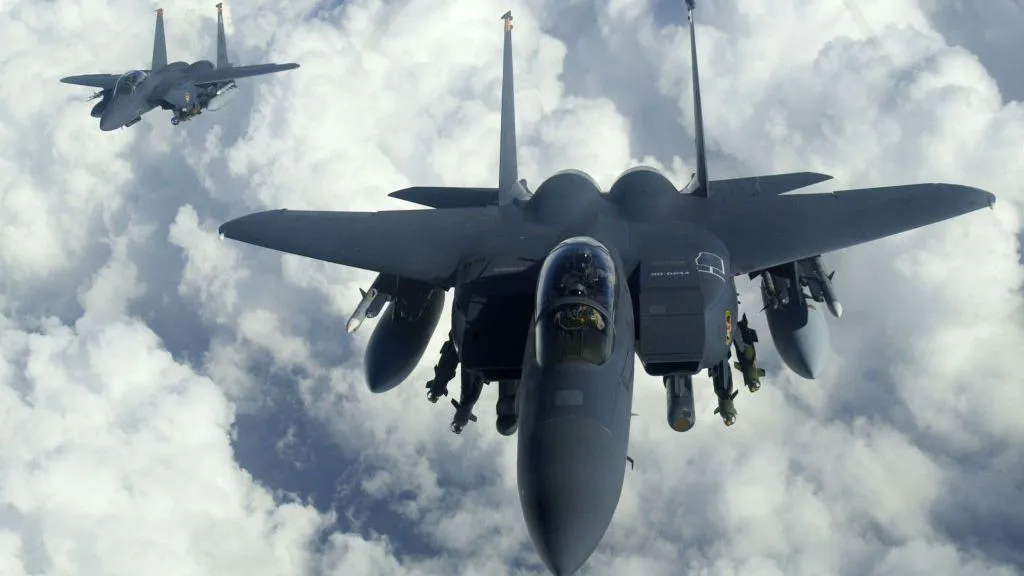
The fighter jet, identified as an F-15E Strike Eagle, was reportedly shot down on Friday by Iranian air defence systems. Two crew members were on board at the time, and both ejected safely before landing in hostile territory. One was rescued shortly after the incident, while the second remained missing for over 24 hours.
A Race Against Time in Hostile Territory
The rescue mission unfolded amid a tense race between U.S. and Iranian forces to locate the missing airman. According to U.S. officials, the operation involved dozens of special forces personnel and multiple aircraft, underscoring the complexity and risk involved in retrieving personnel from behind enemy lines.
President Trump announced the successful rescue on social media, stating the officer was “SAFE and SOUND,” though he later clarified the airman had sustained serious injuries.
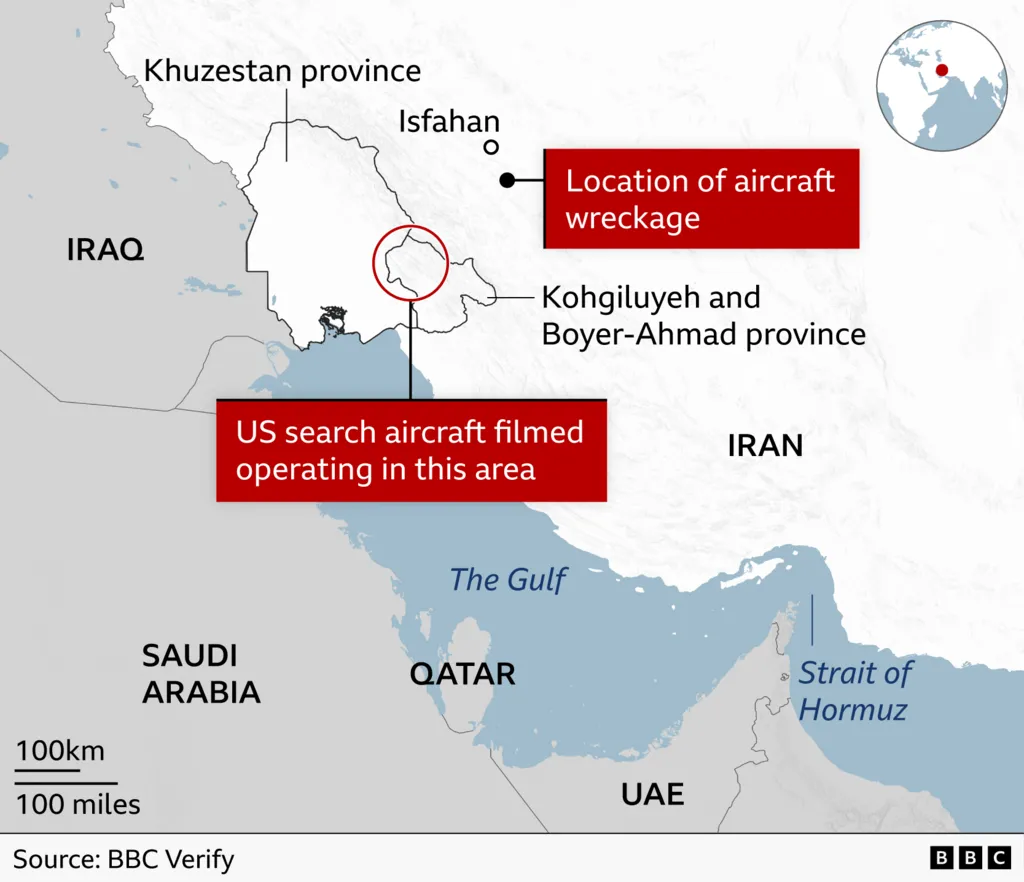
The mission reportedly took place in mountainous terrain in southern Iran, where the stranded officer had been evading capture. U.S. media reports indicate the airman survived by hiding in a mountain crevice and moving along a high-altitude ridge, demonstrating the extensive survival training undertaken by military personnel.
Intelligence and Deception Tactics
The Central Intelligence Agency is said to have played a key role in the operation by tracking the airman’s movements and relaying precise location data to the Pentagon.
Reports suggest the agency also conducted a deception campaign, spreading false information within Iran that the airman had already been rescued. This tactic may have helped reduce the risk of interception during the actual extraction.
Throughout the ordeal, U.S. officials monitored the officer’s position continuously while planning the operation, ensuring the rescue team could act at the optimal moment.
How the Rescue Was Carried Out
Combat search and rescue (CSAR) missions are among the most dangerous military operations. They typically involve helicopters flying at low altitude into hostile territory, supported by fighter jets and surveillance aircraft.
In this case, the U.S. reportedly deployed numerous aircraft into Iranian airspace to secure the area and extract the downed crew member. Despite the risks, President Trump claimed the operation was completed without any American fatalities.
Following the rescue, the injured officer was transported to Kuwait for medical treatment.
Conflicting Claims and Escalating Tensions
Iranian officials maintain that their forces successfully shot down the U.S. jet using advanced air defence systems. State media also reported that a U.S. drone involved in the search effort was destroyed by the Islamic Revolutionary Guard Corps.
Earlier, Iranian authorities had announced efforts to locate the missing American alive and even offered rewards to civilians for information.
The exact location of the crash remains unclear, though Iranian media cited provinces including Kohgiluyeh and Boyer-Ahmad, as well as Khuzestan.
The Aircraft and Its Mission
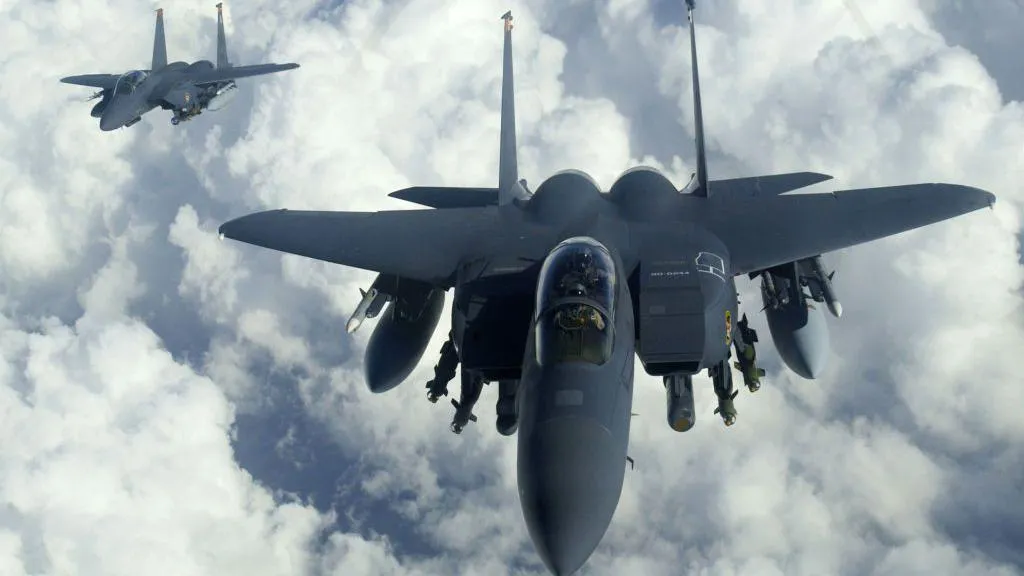
The F-15E Strike Eagle is a dual-role aircraft capable of both air-to-air combat and precision ground strikes. It carries two crew members: a pilot and a weapons systems officer, commonly known as a “Wizzo.”
While the precise mission of the downed jet has not been confirmed, such aircraft are often deployed in defensive operations, including intercepting drones and cruise missiles, or conducting precision strikes.
Military analysts suggest that if Iranian forces were responsible for the downing, a surface-to-air missile system is the most likely cause.
A High-Stakes Military Moment
The successful rescue highlights both the capabilities and risks of U.S. military operations in contested environments. It also underscores the intensity of current tensions between Washington and Tehran, with both sides offering sharply different narratives about recent incidents.
As more details emerge, the incident is likely to raise further questions about military engagement, escalation risks, and the fragile balance of power in the region.