The United States has placed eight African nations under its highest travel warning, urging its citizens not to travel to the countries due to security concerns.
The African countries currently under the Level 4 advisory are Burkina Faso, Central African Republic (CAR), Libya, Mali, Niger, Somalia, South Sudan, and Sudan.
In a statement on Wednesday, February 11, the U.S. Department of State’s Bureau of Consular Affairs said the Level 4 classification is the most severe warning issued to American travelers.
“We issue travel advisories with Levels 1 – 4. Level 4 means Do Not Travel. We assign Level 4 based on local conditions and/or our limited ability to help Americans there. These places are dangerous. Do not go for any reason,” the statement read.
Beyond Africa, several other countries around the world are also under the advisory, including Afghanistan, Belarus, Burma (Myanmar), Haiti, Iran, Iraq, Lebanon, North Korea, Russia, Syria, Ukraine, Venezuela, and Yemen.


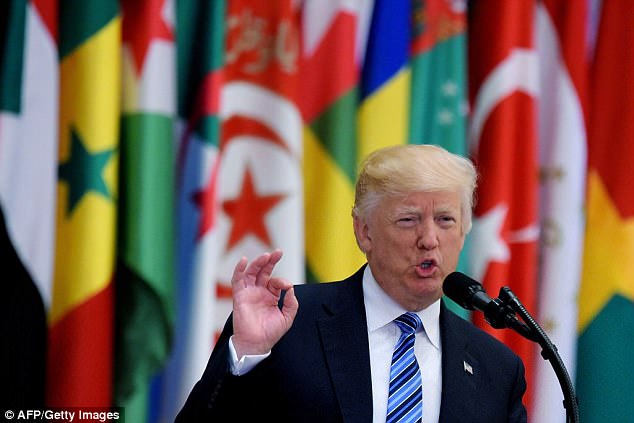
This comes weeks after President Donald Trump signed a proclamation imposing travel restrictions on nationals from multiple countries, with Tanzania among 15 nations that faced new partial entry limitations based on security and immigration compliance concerns.
Tanzania was placed under partial restrictions primarily due to its significant visa overstay rates, which demonstrated non-compliance with United States immigration laws.
According to the official Overstay Report, Tanzania recorded a B-1/B-2 visa overstay rate of 8.30 percent and an alarming F, M, and J visa overstay rate of 13.97 percent, figures that raised red flags for U.S. immigration authorities.
The partial restrictions on Tanzania were part of a broader effort by the Trump administration to address what it described as persistent deficiencies in screening, vetting, and information-sharing that posed potential national security and public safety threats to the United States.
The proclamation continued full restrictions and entry limitations on nationals from the original 12 high-risk countries established under the previous Proclamation 10949.
These nations, Afghanistan, Burma, Chad, the Republic of the Congo, Equatorial Guinea, Eritrea, Haiti, Iran, Libya, Somalia, Sudan, and Yemen, remained subject to the strictest entry controls.
The new proclamation significantly expanded the list of countries that faced complete entry bans.
Five additional nations were added to the full restrictions category based on recent security analysis, namely Burkina Faso, Mali, Niger, South Sudan, and Syria.
Additionally, individuals holding Palestinian Authority-issued travel documents faced full restrictions and entry limitations under the new proclamation.
Two countries that had previously been subject to only partial restrictions were upgraded to full restrictions with comprehensive entry limitations; Laos and Sierra Leone.
Four countries from the original proclamation continued to face partial restrictions: Burundi, Cuba, Togo, and Venezuela.
Besides Tanzania, the new countries that faced partial restrictions included Angola, Antigua and Barbuda, Benin, Cote d’Ivoire, Dominica, Gabon, The Gambia, Malawi, Mauritania, Nigeria, Senegal, Tonga, Zambia, and Zimbabwe.