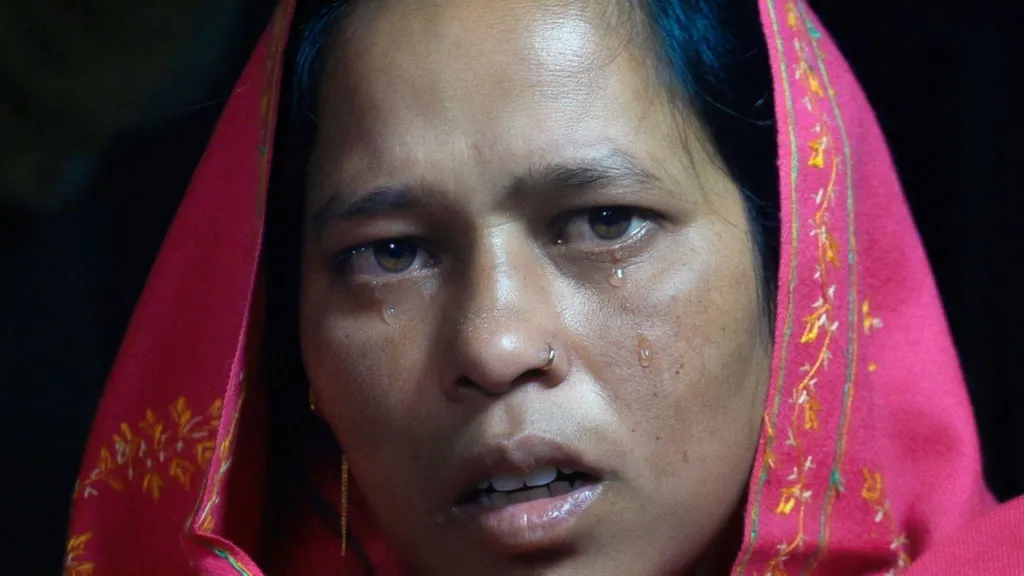
The ordeal began in Delhi, where domestic worker Sunali Khatun, 25, was detained with her husband and eight-year-old son. Authorities suspected they were illegal immigrants from Bangladesh and deported them in June.
“I was scared that my child’s nationality would change if he was born in Bangladesh,” says Ms. Khatun, now heavily pregnant, after finally returning to India this month.
Upon arrival in Bangladesh, authorities jailed the family for unlawful entry. Her case sparked national headlines and fierce criticism from her home state of West Bengal, whose government accused the federal Bharatiya Janata Party (BJP) administration of a wrongful deportation.
Ms. Khatun is among hundreds recently caught in a crackdown. While Delhi provides no official data, Bangladeshi officials told the BBC that in May alone, over 1,200 people were “illegally pushed in,” a figure echoed in local Indian media reports.
These deportations target a long-standing, complex reality. India and Bangladesh share a 4,096km porous border and deep cultural ties, with Bengali spoken on both sides.
For decades, people have crossed for work or to flee persecution. However, rights activists allege the recent campaign specifically targets Bengali-speaking Muslims and is being carried out without due legal process, raising alarming questions about identity, belonging, and state overreach in India.
By James Kisoo