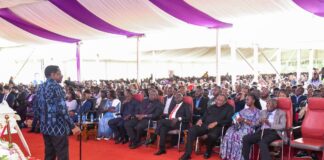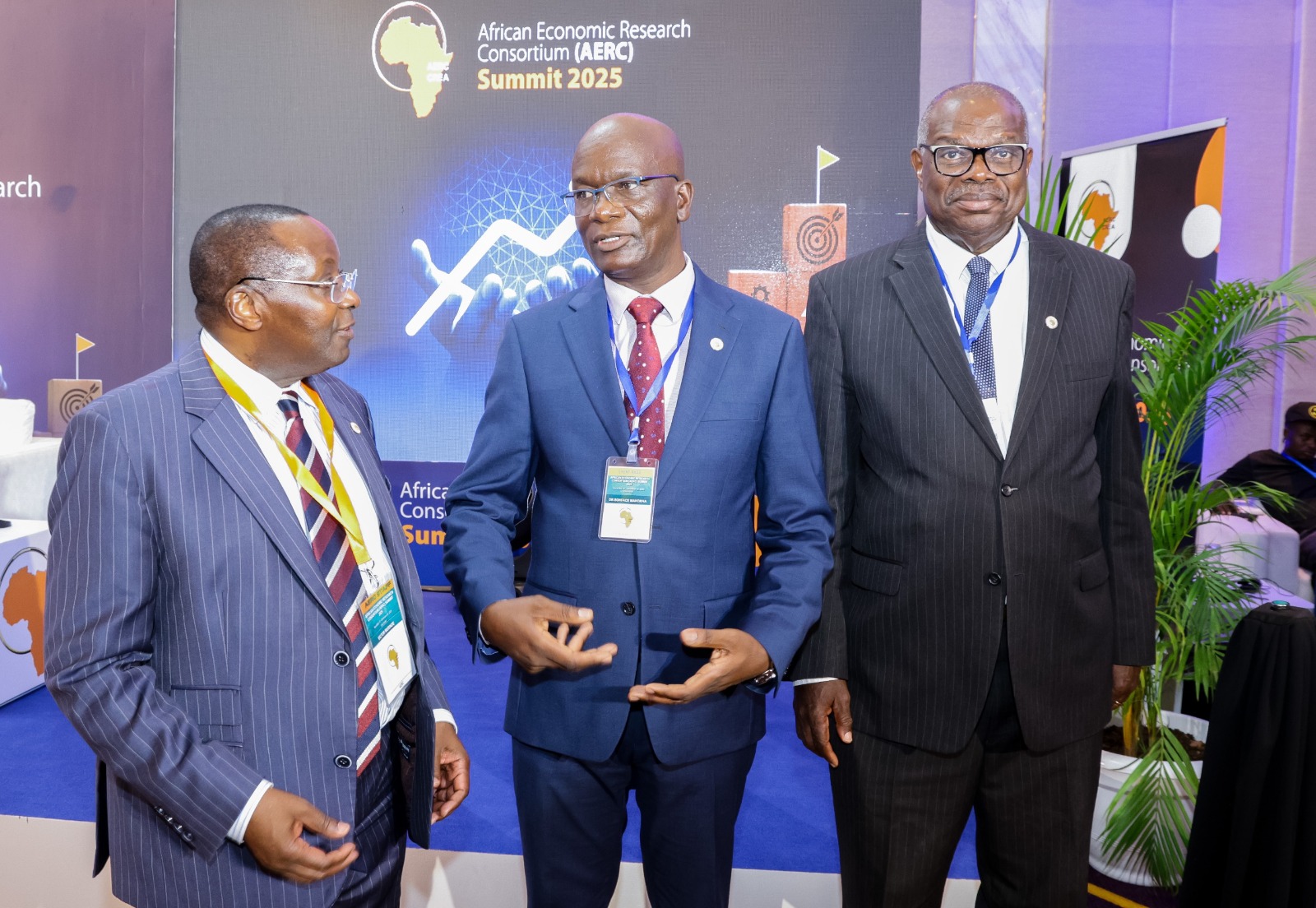
African nations must break free from decades of foreign-prescribed development models and craft their own path to prosperity, Treasury Cabinet Secretary John Mbadi declared on Saturday as the African Economic Research Consortium opened its three-day policy summit in Nairobi.
Speaking through Principal Secretary Bonface Barasa Makokha, Mbadi told hundreds of economists, central bank governors and private sector leaders that aid had too often acted as “a leash rather than a lifeline”.
Kenya, he insisted, was rich in talent, land and entrepreneurial energy. “What we need is not more aid, but more courage to harness what we already have,” he said.
The summit, themed “A Renewed AERC for Africa’s New Development Priorities”, coincides with the launch of the consortium’s ambitious 2025-2035 strategy and a new African Private Sector Platform designed to link researchers directly with business.
AERC executive director Prof Victor Murinde said the gathering marked a deliberate pivot toward home-grown solutions for macroeconomic stability, climate resilience and digital growth. Board chair Prof Ernest Aryeetey described the private sector platform as a bridge to turn evidence into investment and jobs.
Central bank governors from South Africa, Uganda, Zambia and the Central African States joined a high-level roundtable on policy coordination amid global shocks. Parallel sessions will showcase fresh research on trade, labour markets and green finance.
Established in 1988, AERC has trained hundreds of African PhD economists and influenced policy from Addis Ababa to Cape Town. Delegates said the refreshed mandate comes at a pivotal moment, with the continent’s creative and digital economies expanding fast yet still shaped too heavily by external narratives.
As one young researcher put it: “We are no longer asking permission to grow. We are designing the blueprint ourselves.”
The summit runs until Tuesday.