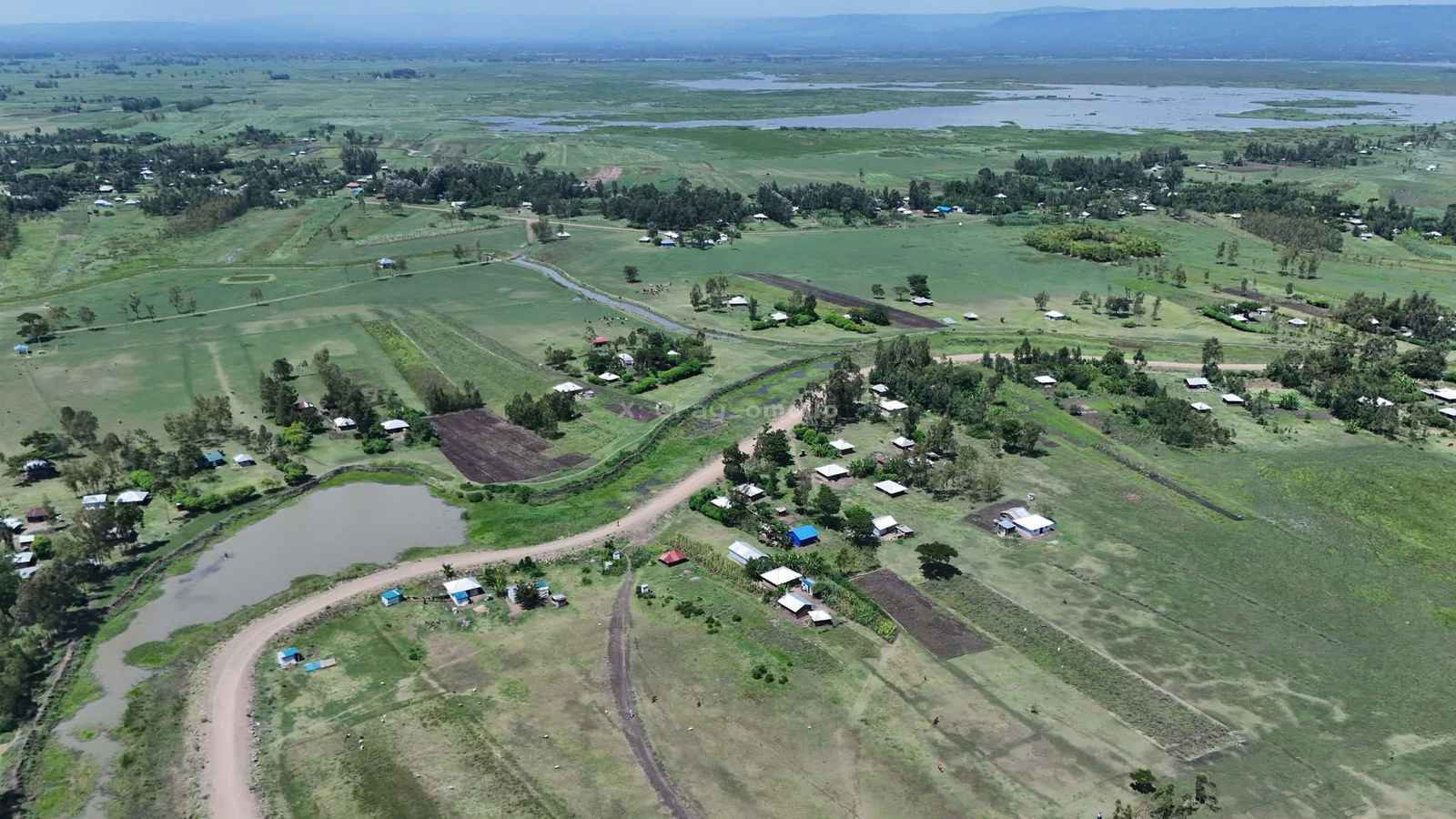
For decades, residents of the Kano Plains in Kisumu County have lived under the constant threat of devastating floods caused by River Nyando overflowing its banks and backflows from Lake Victoria.
Homes were regularly submerged, crops destroyed, schools cut off and families displaced, forcing many to depend on emergency relief assistance.
Today, that reality is beginning to change as the Government implements long-term flood mitigation measures designed to protect lives, livelihoods and critical infrastructure across the region.
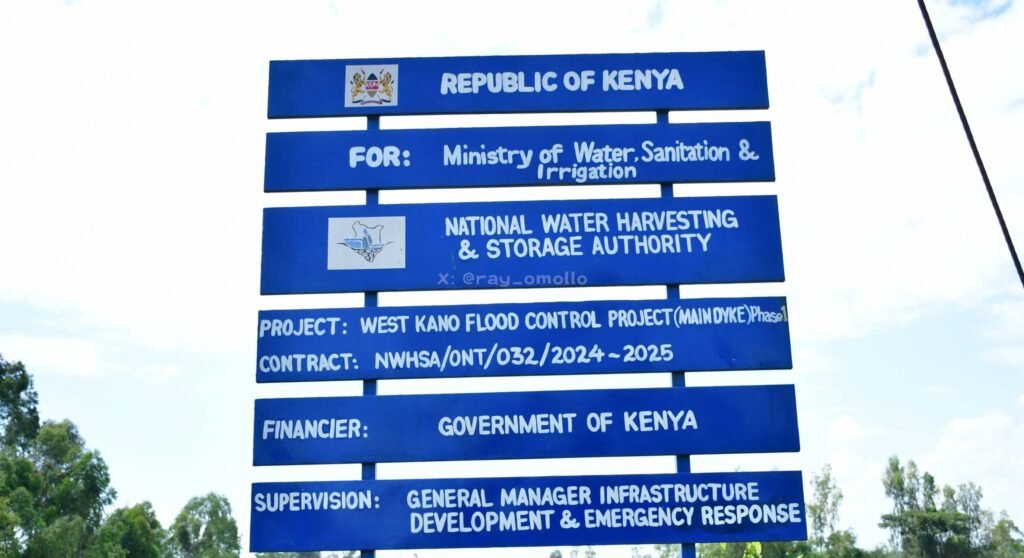
At the heart of these efforts is the West Kano–Kanyagwal Flood Control Project, a major infrastructure initiative being implemented by the National Water Harvesting and Storage Authority (NWHSA) in Kadibo Sub-county.
Principal Secretary for Internal Security and National Administration Dr. Raymond Omollo said the project demonstrates the Government’s commitment to delivering lasting solutions to communities that have suffered repeated losses due to flooding.
“For many years, families across the Kano Plains have endured recurring disasters that disrupted livelihoods and hindered development. This project represents a transformative investment that will protect communities and create opportunities for sustainable economic growth,” said Dr. Omollo.
Reclaiming 7,000 Hectares of Productive Land
The project is reclaiming nearly 7,000 hectares of flood-affected land through a comprehensive package of interventions that include the construction of a 3.5-kilometre flood protection dyke, rehabilitation of drainage systems, installation of high-capacity pumping infrastructure and environmental restoration measures.
Large-scale grass planting and tree-growing initiatives are also being undertaken to stabilise vulnerable sections of the landscape and reduce future environmental degradation.
According to Dr. Omollo, the integrated approach reflects the Government’s broader strategy of investing in preventive infrastructure rather than responding to disasters after they occur.
“Our focus is on building resilience. We are investing in infrastructure that addresses the root causes of flooding while ensuring communities are better prepared to withstand future climate-related challenges,” he said.
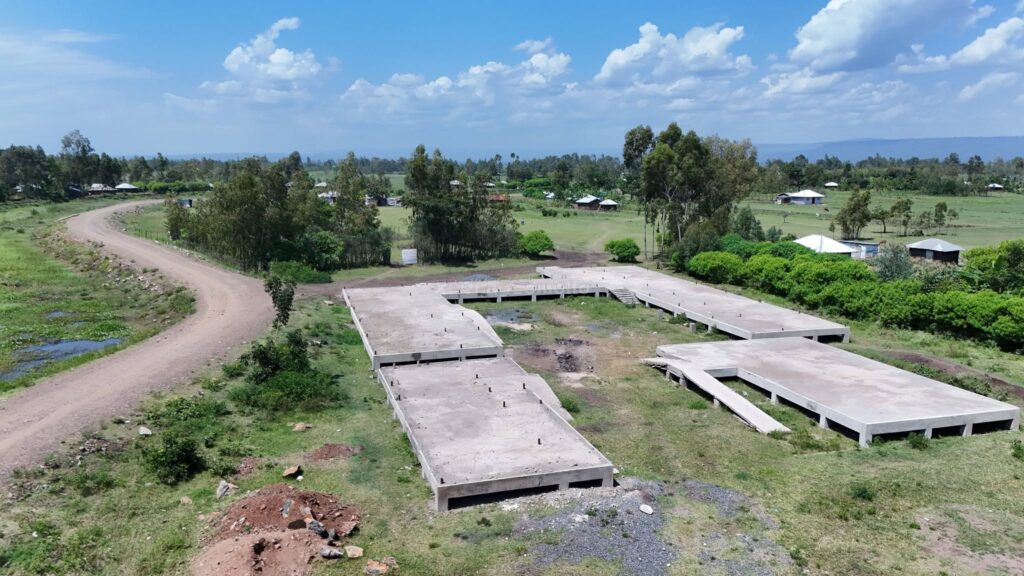
Protecting Farmers and Strengthening Food Security
A major beneficiary of the project is the 2,230-acre West Kano Irrigation Scheme, which supports nearly 1,000 farmers who have for years experienced significant crop losses due to flooding.
The flood control infrastructure is now providing protection for agricultural land, allowing farmers to increase productivity and invest confidently in their farming activities.
Dr. Omollo noted that securing agricultural production is critical to improving household incomes and strengthening food security in the region.
“Agriculture remains the backbone of the local economy. By protecting irrigation infrastructure and reducing crop losses, we are helping farmers become more productive while supporting food security and economic stability,” he said.
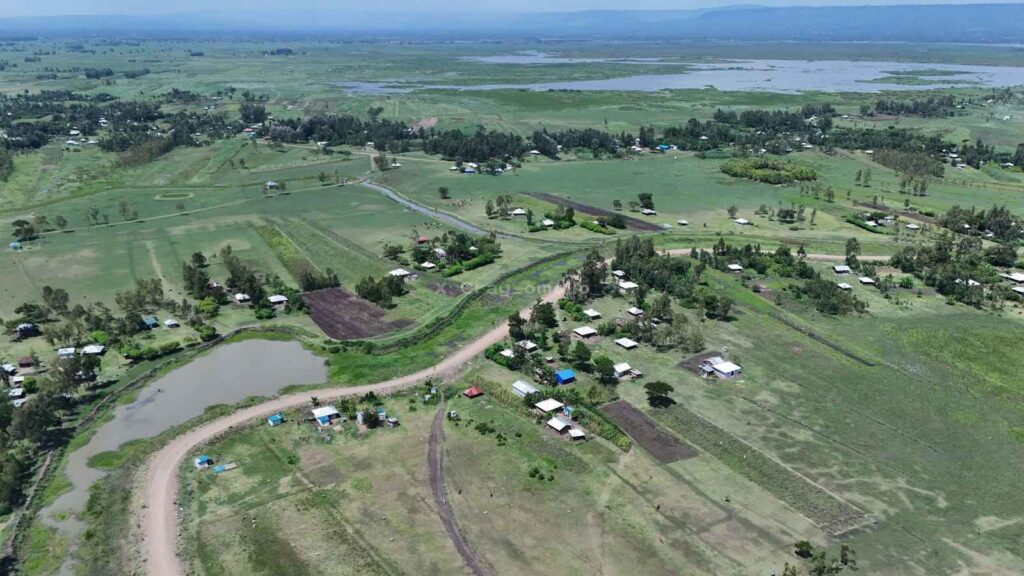
Supporting Communities to Rebuild and Thrive
Beyond agriculture, the project is enabling families that were previously displaced by floods to return home and rebuild permanent structures without fear of repeated destruction.
Several villages, including Kanduru, Kajowi, Wachiegwe and Karagwel, are already benefiting from enhanced protection measures that are safeguarding homes, schools, health facilities, roads, markets and places of worship.
To improve connectivity, the project has also delivered a community footbridge that allows residents to access essential services and economic opportunities throughout the year.
“This project is about more than flood control. It is about restoring dignity, improving access to services and creating an environment where communities can thrive and invest in their future,” Dr. Omollo said.
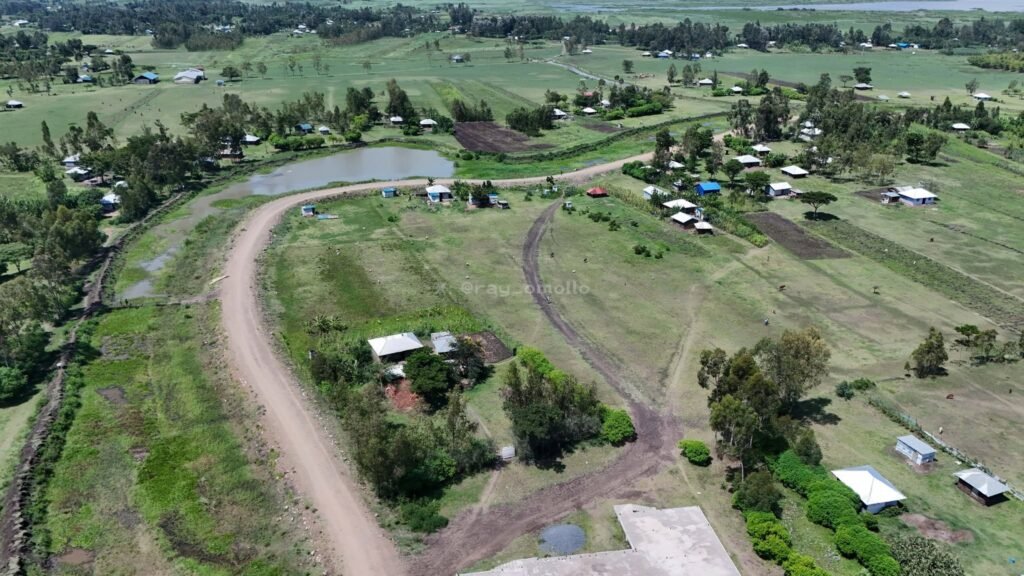
Strengthening the Lake Region’s Blue Economy
The West Kano–Kanyagwal Flood Control Project also complements broader infrastructure investments under the Lake Basin Blue Economy programme.
The initiative links directly with the upstream Lake Basin Development Authority (LBDA) dyke system and provides protection for strategic installations, including the Kabonyo-Kanyagwal Fisheries Centre, a key facility supporting fisheries development and research in the region.
Dr. Omollo said integrated infrastructure investments are helping unlock the economic potential of the Lake Region while enhancing environmental sustainability.
“By connecting flood control infrastructure with wider Blue Economy initiatives, we are creating a foundation for long-term economic growth, environmental conservation and improved livelihoods across the region,” he noted.
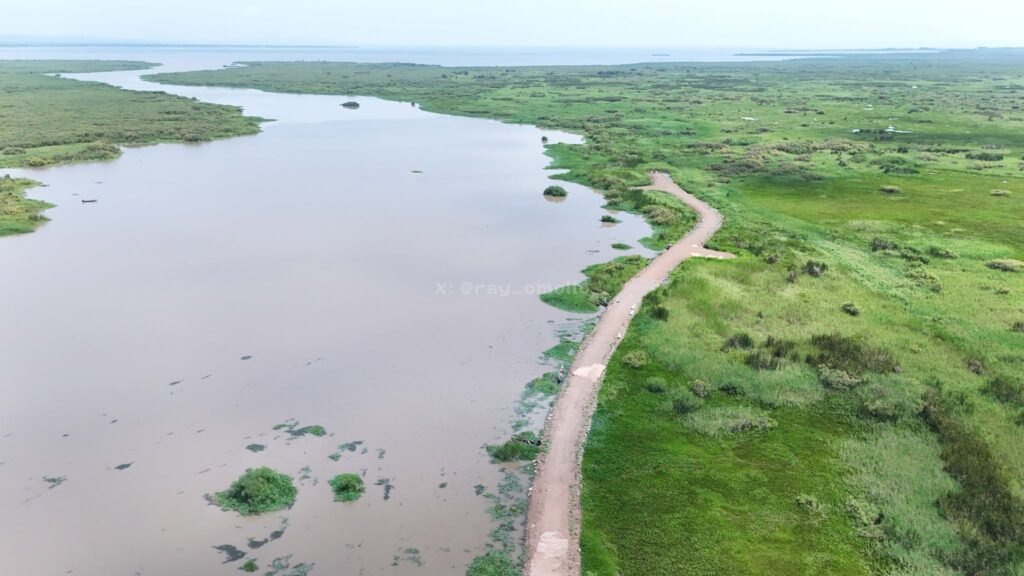
Government Enhances Disaster Preparedness Efforts
Alongside the infrastructure works, the State Department for Internal Security and National Administration continues to coordinate disaster preparedness programmes, community sensitisation campaigns and emergency response mechanisms in flood-prone areas.
The department is working closely with county governments, local leaders and national agencies to strengthen local capacity and improve resilience against future climate-related disasters.
“Infrastructure must be supported by strong preparedness systems. We remain committed to working with communities and stakeholders to strengthen disaster response mechanisms and ensure that residents are better protected from future emergencies,” Dr. Omollo said.
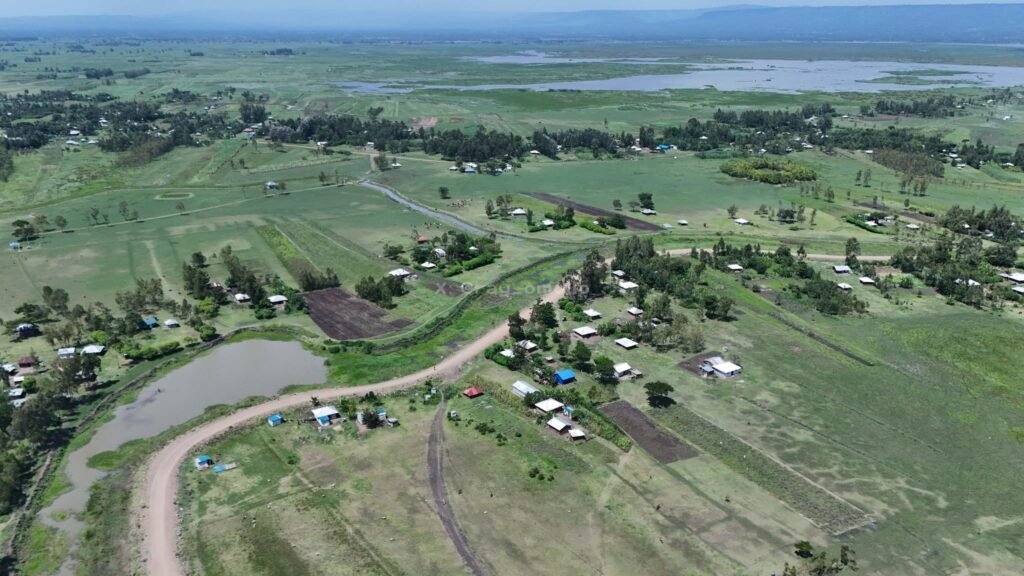
A New Chapter for the Kano Plains
As the project nears completion, residents across the Kano Plains are beginning to see the benefits of an intervention that promises to end decades of recurring losses and uncertainty.
For communities that have long lived under the shadow of seasonal floods, the West Kano–Kanyagwal Flood Control Project is emerging as a symbol of resilience, recovery and renewed hope.
“This project is proof that strategic investment in infrastructure can transform lives. We are determined to ensure that communities across the Kano Plains can live, farm and prosper without the constant threat of flooding,” Dr. Omollo concluded..