The year 2025 took from the nation a series of political figures whose careers ranged from grassroots representation to the highest echelons of national influence.
Some departed through natural causes others in violent attacks and accidents. Their deaths underline enduring questions about political succession stability public service risks and the toll of political life in Kenya.
The most consequential passing came in mid-October when Raila Odinga died aged 80 while receiving medical treatment in India.
The news of his death brought Kenya to a standstill, witnessing one of the largest single funeral Kenya has ever witnessed. Kenyans across all walks of life took to the streets to welcome his body, even breaching the Jomo Kenyatta International Airport, and filling his funeral venue to the brim.
Odinga was not just any politician. Known across the country simply as Baba he spent more than three decades at the centre of Kenyan politics shaping both opposition energy and national consensus.
He contested five presidential elections and was a cornerstone figure behind multiparty democract, the 2010 Kenyan constitution and electoral laws.
His influence cut across party lines and generations. Raila Odinga’s death leaves a leadership vacuum in the opposition camp with no obvious successor as the country gears up for the 2027 polls.
Long after his October burial, Odinga’s grave still receives hundreds of visitors who pay their last respects to the Enigma.
February was unexpectedly heavy with loss. William Kipkorir Cheptumo the senator for Baringo County died on 15 February after a short illness at Nairobi Hospital. A lawyer by training and seasoned legislator he was deeply involved in national security and foreign relations committees. His widow, Hanna Wendot Cheptumo was picked as Gender Cabinet Secretary.
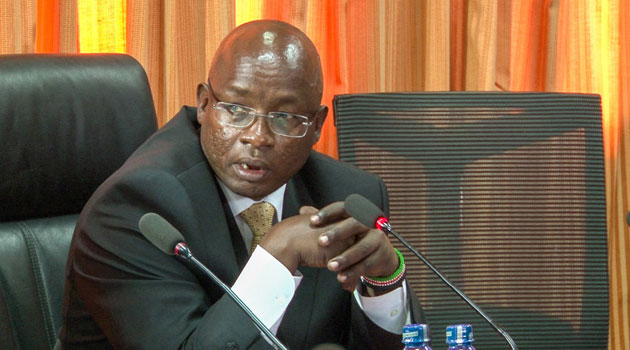
Malulu Injendi MP for Malava died the next day on 17 February after receiving medical care in Nairobi. He was serving his third consecutive term and was vice-chair of the National Assembly’s Committee on Education and Research. Tributes from colleagues acknowledged his steady legislative approach to constituency interests. His succession triggered a fierce by-election in which the President’s broad-based team emerged victorious over the Gachagua-led faction.
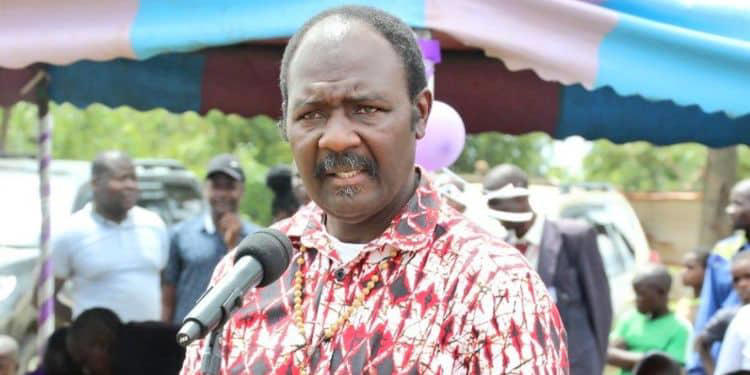
Wafula Chebukati the former chair of the Independent Electoral and Boundaries Commission died on 20 February while undergoing treatment in Nairobi. Chebukati had overseen two of Kenya’s most contentious elections and was a figure who frequently drew both criticism and praise for his stewardship of electoral processes.
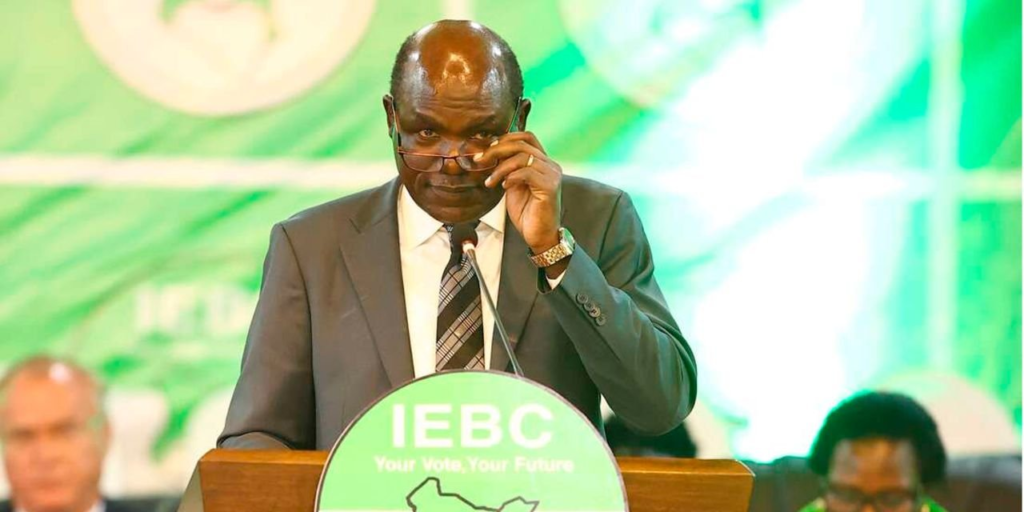
The violence that can shadow political life in Kenya appears in the death of Charles Ong’ondo Were the MP for Kasipul Constituency. On 30 April he was shot by unknown assailants along Ngong Road in Nairobi and later died of his injuries. The killing prompted widespread speculation and a police investigation into the motives.
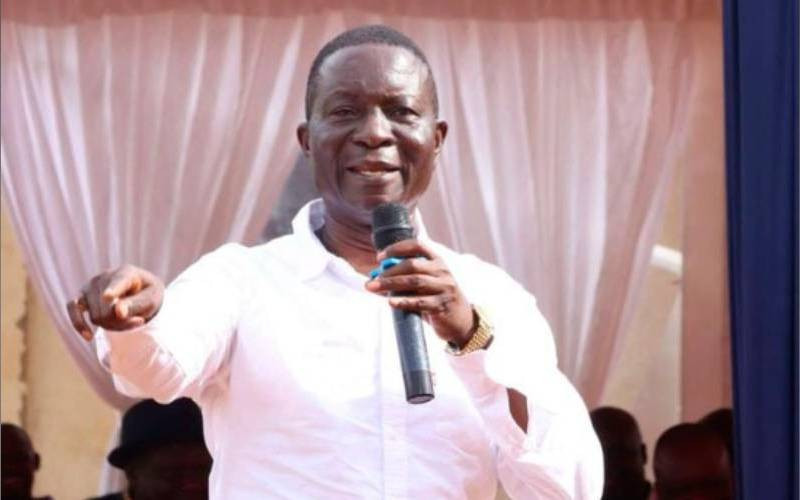
By late August Mathew Lempurkel the former MP for Laikipia North died in hospital from complications sustained in a road accident earlier that month. Known for championing pastoralist land rights his death was mourned across political divides.
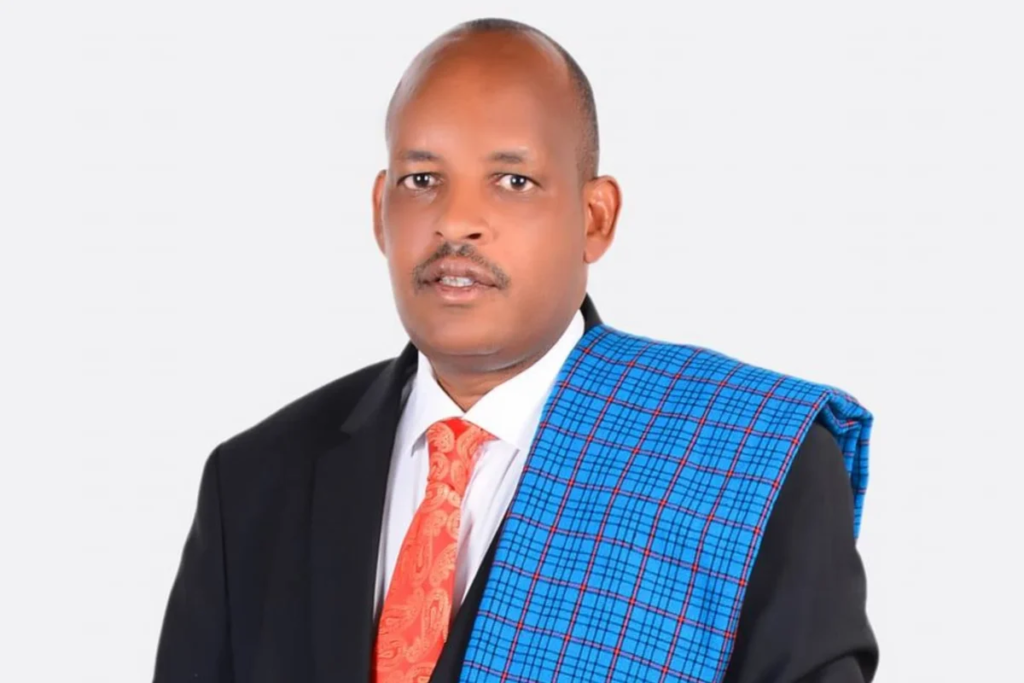
Another veteran figure Cyrus Jirongo died on 13 December in a road accident on the Nairobi-Nakuru Highway. A former MP for Lugari and one-time cabinet minister his death marked the end of a career that had been a fixture of Rift Valley politics since the early 1990s.
He was a fierce mobilizer for former President Daniel Arap Moi’s Youth for KANU, a 1992 movement that saved his election after the return of multi-party politics. He was at the time, a boss to the current President William Ruto, a then-Eldoret North legislator.
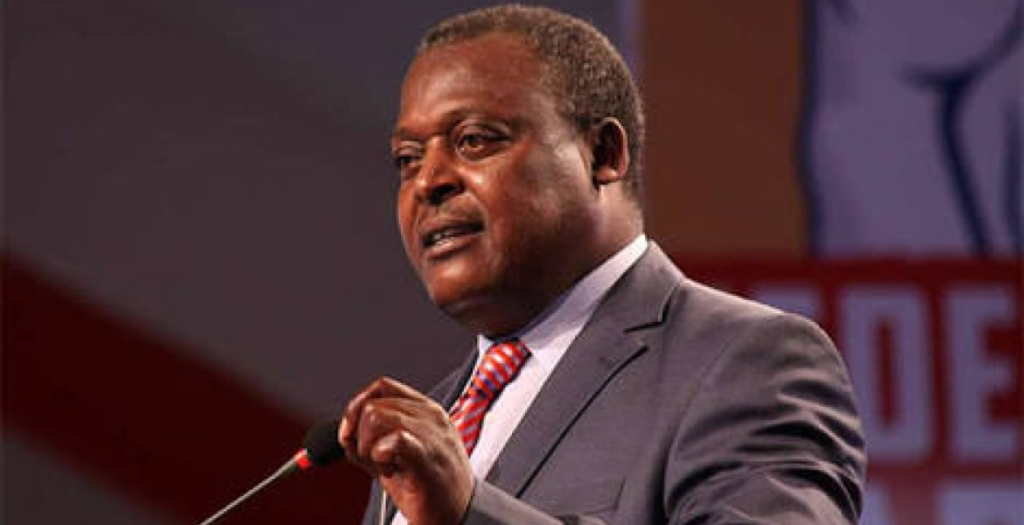
Beyond these nationally recognized names additional lawmakers died in 2025 including first-term MPs and former parliamentarians whose deaths received local but significant attention. Among them were Denar Joseph Hamisi a nominated MP killed in a road crash in early December and Mohamed Tubi Bidu the MP for Isiolo South who died in Nairobi after an extended illness.
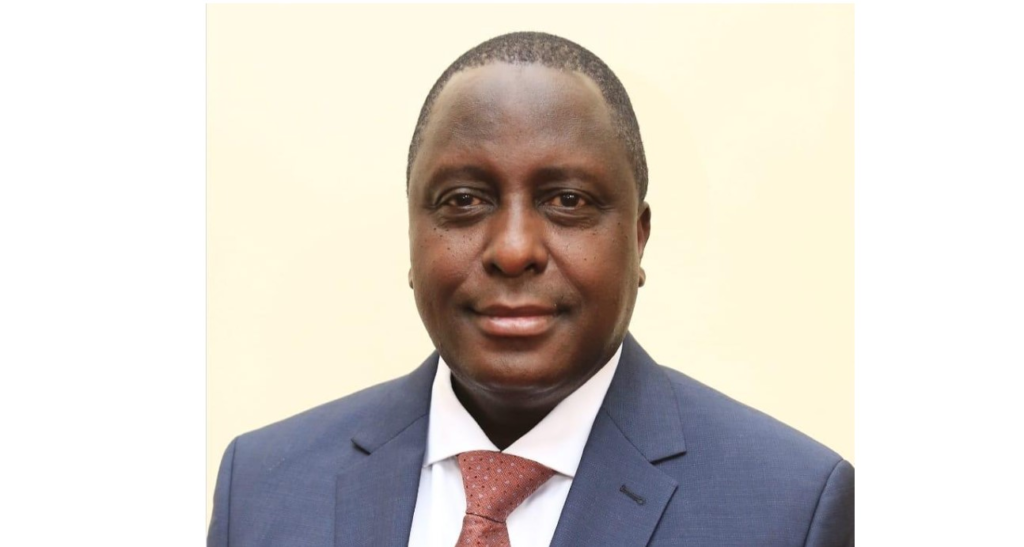
These deaths reveal more than demographic turnover. They expose vulnerabilities that come with public service in Kenya whether through health pressures the dangers of road travel or political violence.
For a country approaching what many expect to be a fiercely contested general election in 2027 the loss of experienced legislators and national figures raises questions about both leadership renewal and the robustness of political institutions.
The political landscape they leave behind is visibly altered. Some departures were anticipated others were abrupt either way they will shape debates long after 2025 fades from view.