By John Mutiso
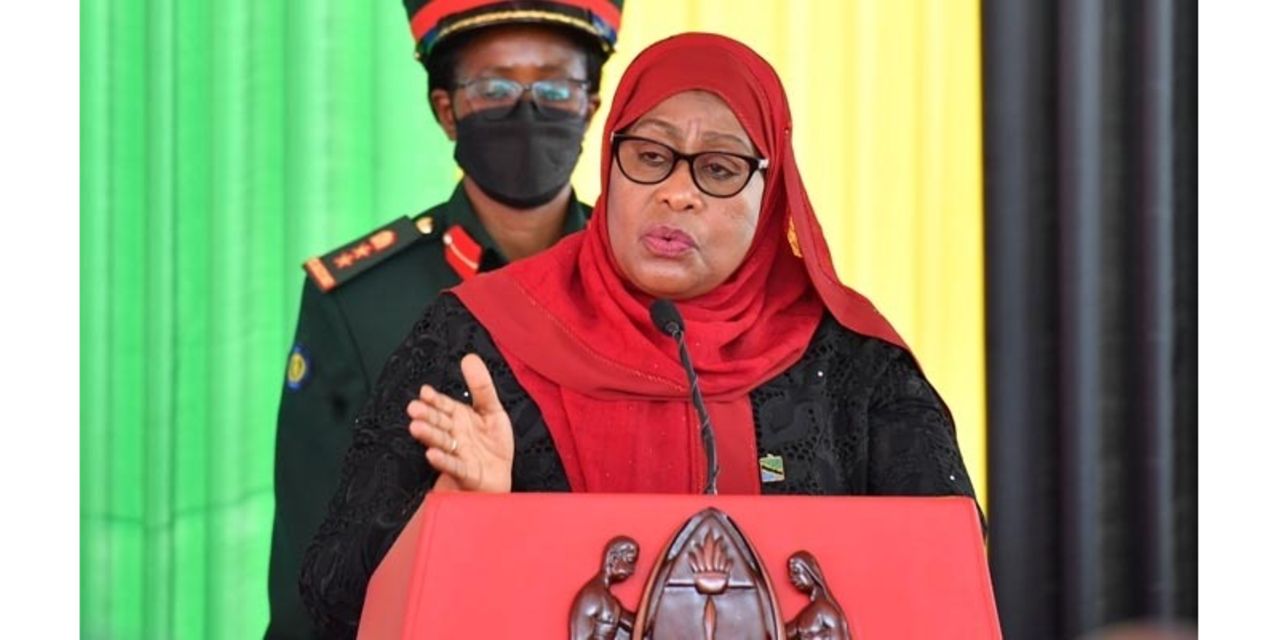
President Samia Suluhu Hassan has issued a strong warning following the unrest that occurred on election day, asserting that the disturbances were fueled by foreign actors’ intent on undermining Tanzania’s long-standing peace and destabilizing its governance.
In her remarks, President Samia said that certain outsiders “have been irritated by Tanzania’s stability,” accusing them of attempting “to destroy this country after destroying their own.”
She underscored that Tanzania has enjoyed many years of peace — a reality that, she noted, unsettles those who seek to disrupt it.
The President offered her condolences to the families who lost loved ones in the violence, emphasizing that “when one Tanzanian sheds blood, we all feel the pain.”
She observed that the disruptions — from stalled business activities to property destruction — illustrate the scale and intent behind the chaos.
Addressing videos circulating online, President Samia said the youths involved appeared to have been guided and coached, “repeating and singing exactly what happened in Madagascar, to make it happen here.” She described this as part of “a wide-ranging project” aimed at toppling the government.
The President questioned whether the events could truly be considered a protest, characterizing them instead as “orchestrated violence with specific objectives,” and noting the troubling timing of the unrest on election day.
“Why on the day of the election?” she asked, explaining that security forces applied force “proportionate to the situation.”
She criticised accusations of excessive force, saying that some people expected the government to “watch protesters who were ready to carry out a coup until they succeeded.”
Turning to the opposition, the President stated that they were not barred from participating in the election, but chose to withdraw for fear of embarrassment.
She claimed this decision contributed to the “excuses” that ultimately fueled the unrest. “Why during the election? What right is being demanded at that time?” she asked.
President Samia also claimed that the plan was orchestrated from outside the country, and that some Tanzanians were used due to financial constraints.
“The coordinators are funded from abroad,” she said, adding that many of those pushed into participating did not fully understand the broader objectives.
She also recalled her efforts between 2020 and 2023 to foster dialogue with the opposition, saying she extended “a hand of mercy” that was not properly received.
Addressing young people who were complaining about the cost of living, the President said, “If I could, I would send Tanzanian youths to different countries — even within Africa and in neighbouring states — to see what true hardship looks like, and then claim that Tanzania is a bad place.”
She condemned what she described as foreign arrogance in dictating how Tanzania should manage its internal affairs, saying some countries “think they are our masters, our colonizers,” which she insisted is unacceptable. “Who are you?” she asked emphatically.
Highlighting economic interests, President Samia said Tanzania is richly endowed — including rare minerals — making it an attractive target for foreign powers.
She noted that in the past, the country was overlooked because it was seen as poor, but now “they are drooling over our wealth.”
In her final appeal, the President called on Tanzanians to safeguard unity, peace, and national dignity. “It should not become a curse that we fight and kill each other,” she said. “Tanzania belongs to all of us, and we must protect it.”