The Judicial Service Commission (JSC) has declined to take action on a petition challenging the conduct of its Vice Chairperson, Isaac Rutto, saying the issues raised are already under consideration by the courts and Parliament.
In a letter dated February 4, 2026, addressed to Consumer Federation of Kenya (COFEK) Secretary General Stephen Mutoro, JSC Secretary Winfridah Mokaya said the Commission could not intervene because the matter was sub judice and subject to parallel constitutional processes.
“The Commission considered your referenced letter and, upon deliberation, noted that the matter is currently pending before a court of law and is therefore sub judice. The Commission further observed that a petition has been lodged with the National Assembly pursuant to the provisions of Article 251 of the Constitution, thereby placing the matter outside the purview of the Judicial Service Commission,” reads the letter.
The correspondence, copied to JSC Chairperson Chief Justice Martha Koome, followed a petition by COFEK urging the Commission to review the conduct of Rutto and Commissioner Omwanza Ombati. The federation argued that their actions could undermine public confidence in the JSC’s impartiality.
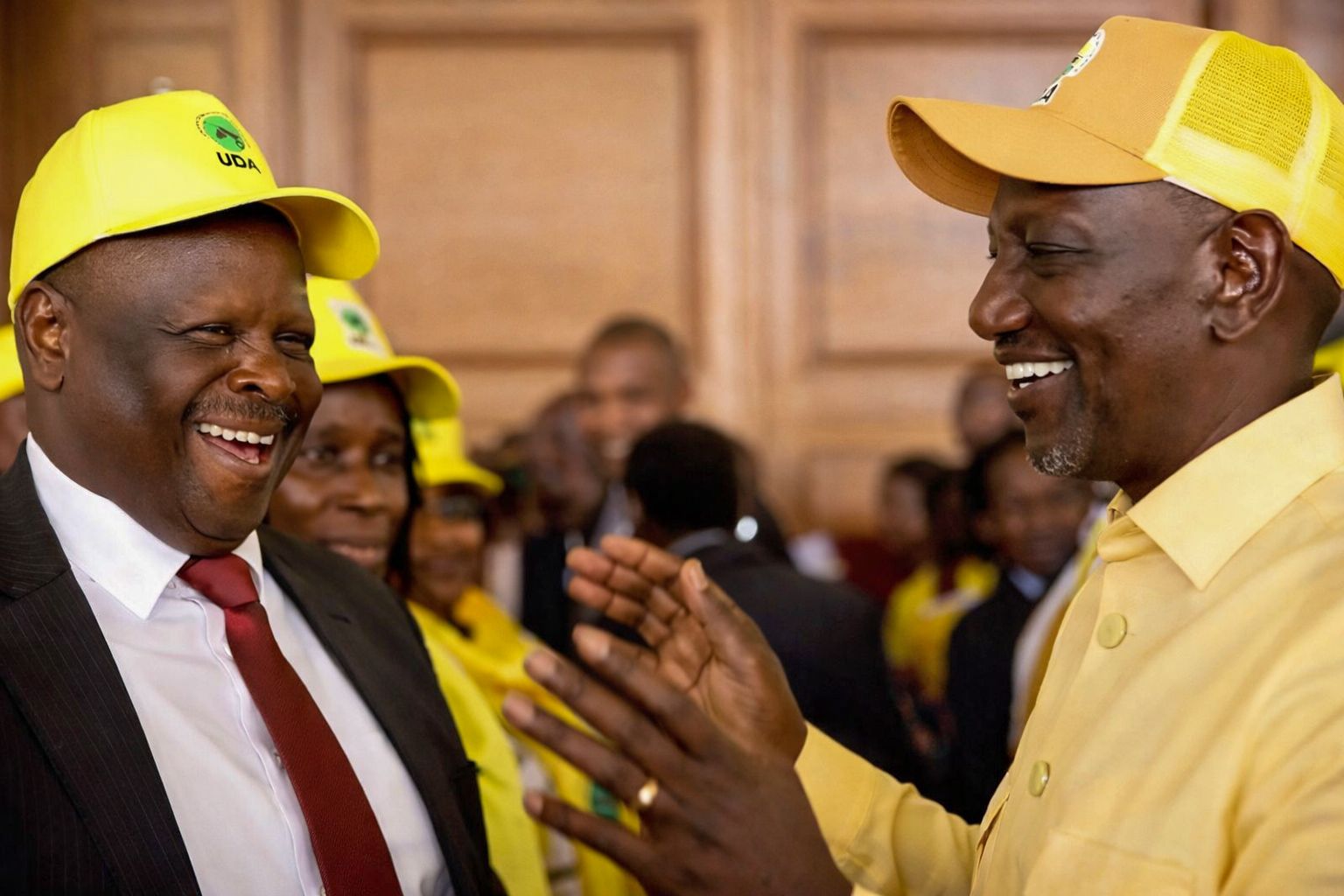
The complaint follows criticism over Rutto’s participation in United Democratic Alliance (UDA) political activities, including attendance at the party’s National Governing Council meeting at State House in Nairobi.
In its January 27, 2026 letter to the Chief Justice, COFEK raised concerns over what it described as possible breaches of constitutional and statutory standards governing state officers. It cited Rutto’s attendance at overtly partisan political events and alleged bias by Ombati during judicial interviews.
Rutto has attracted public scrutiny after attending a United Democratic Alliance (UDA) National Governing Council meeting at State House, Nairobi. The appearance reignited debate about the independence of the Judiciary and whether senior judicial officials should openly associate with political parties.
On social media, critics said the move crossed an ethical line, with some calling for Rutto’s resignation or constitutional safeguards to prevent similar situations. Others argued that constitutional principles require a JSC member to step aside if they intend to pursue political interests, particularly given the Commission’s role in interviewing judicial nominees.
In its submission, COFEK pointed to several legal provisions it said were potentially implicated, including Articles 10, 73, 75 and 232 of the Constitution, the Leadership and Integrity Act, 2012, and the Public Officer Ethics Act. It emphasised the JSC’s mandate under Article 172 to safeguard judicial independence.
“Given the central role of the JSC in safeguarding judicial independence under Article 172, even the appearance of partisan alignment by a Commissioner may undermine public confidence in the Commission’s impartiality. We, therefore, respectfully urge the Commission to consider whether this conduct falls below the constitutional threshold for a JSC member,” COFEK said.
The federation also raised concerns about Ombati’s conduct during interviews for Court of Appeal judges, citing claims that a sitting judge may have been treated unfairly due to a prior decision unfavourable to the commissioner.
“We have credible information suggesting that, during a recent interview process for Judges of the Court of Appeal, a candidate (who is a sitting Judge) may have been adversely treated in circumstances giving rise to a reasonable apprehension of bias, allegedly linked to a prior judicial decision unfavourable to Mr Ombati. We do not claim to represent that judicial officer, nor has a complaint been formally lodged with us by him; however, the integrity of the judicial appointments process is a matter of immense public interest,” COFEK said.