








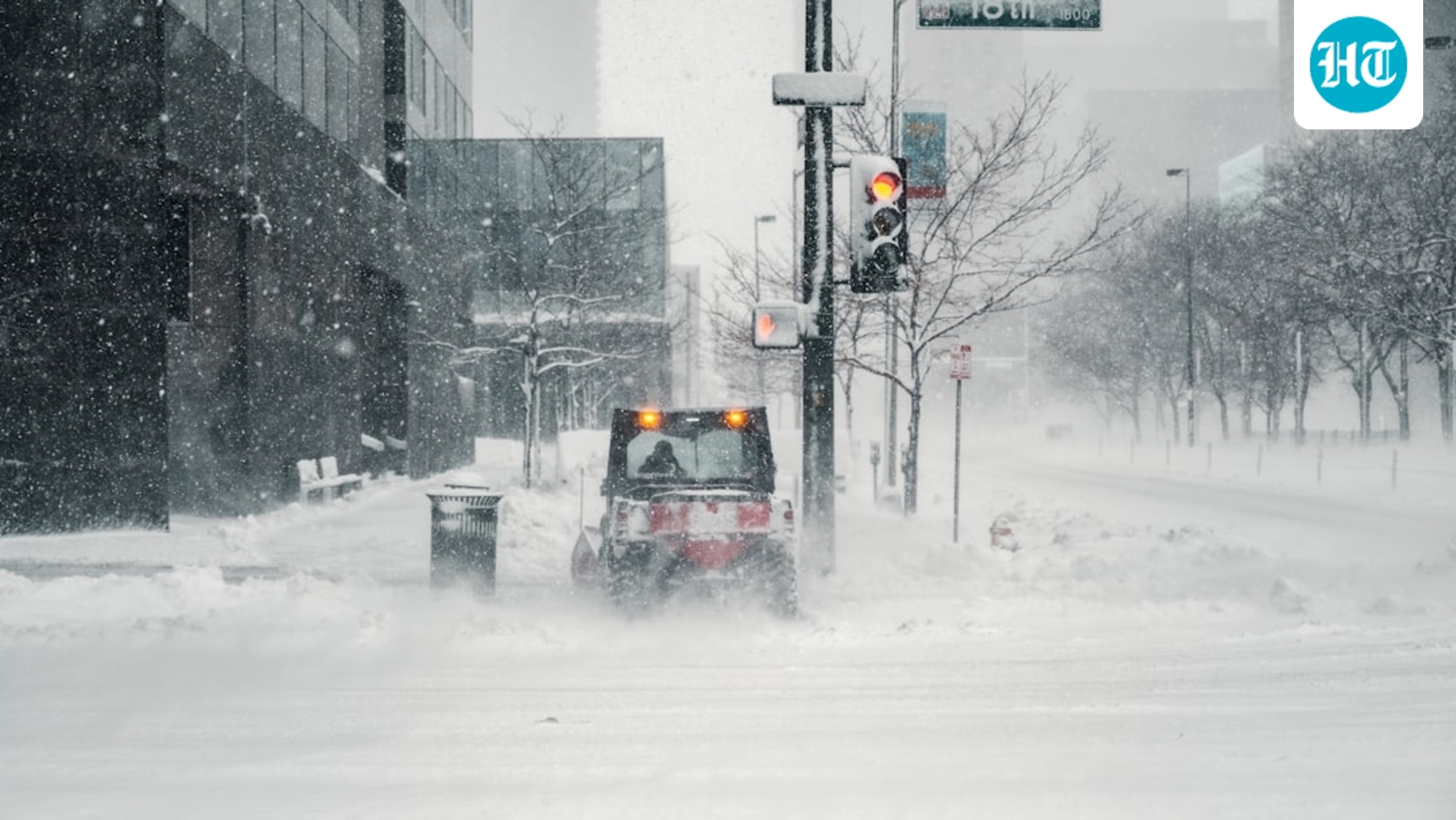
Winter Storm Ezra has intensified into a “bomb cyclone” on 29 December 2025, unleashing heavy snow, fierce winds, and blizzard conditions that have disrupted holiday travel and caused significant power outages across the Midwest, Great Lakes, and Northeast.
The rapidly strengthening system has brought whiteout conditions and life-threatening travel hazards to millions, with airlines having reported thousands of flight delays and cancellations during one of the busiest post-holiday periods.
As of late afternoon on 29 December, nearly 6,000 flights have been delayed and 751 have been cancelled, contributing to totals exceeding 30,000 delays and 3,600 cancellations since Friday, according to FlightAware.
AccuWeather meteorologists have warned that the powerful storm will intensify into a “bomb cyclone” through Monday night, bringing blizzard conditions, dangerous ice, flooding rain, and strong winds from Wisconsin to Maine. The term describes a storm with rapidly dropping atmospheric pressure, producing hurricane-force winds and heavy precipitation.
Power outages have mounted as gusts have reached up to 60 mph, affecting over 110,000 customers in Michigan and 35,000 in Ohio by midday Monday, per PowerOutage.us. In Minnesota, Governor Tim Walz has authorized the National Guard to assist emergency operations amid reports of hundreds of crashes and snow totals reaching up to 24 inches in parts of Michigan’s Upper Peninsula.
Brandon Buckingham, an AccuWeather meteorologist, has noted that “across the Midwest and Great Lakes through Monday, a powerful storm has taken shape.” Wind chills have plunged to minus 30 degrees Fahrenheit in North Dakota and northern Minnesota, raising risks of frostbite and hypothermia.
Airlines including American, United, JetBlue, and Delta have waived change fees for affected passengers, but interconnected operations have left aircraft and crews misplaced, prolonging recovery efforts. Major hubs have experienced ground stops, and travellers have encountered long waits and rebooking challenges.
The storm has followed unseasonably warm conditions, with temperatures dropping sharply by 30 to 40 degrees in many areas. It has marked a multi-hazard event, combining heavy snowfall, icing, and severe winds that have threatened tree damage and further disruptions.
These conditions have highlighted vulnerabilities during peak travel seasons, when limited flexibility has exacerbated delays. Safety officials have urged caution on roads, with whiteouts rendering visibility near zero in affected regions.
As the system moves eastward, attention has shifted to lingering outages, road clearances, and potential lake-effect snow into Tuesday. Airlines and authorities have continued monitoring for full recovery ahead of New Year’s celebrations, while residents have prepared for sustained cold.
By Were Kelly