By Andrew Kariuki
Women are more likely to be asked for sexual favours or give bribes in exchange for services in both public and private sectors, according to findings from the Kenya National Gender and Corruption Survey 2025.
The survey, conducted by the Ethics and Anti-Corruption Commission (EACC) and partner institutions, indicates that a significant number of women reported repeated demands for sexual favours over a 12-month period.
According to the report, 73% of women said they had been asked for sexual favours more than three times, while 76% reported three instances, 84% twice and 82% at least once.
The findings show that most interactions occurred within essential service sectors, including healthcare, where 44.5% of respondents engaged with doctors, nurses and midwives. Other sectors included education at 31.2%, police services at 15.2% and public utilities at 14.3%.
The survey further indicates that women were more than twice as likely as men to be asked for sexual favours in these settings.
In the private sector, 5.2% of respondents aged between 18 and 44 said they were required to provide sexual favours to access services, with 80% of those making such demands being men.
The report notes that cases of sextortion were recorded in employment, healthcare, education and insurance services, as well as in banking and surveying sectors.
In the public sector, 8 per cent of respondents reported being indirectly asked for sexual favours, while 2.1% said they were directly asked. Among these, 9.3% were women compared to 7.4%t men.
The survey also found that men are not exempt, with 18% reporting being asked for sexual favours once in the past year and 27% reporting at least three instances.
On bribery, 35.5% of respondents reported paying bribes to police officers, followed by civil registration officials (30%), National Transport and Safety Authority officers (25.4%), land registry officers (23.3%) and registration of persons officers (21.2%).
Women were more likely to report repeated bribe payments to tax and revenue officers (19.8%), immigration officers (12.7%) and health workers (6.7%), while men reported frequent payments to NTSA officers (12.6%), police (10.9%) and teachers or lecturers (4%).
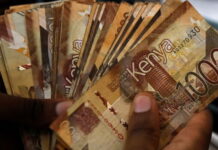
The highest average bribe was paid to court magistrates at Ksh164,367, while the lowest average was recorded among civil registration officials at Ksh1,415. Men paid a slightly higher average bribe of Ksh6,748 compared to women at Ksh6,702.
Regionally, the highest reported cases of bribery were recorded in Kakamega, West Pokot, Isiolo and Vihiga counties, while Nyamira, Kilifi and Baringo recorded the lowest.
The report recommends training public service supervisors on handling cases of sextortion, strengthening disciplinary procedures and linking victims to support services, including counselling and legal assistance.
It also calls for gender-responsive anti-corruption strategies and greater inclusion of women in leadership and decision-making roles to address vulnerabilities linked to corruption.
The survey was conducted jointly by EACC, the United Nations Office on Drugs and Crime (UNODC), the Kenya National Bureau of Statistics (KNBS), the National Gender and Equality Commission (NGEC) and Transparency International Kenya, covering 16,858 respondents across all 47 counties.