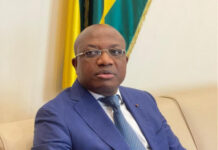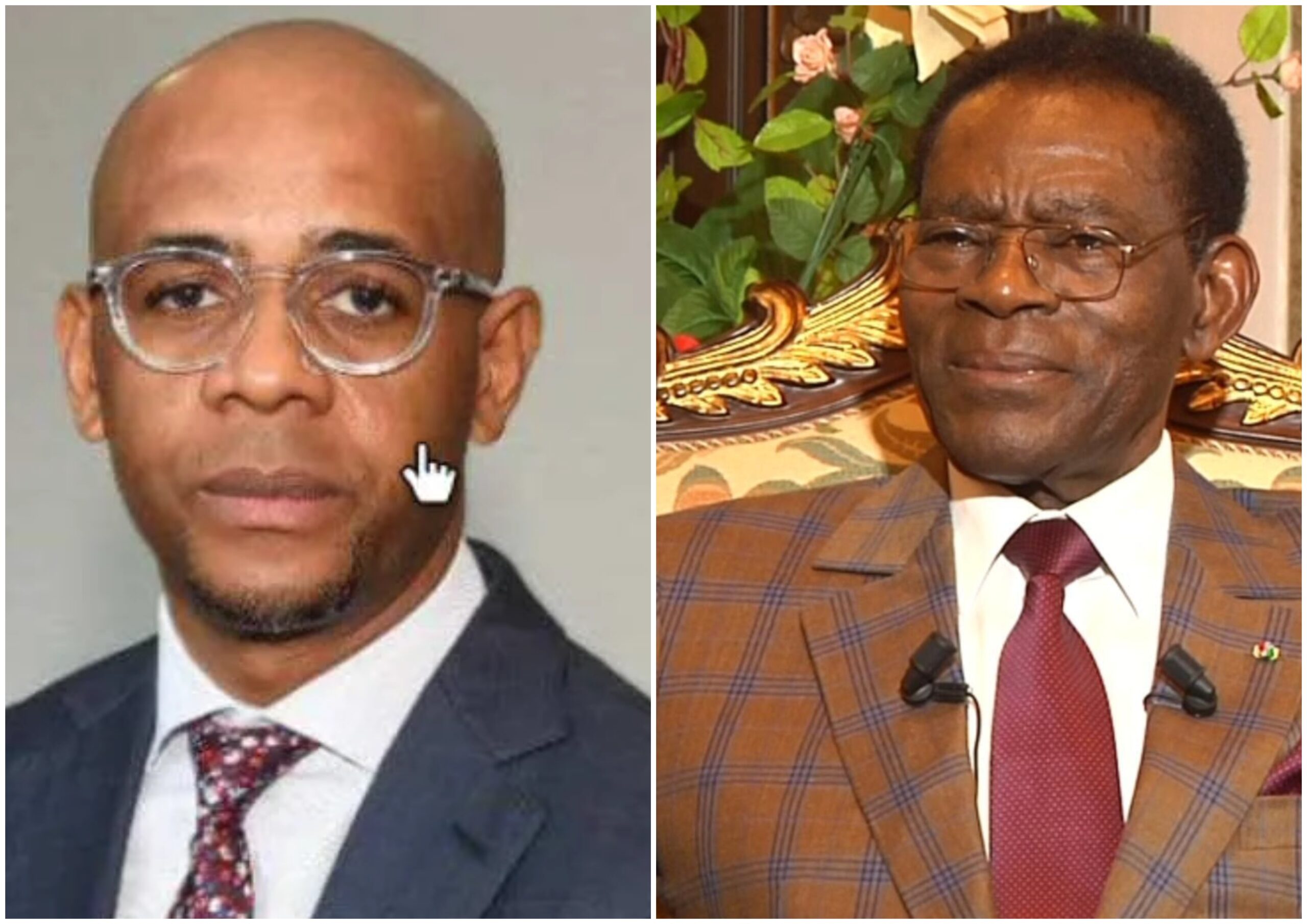
The recent leaks of explicit videos involving Baltasar Ebang Mr Engonga—a senior civil servant and nephew of President Teodoro Obiang Nguema—have sent shockwaves not only through Equatorial Guinea but across the globe.
With estimates of over 150 to 400 videos circulating on social media, a scandal that might appear sensational on the surface is, in actuality, a reflection of the deeper political machinations at play in one of Africa’s most secretive regimes.
President Obiang, who has held power since 1979—making him the world’s longest-serving head of state—oversees a nation grappling with a legacy of economic decline.
While a small elite has amassed wealth, the majority of Equatorial Guinea’s 1.7 million citizens live in poverty. Human rights abuses, including arbitrary arrests and torture, are rampant, earning the regime pointed criticism from international organizations.
As Mr Engonga finds himself at the center of the scandal, having previously headed the National Financial Investigation Agency, accusations of embezzlement have surfaced, claiming he siphoned large sums into offshore accounts.
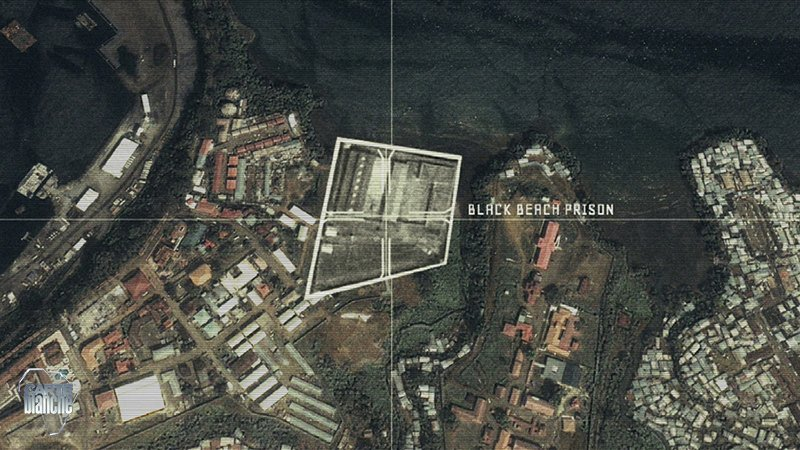
His subsequent incarceration in the notorious Black Beach prison raises questions about the nature of the leaks, which some believe were strategically timed to tarnish his reputation and eliminate a potential rival in the eyes of the vice president, Teodoro Obiang Mangue.
The vice president, infamous for his ostentatious lifestyle—once owning a crystal-covered glove that belonged to Michael Jackson—appears to be consolidating power amid whispers of a succession crisis.
Many observers are now questioning whether this scandal serves as a calculated political move to discredit figures like Mr Engonga who might threaten Mangue’s path to the presidency. The ongoing turf war among the president’s sons and close aides suggests a dangerous game of political chess within the ruling elite.
The government’s swift response to the emergence of the videos—lashing out at telecom companies to stop their circulation—speaks volumes about the regime’s apprehension over accepting any form of dissent, especially tied to their personal lives.
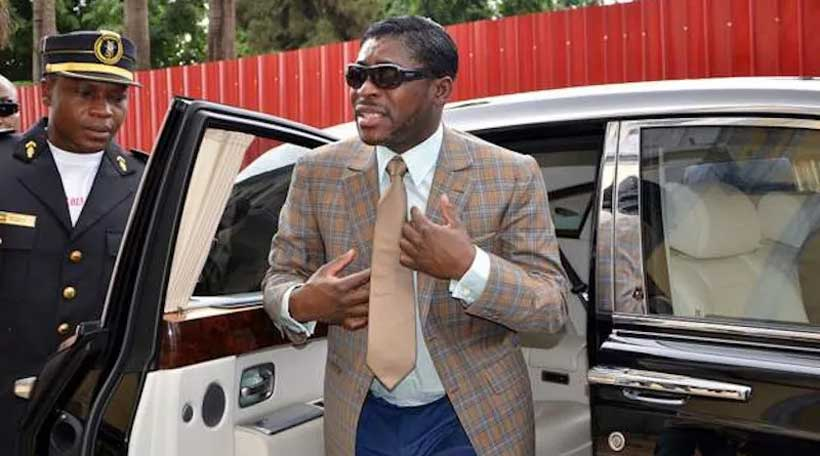
Vice President Mangue’s proposed solution of installing CCTV cameras in government offices further highlights a desire to control the narrative rather than address the more systemic issues plaguing Equatorial Guinea.
Yet, beneath the scandal lies a critical truth: the revelations will likely impact a society where corruption and abuse of power are woven into the fabric of governance.
Activists contend that the sex scandal is merely a symptom of a much larger malaise—a stagnant political system desperately needing reform, transparency, and accountability.
For the citizens of Equatorial Guinea, who have been denied the voice and agency to challenge their leaders, the sex scandal represents not just a moment of entertainment, but a stark reminder of the entrenched rot at the heart of their governance.
While some may revel in the spectacle and scandal of Mr Engonga’s fallout, the real issue is whether this political turmoil can pave the way for meaningful change in a nation long shackled to corruption and oppression.