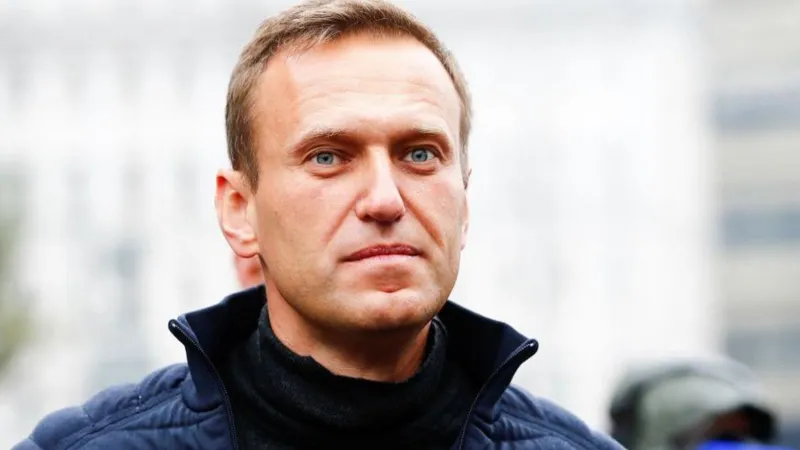
Russian opposition leader Alexei Navalny was killed using a poison developed from a dart frog toxin, the UK and European allies have said.
Two years on from the death of Navalny at a Siberian penal colony, Britain and its allies have blamed the Kremlin following analysis of material samples found on his body.
There is no innocent explanation for the toxin, called epibatidine, being found in samples taken from Navalny’s body, the UK Foreign Office said.
Speaking from the Munich Security Conference, Foreign Secretary Yvette Cooper said: “Only the Russian government had the means, motive and opportunity to deploy this lethal toxin against Alexei Navalny during his imprisonment in Russia.”
While Cooper announced the findings, a joint statement was issued by the UK, Sweden, France, Germany and the Netherlands.
Cooper met with Navalny’s widow Yulia Navalnaya at the conference this weekend.
“Russia saw Navalny as a threat,” Cooper said at the event.
“By using this form of poison the Russian state demonstrated the despicable tools it has at its disposal and the overwhelming fear it has of political opposition,” she added.
In the statement the allies said: “Only the Russian state had the means, motive and opportunity to deploy this lethal toxin to target Navalny during his imprisonment in a Russian penal colony in Siberia, and we hold it responsible for his death.
“Epibatidine can be found naturally in dart frogs in the wild in South America. Dart frogs in captivity do not produce this toxin and it is not found naturally in Russia.
“There is no innocent explanation for its presence in Navalny’s body.”
The Foreign Office said the UK has informed the Organisation on the Prohibition of Chemical Weapons of Russia’s alleged breach of the Chemical Weapons Convention.
French Foreign Minister Jean-Noël Barrot said his country “pays tribute” to Navalny, who he said was “killed for his fight in favour of a free and democratic Russia”.
Navalny – an anti-corruption campaigner and Russia’s most vociferous opposition leader – died suddenly in jail on 16 February 2024 at the age of 47.
In 2020 he was poisoned with a Novichok nerve agent. He underwent treatment in Germany, and was arrested at the airport upon his return to Russia.