By Andrew Kariuki
Dennis Nthumbi, Dennis Owuor Ochanda and Henry Barasa Tom have filed a petition at the High Court seeking to stop the use and enforcement of halal certification marks on meat products, arguing that the current system lacks a clear legal foundation.
In the urgent constitutional application, the three petitioners want the court to declare the existing halal certification framework unlawful unless it is expressly provided for in statute.
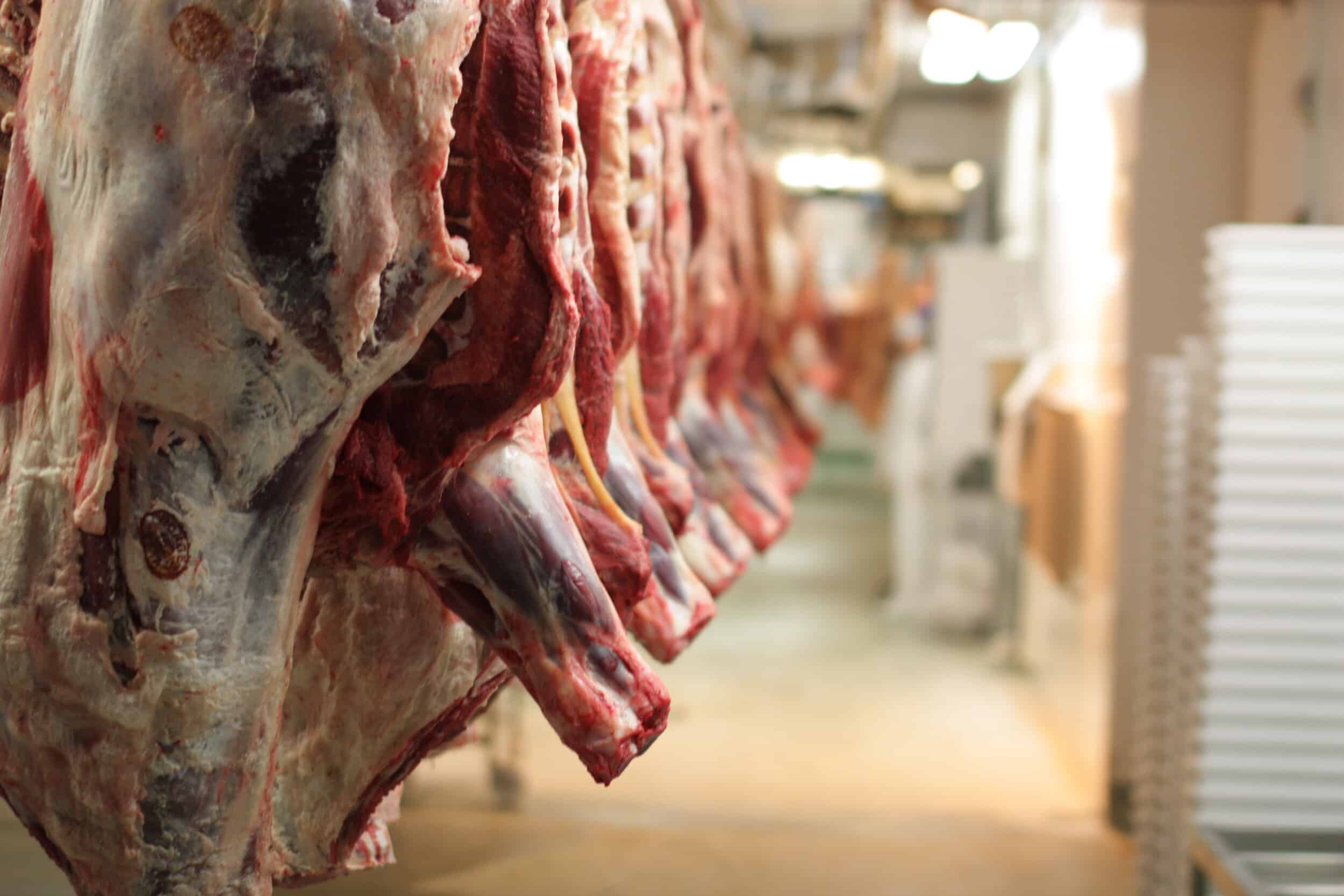
They argue that halal certification, largely administered by private entities, has become entrenched across the meat supply chain, from slaughterhouses to retail outlets, effectively influencing who can participate in the market.
According to the petition, the widespread use of halal marks raises consumer protection concerns, particularly around access to information, pricing transparency and fair administrative action.
The petitioners contend that many consumers are not adequately informed about what the certification entails or whether its associated costs are ultimately reflected in the price of meat products.
They further argue that functions such as meat inspection and public health oversight are legally mandated to government agencies, warning that the increasing role of private certification bodies risks creating regulatory overlap and weakening accountability.
In their application, the trio is seeking conservatory orders to bar authorities from enforcing or permitting certification on meat products where such certification is not grounded in written law.
They are also asking the court to compel relevant state agencies to disclose the legal basis, applicable standards and cost implications of halal certification within the country’s meat industry.
While clarifying that they are not opposed to religious dietary practices, the petitioners maintain that the case is focused on legality, transparency and proper regulation of certification systems in the food sector.