By Bonface Mulyungi
Autopsy results have revealed that 26-year-old Joseph Kamau from Majengo area in Nyeri died from a single gunshot wound to the head.
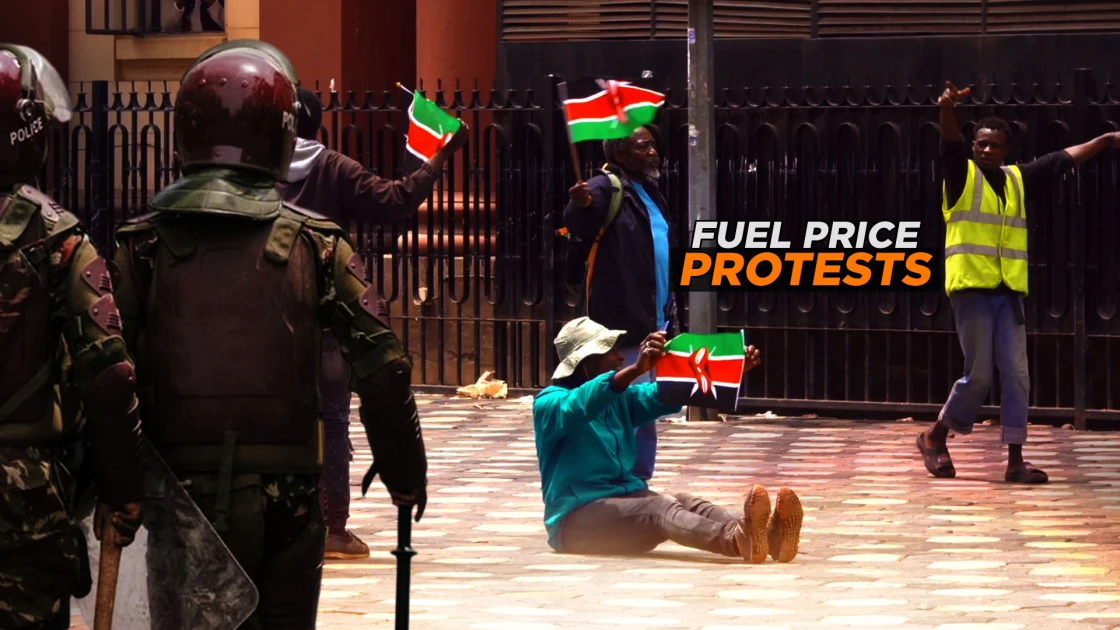
The family of the young man, who was shot on May 24, 2026, during the anti-fuel protests that rocked the town, is now demanding justice, insisting that he was not part of the demonstrations.
According to the family, Kamau was guarding his employer’s shop from looters when he was shot.
After nearly two hours of waiting at the Nyeri County Referral Hospital mortuary, the family was informed that their kin died from a gunshot wound, adding his name to a growing list of Kenyans who have lost their lives during protests.
“The gunshot entry point was the left upper forehead, and the exit point was at the back of the head,” stated Murang’u Wahome, the family’s lawyer.
Moses Kariuki, Kamau’s uncle, said the postmortem had cleared any doubts about the cause of death.
“There were doubts and questions as to whether he had been hit by stones or died through some other means. We have now confirmed that he was shot, and we will pursue justice for this young man,” stated Kariuki.
The family is now calling for the identification and interdiction of the police officer responsible for the shooting.
“He was a young man of 26 years. He was not married, he had no issues with anyone and he was not part of the demonstrations. We are appealing to Inspector General Douglas Kanja to ensure we get justice for this child and that we know who shot him,” stated Kariuki.
Human rights activists also condemned the killing and called for accountability.
“This is impunity, and when impunity is left unchallenged, it becomes bolder. We demand justice for the people who lost their lives during the fuel protests,” stated Stacey Akinyi of Vocal Africa.
As Kamau’s family seeks justice, a similar struggle continues for approximately 1,800 victims of previous protests who were promised compensation by the government.
According to the Kenya National Commission on Human Rights (KNCHR), the identification of victims has been completed, but compensation funds are yet to be released.
“The President announced that there was Ksh.2 billion, and we want to tell the public that KNCHR does not have this money. Our role is not to pay compensation. Our role is to develop the framework, and we have completed our report and submitted it to the Executive,” stated Prof. Marion Mutugi, KNCHR Commissioner.
The commission is urging the government to strengthen the protection of human rights and ensure that the list of victims does not continue to grow whenever protests occur.
“We recognize that no amount of money can compensate for the loss of life or injury, but compensation can help wipe away some of the tears. However, it should not become acceptable to harm people and then simply compensate them afterwards,” stated Prof. Mutugi.
KNCHR is also advocating for both physical and psychological rehabilitation for victims, as well as measures to help them rebuild their lives following such incidents.