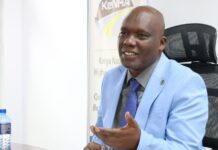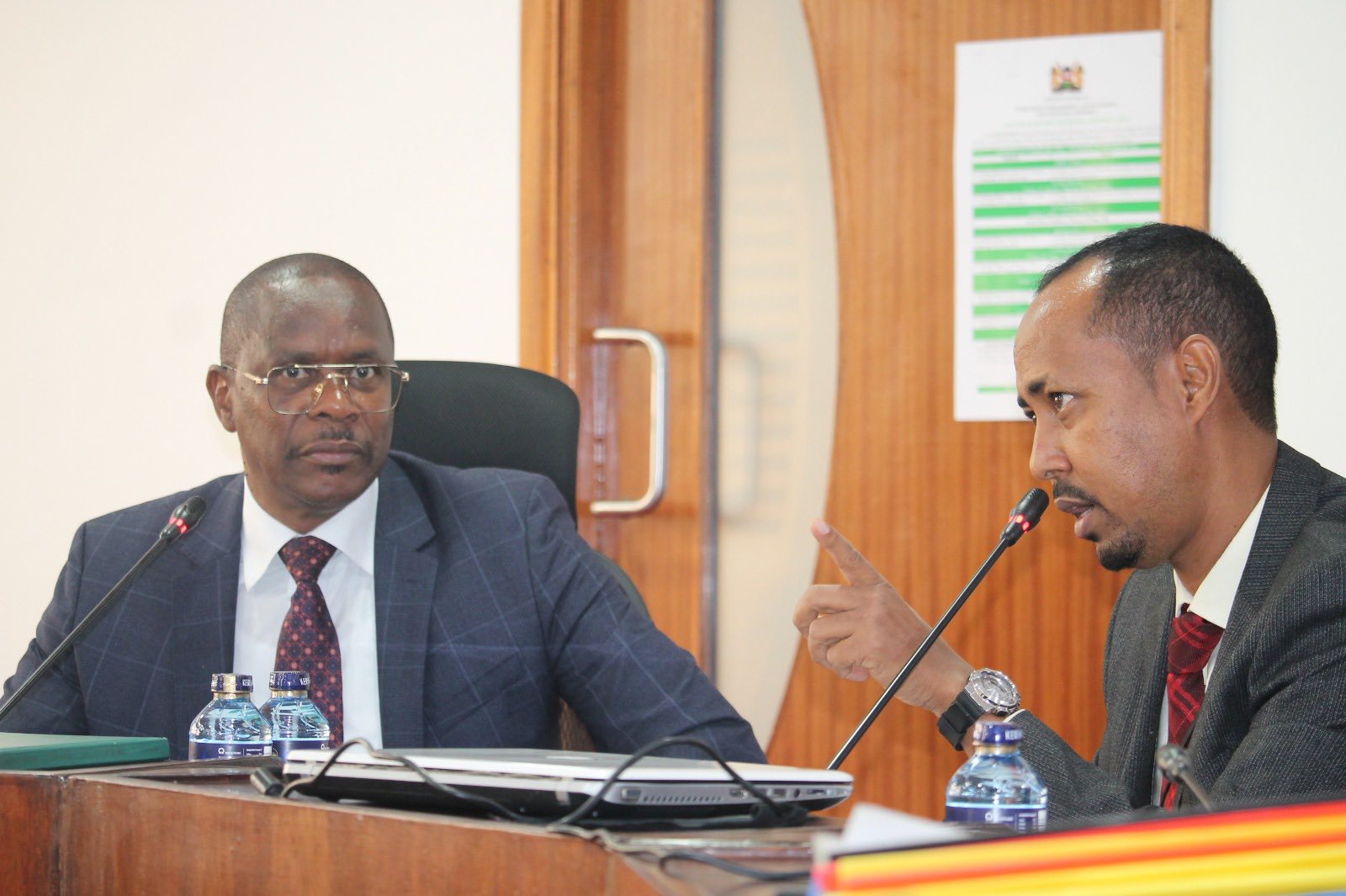
Cabinet Secretary for Roads and Transport, Davis Chirchir, on Tuesday appeared before the National Assembly’s Departmental Committee on Transport and Infrastructure chaired by Ndia Member of parliament Hon. George Kariuki, to present and defend the Supplementary Estimates No. I for the Financial Year 2025/26, outlining increased allocations and ongoing reforms in the sector.
During his presentation, CS Chirchir revealed that the State Department for Roads is proposing a revised budget of KES 245 billion, up from the printed allocation of KES 221.8 billion, marking a gross increase of KES 23.8 billion.
He explained that the development budget increment is largely driven by KES 17.1 billion in development partner financing and KES 5.9 billion from the Exchequer.
A key highlight of the meeting was the progress of the roads sector securitization programme. In this regard, CS Chirchir reported that the securitization of KES 7.00 from the fuel levy commenced in February 2025 and as at 31st December 2025 pending bills amounting to KES.126 billion out of KES 173 billion pending bills as at 31st December 2024 had been settled through the utilisation of the Bridge facility under the securitization of KES 7.0 Per Litre.
An additional KES 5 per litre is projected to generate KES 120 billion over two financial years for ongoing projects.
He attributed improved project delivery to enhanced payment certainty, alongside additional financing from initiatives such as the Horn of Africa Gateway Development Project and loans from the China Development Bank.
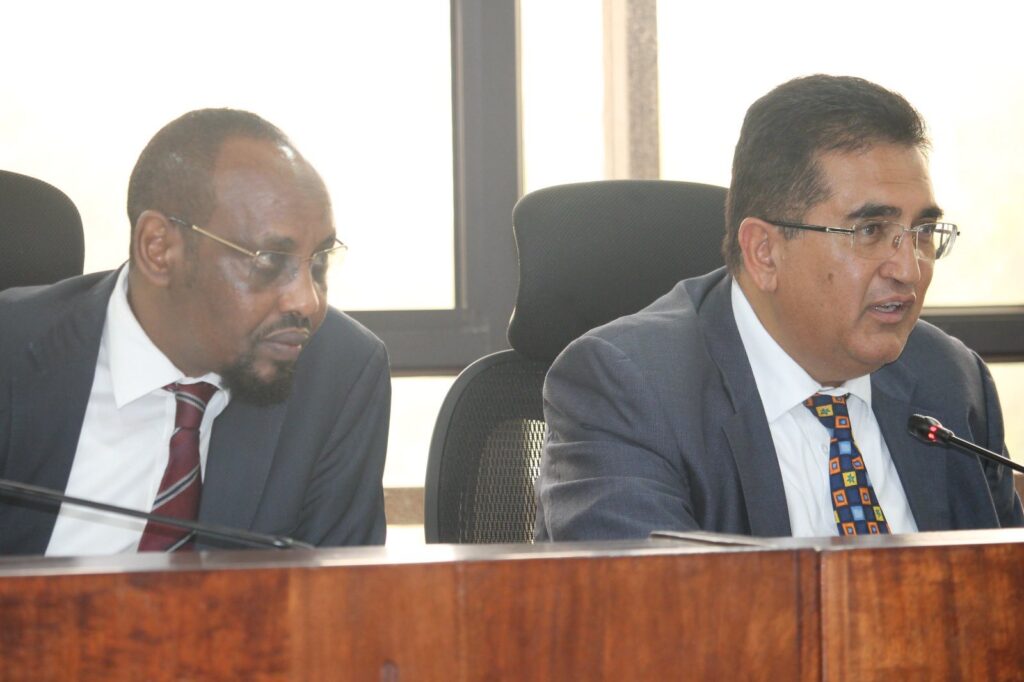
Despite the increase, Chirchir acknowledged ongoing funding challenges.
“The State Department for Roads received only 60 per cent of its expected Exchequer funding in the first half of the financial year, creating a KES 15 billion shortfall”, the CS noted.
However, an additional KES 23 billion was disbursed on March 12, 2026, bringing total Exchequer funding to KES 44 billion—still below the full-year allocation of KES 70.6 billion, leaving a KES 26 billion gap to be filled by June 30, 2026.
CA Chirchir also urged lawmakers to approve the reallocation of KES 208 million toward Intelligent Transport System (ITS) projects being implemented by the Kenya Urban Roads Authority (KURA).
The projects, including the Nairobi ITS Establishment and Junction Improvement initiative, face budget constraints despite financing from the Korea Exim Bank and the Export-Import Bank of China. The CS warned that delays could affect loan disbursement timelines and overall project completion.
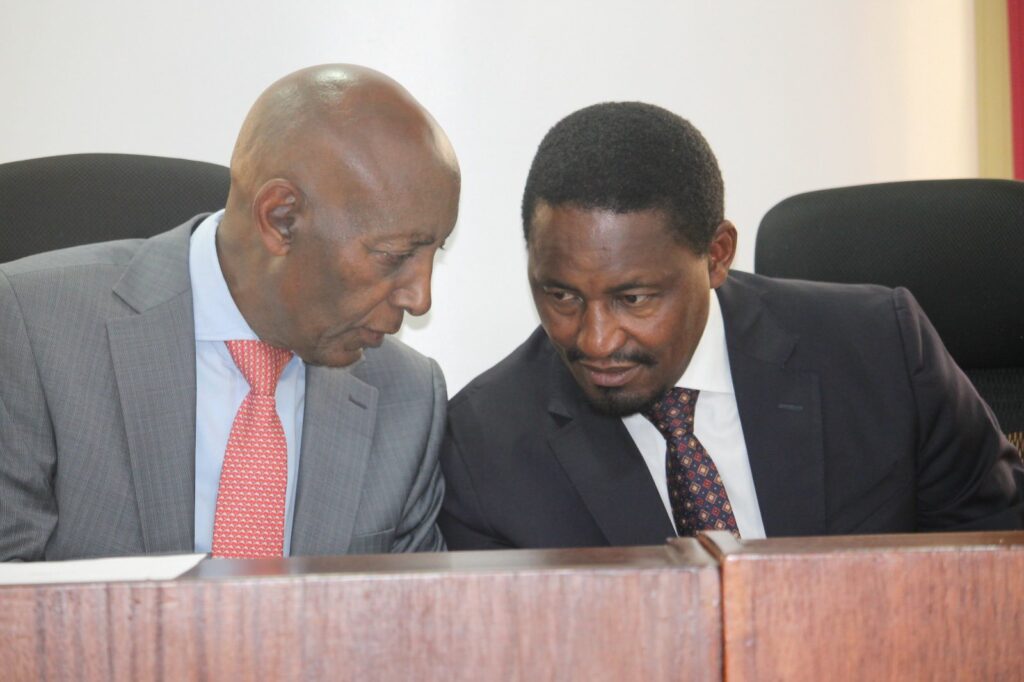
Meanwhile, the State Department for Transport’s budget is set to increase from KES 47.5 billion to KES 68.3 billion, a KES 20.9 billion rise. Principal Secretary Mohammed Dagar attributed the increase to: KES 6.3 billion for the Dongo Kundu Project, KES 12.87 billion for Railway Levy Development Fund projects and additional foreign financing for railway equipment and capacity building
However, the Department still requires KES 6.64 billion, largely from donor funding.
During the meeting, Committee Members questioned the ministry on instant traffic fines, with CS Chirchir clarifying that all proceeds are remitted directly to the National Exchequer.
Concerns were also raised over ferry safety following viral social media footage suggesting negligence. In response, CS Chirchir announced the formation of a special oversight team led by Captain William Ruto of the Kenya Ports Authority.
The CS said reforms would include : Introduction of structured queuing systems, designated holding areas, and diversion of vehicles to the Likoni floating bridge
At the same time, the State Department for Aviation and Aerospace Development proposed a revised budget of KES 14.9 billion, up from KES 14.5 billion, reflecting a KES 422 million increase.
The funds will support, recurrent expenditures, including personnel and donor-funded airstrip projects and, the development of five new airstrips to boost connectivity, security, and regional growth
In his concluding remarks, CS Chirchir reaffirmed the Ministry’s commitment to delivering a modern, efficient, and sustainable transport system capable of supporting Kenya’s growing economy.
He thanked the Transport Committee for its oversight role and expressed optimism about continued collaboration to ensure adequate funding and successful implementation of key infrastructure projects.
By Anthony Solly